
Table 1: Article Outline
Table of Contents
| Heading Level | Title |
|---|---|
| H1 | Zari Topi of Kashi Naresh: A Royal Legacy of Banaras |
| H2 | Introduction to Zari Topi |
| H2 | Who Was Kashi Naresh Maharaja Vibhuti Narayan Singh? |
| H3 | A Glimpse into the Royal Life |
| H3 | His Contribution to Culture and Religion |
| H2 | What Is Zari? |
| H3 | Origins of Zari Work |
| H3 | The Persian Influence |
| H2 | Banaras: The Heartland of Zari Craftsmanship |
| H3 | Why Banaras Became the Zari Capital |
| H3 | Zari Artisans and Their Techniques |
| H2 | The Making of a Zari Topi |
| H3 | Materials Used: Silk, Velvet, and More |
| H3 | Embroidery Techniques Involved |
| H3 | Embellishments: Pearls, Stones, and Gold Threads |
| H2 | The Symbolism of the Zari Topi |
| H3 | Beyond Fashion: A Royal Statement |
| H3 | Spiritual and Cultural Significance |
| H2 | Zari in Royal Attire Through the Ages |
| H3 | Mughal Era to Modern Times |
| H3 | Time and Value: Months of Work and Lakhs of Rupees |
| H2 | Zari Today: Evolving Yet Rooted in Tradition |
| H3 | Modern Adaptations in Fashion |
| H3 | Global Demand for Zari Work |
| H2 | Kashi Naresh and His Vision for Varanasi |
| H3 | The Dream of a Free City |
| H3 | Steward of Kashi Vishwanath Temple |
| H2 | Conclusion |
| H2 | FAQs |

Table 2: SEO Article
Zari Topi of Kashi Naresh: A Royal Legacy of Banaras
Introduction to Zari Topi
Have you ever seen a royal headgear so rich and dazzling that it tells a story just by existing? Welcome to the world of the Zari Topi of Kashi Naresh — a handcrafted piece of royalty, tradition, and cultural pride that goes far beyond fashion. This intricate cap, shimmering with gold and silver threads, isn’t just an accessory—it’s a legacy stitched into time.
Who Was Kashi Naresh Maharaja Vibhuti Narayan Singh?
A Glimpse into the Royal Life
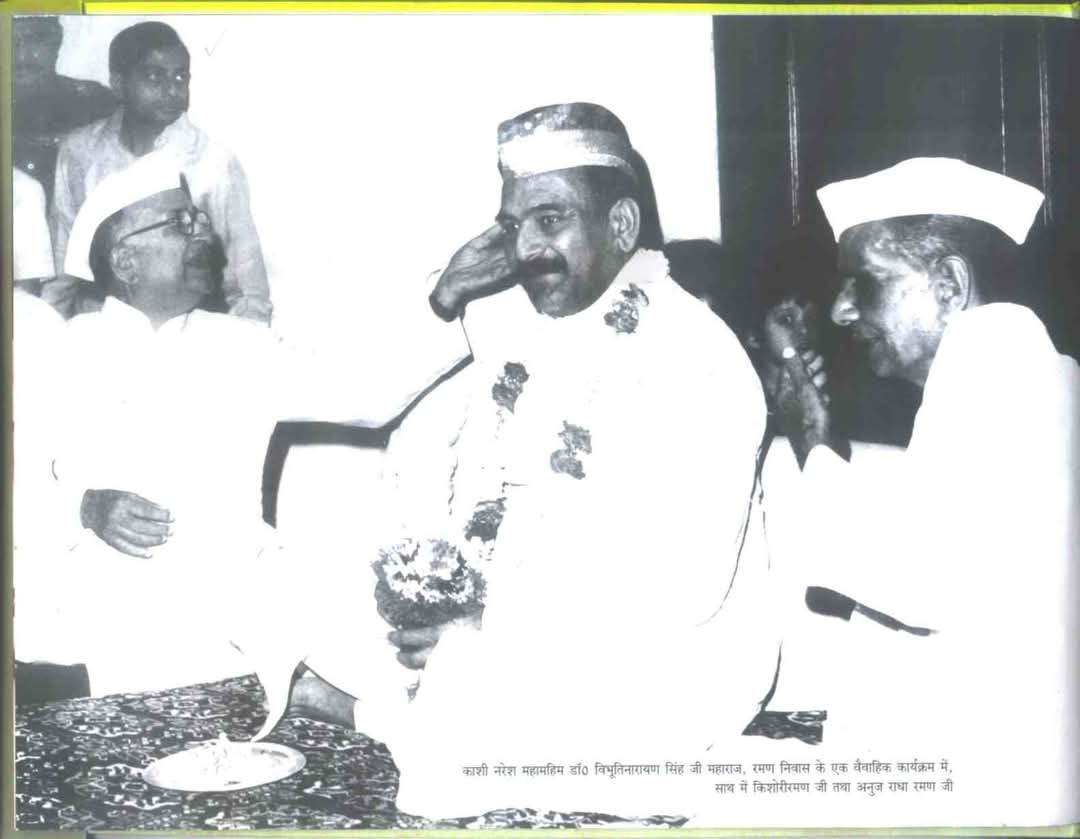
Maharaja Vibhuti Narayan Singh, often referred to as the last Maharaja of Kashi, was not only a monarch by title but also a cultural icon. Born in 1927, he was the spiritual and cultural leader of Varanasi, a city that holds a sacred place in India’s heart.
His Contribution to Culture and Religion
Kashi Naresh was not a ruler in the conventional sense. After India’s independence, princely states dissolved politically, but his influence remained strong through his dedication to preserving Banaras’ traditions. He took an active role in religious ceremonies, temple administration, and the conservation of local art forms—especially the art of Zari embroidery.
What Is ?
Origins of Work
is a type of fine thread traditionally made of real gold or silver. These threads are woven into fabrics like silk to create beautiful, shimmering patterns. Think of it as painting with metal, but on cloth!

The Persian Influence
Although widely known in India today, originally came from Persia (modern-day Iran). It found its way into Indian royal courts during the Mughal era, where it flourished under imperial patronage.
Banaras: The Heartland of Craftsmanship
Why Banaras Became the Capital
Banaras, now Varanasi, isn’t just a city of temples and ghats—it’s the undisputed home of Zari. Skilled weavers here turned this Persian art into an Indian identity. Zari became an essential part of the Banarasi saree, elevating its elegance globally.
Artisans and Their Techniques
Working in humble workshops, generations of artisans weave magic with their hands. The process? It begins with wrapping a silk or cotton thread with flattened metal (gold/silver-coated) and ends with ornate, regal designs—sometimes using handlooms that are centuries old.
The Making of a Topi
Materials Used: Silk, Velvet, and More
The Zari Topi of Kashi Naresh isn’t made from any ordinary fabric. Velvet and silk are the two primary canvases used. Why? Because they hold and reflect metallic threadwork beautifully, giving that royal shimmer.
Embroidery Techniques Involved
Each topi is hand-embroidered using intricate stitchwork like zardozi (raised embroidery), aari (hook embroidery), and dabka (coiled wire embroidery). The detailing is nothing short of spectacular—each pattern echoing tales of royalty and piety.

Embellishments: Pearls, Stones, and Gold Threads
To take the grandeur a notch higher, artisans often embed semi-precious stones, pearls, sequins, and even real gems into the topi. The gold threads catch the light, making it appear as if the topi is glowing. A true crown of craftsmanship.
The Symbolism of the Topi
Beyond Fashion: A Royal Statement
For the Maharaja, the Topi was more than an accessory—it was a cultural and spiritual emblem. It conveyed authority, divinity, and heritage. Wearing it in public ceremonies was a reminder of Banaras’ living traditions.
Spiritual and Cultural Significance
In Hindu tradition, the head is considered sacred. Covering it with such an ornate topi during rituals was a sign of utmost respect to the divine. For the Kashi Naresh, it meant stepping into his dual role as a spiritual guardian and temporal leader.
in Royal Attire Through the Ages
Mughal Era to Modern Times
embroidery was once reserved for kings and queens. During the Mughal era, was used in turbans, robes, and ceremonial garb. As time passed, it became accessible to the elite, then to the masses through festivals and weddings—but its regal essence never faded.
Time and Value: Months of Work and Lakhs of Rupees
Creating a single Topi or -laden attire could take 3–6 months, sometimes longer. Why? Because every stitch is done by hand. The cost? Easily in lakhs of rupees, depending on the detail and materials.
Today: Evolving Yet Rooted in Tradition

Modern Adaptations in Fashion
is no longer confined to traditional wear. Designers are blending it into modern fashion—clutches, jackets, even sneakers! Yet, pieces like the Zari Topi retain their old-world charm, often commissioned for special ceremonies or film productions.
Global Demand for Zari Work
From Milan to Manhattan, golden shimmer has found takers. Indian designers often showcase -rich garments in international fashion weeks, and luxury buyers love the handcrafted legacy.
Kashi Naresh and His Vision for Varanasi
The Dream of a Free City
Maharaja Vibhuti Narayan Singh envisioned Varanasi as a Free City—a center of spirituality, art, and knowledge. He wanted to safeguard its cultural autonomy, just like its sacred river and ancient temples.

Steward of Kashi Vishwanath Temple
One of his most notable roles was overseeing the Kashi Vishwanath Mandir. Under his guidance, the temple maintained its sanctity while adapting to modern administration. His Topi was a visual symbol of this blend—deeply rooted, yet forward-looking.
Conclusion
The Topi of Kashi Naresh isn’t just an artifact—it’s a living legacy. It weaves together the threads of history, royalty, spirituality, and artistic excellence. Whether seen in a museum, worn in a ritual, or adapted into modern fashion, this shimmering crown remains a beacon of Banaras’ timeless grandeur.
FAQs
1. What materials are used in making the Topi of Kashi Naresh?
Primarily velvet or silk as the base, and gold or silver zari threads for embroidery. Pearls and stones are often added for decoration.
2. Is work still done with real gold and silver?
Sometimes, yes! High-end pieces, especially for royalty or religious use, still use real metal threads. More affordable versions use metallic-coated synthetic threads.
3. Can I buy a Topi like the Kashi Naresh’s?
Replicas and custom pieces are available from master artisans in Varanasi, but originals or museum-grade pieces are priceless.
4. Why is Banaras famous for work?
Generations of artisans have refined the craft here. It’s deeply intertwined with the city’s textile and spiritual heritage.
5. What’s the cultural importance of wearing a Topi?
It symbolizes respect, divinity, and royal heritage—especially in rituals, festivals, or when representing Varanasi’s rich traditions.

| Anchor Text | URL | Purpose |
|---|---|---|
| Zari Embroidery in India – UNESCO Intangible Heritage | https://ich.unesco.org/en/BSP/zari-zardozi-00156 | Authoritative source on Zari as cultural heritage |
| Banarasi Saree and Weaving Traditions | https://www.indiaheritagewalks.org/banarasi-sarees | Cultural context and local insight |
| The Royal Legacy of Kashi Naresh | https://www.livehindustan.com/uttar-pradesh/varanasi/story-kashi-naresh-legacy-4344893.html | Background on Kashi Naresh’s contributions |
| Zari Work Explained – Craft Revival | https://www.craftrevival.org/CraftArt.asp?CraftCode=0106 | Detailed info on types of zari and techniques |
| Kashi Vishwanath Temple Official Website | https://www.shrikashivishwanath.org/ | Adds trust, links to temple connected with the Maharaja |
| The Story of Banaras’ Weavers | https://www.dsource.in/resource/banarasi-saree-weaving/banarasi-weavers | Insights into artisan community |
| Indian Textile Heritage – Ministry of Textiles | https://www.indiantextilejournal.com/articles/FADetails.aspx?aid=11265 | Government source on textile heritage |
| Zardozi and Zari in Modern Indian Fashion | https://www.vogue.in/fashion/content/zardozi-zari-indian-bridal-fashion-legacy | Modern fashion integration of traditional crafts |