
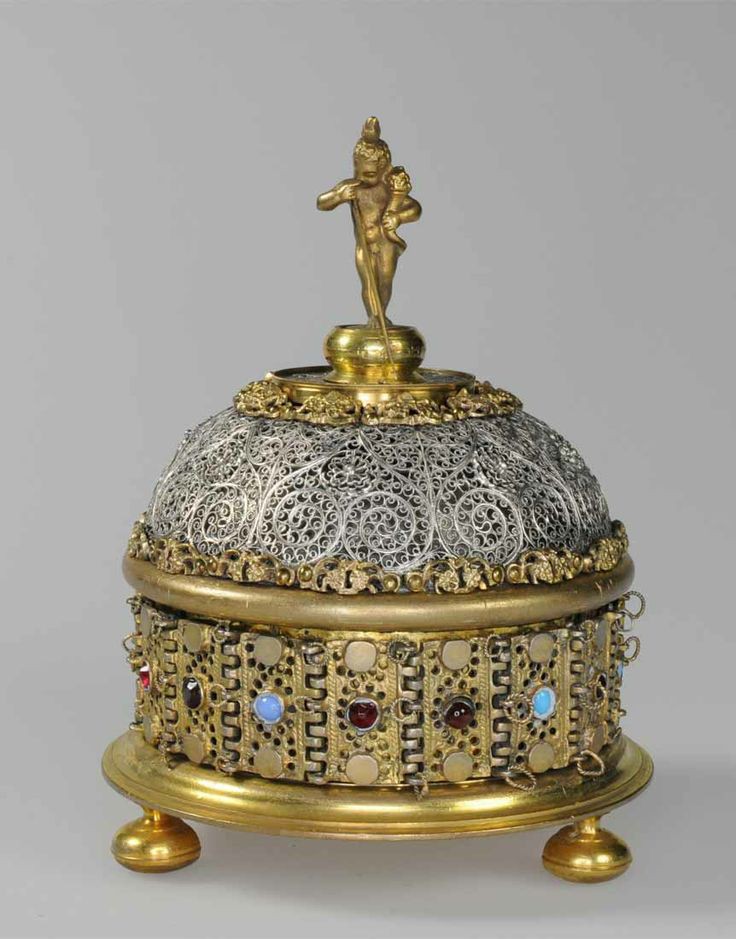
When you think of a paan daan, you might imagine a simple box meant for storing paan ingredients. But in reality, the paan daan holds a much deeper history—one that intertwines with the elegance of the Mughal era and the sophistication of Nawabi culture. More than just a container, it was a symbol of power, luxury, and even secrecy.
The History of Paan Daan
The tradition of paan chewing dates back centuries, with Mughals elevating it to an art form. The paan daan emerged as a crucial accessory in royal courts, reflecting not only taste but also status and refinement.

Paan Daan: More Than Just a Container
In Mughal and Nawabi households, the paan daan wasn’t merely for convenience—it was a sign of prestige. Intricately designed and often made of silver or gold, it was an essential part of elite gatherings.
The Artistry of Paan Daan
Artisans dedicated immense craftsmanship to these containers, engraving them with floral motifs, Islamic calligraphy, and intricate filigree work. Each paan daan was unique, showcasing the grandeur of its owner.
Paan Daan in Old Delhi’s Havelis
Even today, families in Chandni Chowk and Ballimaran possess heirloom paan daans, passed down through generations. These serve as historical relics of a bygone era.
The British Influence and Looting of Paan Daan
The British colonial rule marked the decline of Nawabi traditions. Many prized possessions, including the paan daan of Wajid Ali Shah, were taken as spoils of war and gifted to British royalty.
Paan Daan as a Secret Symbol in Nawabi Culture
Interestingly, the paan daan also served as a covert communication tool. If an empty paan daan was sent, it was a subtle yet powerful message—signaling that political games were over.
Paan Daan as a Hidden Safe
Many paan daans had secret compartments where noblewomen hid their jewels or love letters. It was both a treasure chest and a personal diary in disguise.

The Decline of Paan Daan Culture
With modern lifestyles and changing habits, the importance of paan daan faded. Readymade paan replaced traditional rituals, leaving paan daans as mere collectibles.
Paan Daan in Modern Times
Despite this decline, collectors and historians continue to preserve antique paan daans, ensuring that their cultural significance remains intact.
How Paan Daan Represents Power and Luxury
Back in the day, gifting a paan daan was akin to bestowing honor. It was a prized possession, denoting wealth and influence.
The Making of a Traditional Paan Daan
Crafting a paan daan required skilled artisans who meticulously designed each piece, using metalwork techniques that have now become rare.
Paan Daan in Bollywood and Literature
From old Hindi films to Urdu poetry, the paan daan has been immortalized as an emblem of Nawabi elegance and romance.

How to Preserve an Antique Paan Daan
If you own an antique paan daan, regular cleaning and careful storage can help maintain its beauty. Silver paan daans, in particular, require special care to prevent tarnishing.
Conclusion
The paan daan is more than just an object—it’s a piece of history that tells stories of luxury, secrecy, and cultural refinement. Its significance in Mughal and Nawabi traditions makes it a timeless icon of heritage.
FAQs
- What was the main purpose of a paan daan?
A paan daan was used to store and serve betel leaves and other ingredients for preparing paan. - Why was paan daan considered a status symbol?
Its craftsmanship and material reflected the owner’s wealth and status in society. - How did the British affect the Nawabi paan daan culture?
Many paan daans were looted and taken to Britain, marking the decline of this tradition. - Can we still find antique paan daans today?
Yes, many antique collectors and museums have preserved these exquisite pieces. - What are some famous paan daans in history?
One of the most famous paan daans belonged to Wajid Ali Shah, later gifted to Queen Mary.