
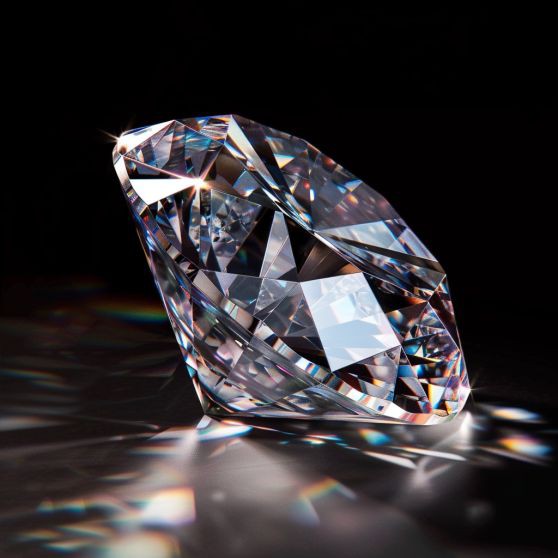
The Koh-i-Noor diamond, meaning “Mountain of Light,” is one of the world’s most famous and controversial gemstones. With a history spanning over centuries, this 105.6-carat diamond has changed hands multiple times, passing through the Mughals, Persians, Afghans, Sikhs, and the British. Today, it sits in the Tower of London, embedded in the British Crown Jewels, yet its ownership remains a subject of dispute among various nations.

Origins of the Koh-i-Noor
The exact origins of the Koh-i-Noor remain unclear, but it is believed to have been mined from the Golconda mines in India, renowned for producing some of the finest diamonds. The first recorded mention dates back to the 13th century, though some legends claim it was discovered even earlier.
Early History and Mughal Era
The Koh-i-Noor was once part of the Mughal treasury, held by rulers such as Babur and Akbar. It was a prized possession and eventually adorned Shah Jahan’s Peacock Throne, an extravagant masterpiece encrusted with precious stones.
Nader Shah’s Invasion and the Persian Era
In 1739, Persian ruler Nader Shah invaded India, capturing Delhi and looting the Mughal treasures, including the Koh-i-Noor. It was he who named it “Mountain of Light.” After his assassination, the diamond changed hands multiple times among Persian and Afghan rulers.
Afghan and Sikh Possession
The diamond was later acquired by Maharaja Ranjit Singh, the leader of the Sikh Empire, in the early 19th century. He reportedly planned to donate it to the Jagannath Temple in Puri, but his death prevented this from happening.
British Acquisition of Koh-i-Noor
After the Anglo-Sikh Wars (1849), the British East India Company seized the Koh-i-Noor and presented it to Queen Victoria. This transfer remains one of the most debated aspects of the diamond’s history.

The Diamond’s Transformation
Originally weighing 186 carats, the Koh-i-Noor was later recut to 105.6 carats to enhance its brilliance, a decision that remains controversial as it significantly reduced its size.
Koh-i-Noor in the British Crown Jewels
Today, the Koh-i-Noor is mounted in the Queen Mother’s Crown, displayed in the Tower of London. It has been worn by several British queens, yet remains a contested piece of colonial history.
Controversy and Ownership Disputes
Multiple nations—including India, Pakistan, Iran, and Afghanistan—have laid claim to the diamond, arguing that it was taken unjustly during colonial rule.
The Curse of the Koh-i-Noor
According to legend, the Koh-i-Noor brings misfortune to men who wear it, but queens seem to be unaffected. This has led to a tradition where only female royals wear the diamond.
Cultural Impact of the Koh-i-Noor
The diamond has been a subject of numerous books, documentaries, and movies, symbolizing both luxury and colonial exploitation.
The Future of the Koh-i-Noor
Debates over its return continue. Some believe it should be repatriated to India, while British authorities argue that it remains a part of their heritage.
Comparisons with Other Famous Diamonds
The Koh-i-Noor is often compared to the Hope Diamond, Cullinan Diamond, and the Orlov Diamond, yet its history remains unmatched in complexity and controversy.
Mysteries and Myths
Many legends surround the diamond, including theories about its true origins and supposed supernatural powers.

Conclusion
The Koh-i-Noor is more than just a gemstone; it’s a symbol of history, power, and controversy. Whether it will ever be returned to its original homeland remains uncertain, but its legacy continues to captivate the world.
FAQs
1. Who was the original owner of Koh-i-Noor?
The exact first owner is unknown, but it was documented in early Indian history and later became a part of the Mughal treasury.
2. Why is Koh-i-Noor so valuable?
Apart from its size and brilliance, its value comes from its rich and complex history.
3. Is Koh-i-Noor really cursed?
Legends say it brings misfortune to men but is safe for women.
4. Which countries are claiming Koh-i-Noor today?
India, Pakistan, Iran, and Afghanistan all claim ownership.
5. Can Koh-i-Noor ever be returned to India?
While many demands have been made, the British government has refused to return it, stating it was acquired legally.