
Table 1: Article Outline
Table of Contents

| Heading Level | Section Title |
|---|---|
| H1 | Basinga in Karnataka Weddings: The Sacred Mundavali Forehead Ornament Tradition |
| H2 | Introduction to Karnataka Wedding Traditions |
| H2 | What is Basinga (Mundavali)? |
| H3 | Meaning and Origin of the Basinga |
| H3 | Why It Is Also Called Mundavali |
| H2 | Historical Background of Basinga in Karnataka |
| H3 | Evolution of Wedding Ornaments in South India |
| H4 | Cultural Influences Behind the Tradition |
| H2 | Design and Structure of the Basinga |
| H3 | Materials Used in Traditional Basinga |
| H4 | Decorative Patterns and Symbolic Elements |
| H2 | Symbolism Behind the Basinga |
| H3 | Representation of Protection and Blessings |
| H4 | Spiritual Significance in Wedding Rituals |
| H2 | Basinga for Bride and Groom |
| H3 | How the Bride Wears the Basinga |
| H4 | How the Groom Wears the Basinga |
| H2 | Role of Basinga in Wedding Ceremonies |
| H3 | Rituals Where Basinga Is Worn |
| H4 | Importance During Sacred Marriage Moments |
| H2 | Craftsmanship Behind the Basinga |
| H3 | Traditional Artisans and Handmade Designs |
| H4 | Time and Effort Required to Create One |
| H2 | Regional Variations of Mundavali |
| H2 | Modern Adaptations of Basinga |
| H2 | Cultural Significance in Karnataka |
| H2 | Conclusion |
| H2 | FAQs |
Table 2: Article
| Article |
|---|
| # Basinga in Karnataka Weddings: The Sacred Mundavali Forehead Ornament Tradition |
Introduction to Karnataka Wedding Traditions
India is a land of diverse cultures, and every state has its own beautiful wedding traditions. Just like Kumaoni weddings in Uttarakhand feature the traditional Mukut, Karnataka weddings also have a unique ornament called .
If you have ever attended a traditional Karnataka wedding, you might have noticed a decorative string tied across the forehead of both the bride and the groom. That ornament is called Basinga, and it holds deep cultural and spiritual significance.
This elegant forehead ornament is not just decorative—it represents blessings, protection, and the sacred bond of marriage.
What is (Mundavali)?
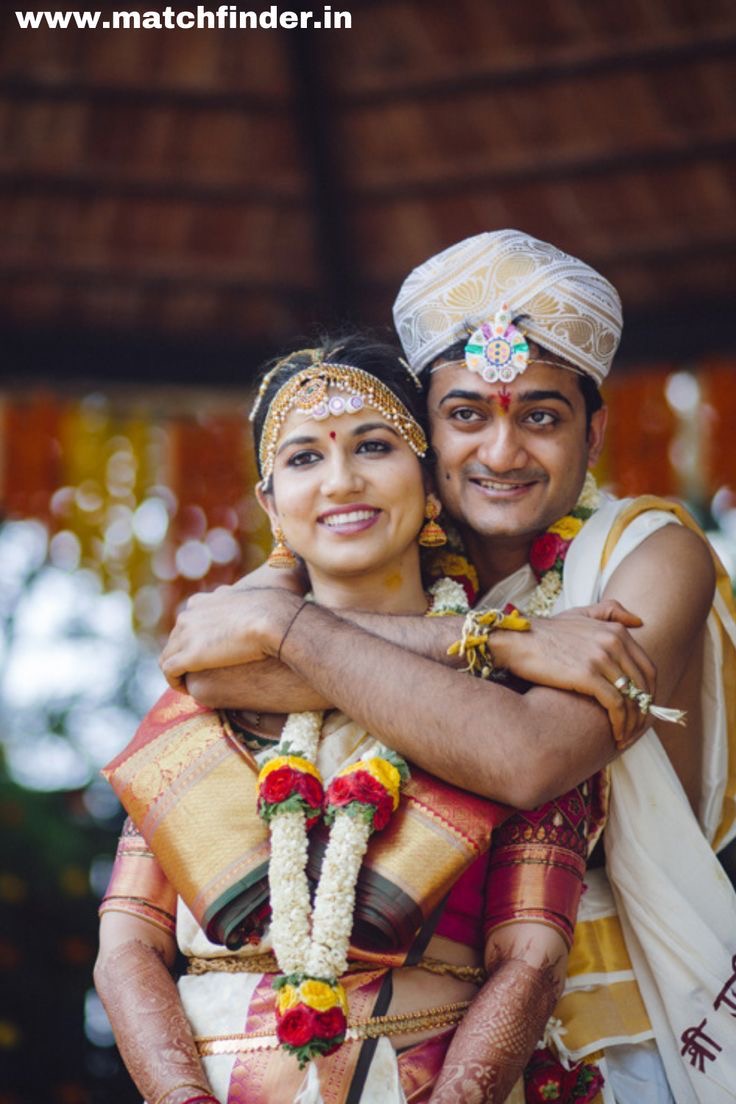
Basinga is a traditional forehead ornament worn during wedding ceremonies in Karnataka. It is tied around the head so that decorative strings fall gently across the forehead.
This ornament is worn by both the bride and the groom, which makes it particularly unique compared to many other wedding jewelry traditions.
Meaning and Origin of the
The word refers to the ornamental band tied on the forehead during wedding rituals. Traditionally, it symbolizes the sacred transformation of a man and woman into husband and wife.
In ancient traditions, ornaments worn on the forehead were believed to protect the individual from negative energies and bring divine blessings.
Why It Is Also Called Mundavali
is also known as Mundavali. The term comes from the word mund, which means forehead.
Since the ornament is worn across the forehead and sometimes hangs like a decorative chain in front of the face, it is commonly referred to as Mundavali.
Historical Background of in Karnataka
The tradition of wearing dates back centuries. It is deeply rooted in South Indian wedding customs.
Evolution of Wedding Ornaments in South India
Wedding jewelry in South India has always been rich in symbolism. Each ornament represents prosperity, protection, or spiritual blessings.
evolved as a sacred accessory that marked the importance of the wedding ceremony.
Cultural Influences Behind the Tradition
South Indian temple traditions and regional customs influenced the design and meaning of .
Over time, it became an essential ritual ornament in Karnataka weddings.
Design and Structure of the
The is beautifully crafted to highlight the forehead and complement traditional wedding attire.
Materials Used in Traditional
Traditionally, was made using natural materials such as threads, beads, and sometimes small golden ornaments.
Today, modern versions may include pearls, stones, or decorative metal elements.
Decorative Patterns and Symbolic Elements
The design often features symmetrical patterns that represent harmony and balance in marriage.
Some designs include small pendants or beads that gently fall over the forehead, creating an elegant look.
Symbolism Behind the
In Indian culture, ornaments are rarely just decorative. They carry deeper meanings.
Representation of Protection and Blessings
Basinga is believed to protect the bride and groom from negative influences during the wedding ceremony.
It acts almost like a symbolic shield, ensuring that the couple begins their married life with positive energy.
Spiritual Significance in Wedding Rituals
The forehead is considered a spiritually powerful part of the body in many traditions.
By placing an ornament there, the ritual acknowledges divine blessings and spiritual connection.
for Bride and Groom
One of the most interesting aspects of this tradition is that both partners wear the ornament.
How the Bride Wears the
The bride usually wears a beautifully decorated Basinga that complements her jewelry and bridal attire.
It enhances her appearance and highlights the elegance of her wedding look.
How the Groom Wears the
The groom also wears during important wedding rituals.
This symbolizes equality in the sacred bond of marriage.
Role of in Wedding Ceremonies
The is worn during several important rituals in a Karnataka wedding.

Rituals Where Is Worn
The ornament is typically worn during the main marriage ceremony and other sacred rituals.
It marks the moment when the couple enters the sacred space of marriage.
Importance During Sacred Marriage Moments
During the exchange of vows and blessings, the acts as a visual symbol of unity and commitment.
It reminds everyone present of the sacred nature of the ceremony.
Craftsmanship Behind the
Creating a traditional requires artistic skill.
Traditional Artisans and Handmade Designs
Many ornaments are handcrafted by skilled artisans.
These craftsmen often use traditional techniques passed down through generations.
Time and Effort Required to Create One
Depending on the design complexity, making a Basinga can take several hours or even days.
Each bead and decorative element is placed carefully to maintain symmetry.
Regional Variations of Mundavali
Different regions of Karnataka may have slight variations in the design of Basinga.
Some versions are simpler, while others are highly decorative.
Modern Adaptations of
As fashion evolves, wedding jewelry styles change as well.
Today, modern brides and grooms sometimes choose customized designs with pearls, crystals, or gold accents.
However, the traditional essence remains the same.
Cultural Significance in Karnataka
represents more than just an ornament—it reflects Karnataka’s cultural identity.
It connects modern weddings with ancient traditions and reminds people of the importance of rituals.
Conclusion
The Basinga or Mundavali is a beautiful symbol of tradition, spirituality, and cultural heritage in Karnataka weddings. Worn by both the bride and groom, it represents protection, blessings, and the sacred bond of marriage.
Just like the Mukut in Kumaoni weddings, the Basinga stands as a unique and meaningful ornament that reflects the rich diversity of Indian wedding traditions.
Through its elegant design and deep symbolism, the continues to remain an important part of Karnataka’s wedding culture.
FAQs
1. What is in Karnataka weddings?
Basinga is a traditional forehead ornament worn by both the bride and groom during wedding ceremonies.
2. Why is also called Mundavali?
It is called Mundavali because it is worn across the forehead (mund), often with decorative strings hanging in front.
3. Who wears in the wedding ceremony?
Both the bride and groom wear Basinga during important wedding rituals.
4. What materials are used to make ?
Traditional Basinga ornaments are made with threads, beads, pearls, and sometimes gold elements.
5. What does symbolize?
It symbolizes protection, blessings, and the sacred bond between the bride and groom.
Traditional Basinga Mundavali Forehead Ornament
| Anchor Text | External Link |
|---|---|
| Karnataka Wedding Traditions and Rituals | https://en.wikipedia.org/wiki/Kannada_wedding |
| South Indian Wedding Traditions Explained | https://www.culturalindia.net/weddings/south-indian-wedding.html |
| Traditional Indian Wedding Ornaments | https://www.britannica.com/topic/Indian-wedding |
| Rituals and Customs of Karnataka Weddings | https://www.karnatakatourism.org/heritage/traditions/ |
| Significance of Mundavalya in Indian Weddings | https://timesofindia.indiatimes.com/life-style/relationships/wedding/mundavalya-the-sacred-maharashtrian-wedding-ornament/articleshow/65936377.cms |
