
Table 1: Article Outline
Table of Contents

| Level | Heading |
|---|---|
| H1 | Nethi Chutti / Papidi Billa: The Soul of Andhra–Telangana Bridal Beauty |
| H2 | The Movie, the Thought, and the Question |
| H3 | Why Narasimha Connects With Culture |
| H3 | Lord Narasimha and Andhra Pradesh |
| H2 | What Is Nethi Chutti? |
| H3 | Meaning of the Name |
| H4 | Nethi |
| H4 | Chutti |
| H2 | Papidi Billa: The Telugu Name |
| H3 | Regional Language, Same Emotion |
| H2 | History of Forehead Jewellery in India |
| H3 | Ancient Roots |
| H3 | Temple Sculptures and Queens |
| H2 | Why Forehead Is the Focus Point |
| H3 | Facial Balance and Beauty Science |
| H2 | Nethi Chutti in Andhra and Telangana Brides |
| H3 | Bridal Identity |
| H2 | Design and Craftsmanship |
| H3 | Materials Used |
| H4 | Gold |
| H4 | Stones and Pearls |
| H3 | Structure of Nethi Chutti |
| H2 | Different Styles of Nethi Chutti |
| H3 | Temple Style |
| H3 | Kundan Style |
| H3 | Minimal Daily-Wear Style |
| H2 | How to Wear Nethi Chutti Properly |
| H3 | Centre Placement |
| H3 | Matching With Hairstyle |
| H2 | Cultural Symbolism |
| H3 | Feminine Power and Grace |
| H2 | Nethi Chutti in Modern Fashion |
| H3 | Celebrities and Movies |
| H2 | Buying Guide |
| H3 | Real vs Imitation |
| H3 | Price Range |
| H2 | Care and Storage |
| H3 | Cleaning Tips |
| H2 | Emotional Connection of Brides |
| H3 | More Than Jewellery |
| H2 | Conclusion |
| H2 | FAQs |
Table 2: Full Article
| Article |
|---|
| Nethi Chutti / Papidi Billa: The Soul of Andhra–Telangana Bridal Beauty |
| The Movie, the Thought, and the Question |
| You watched the movie Narasimha, felt the power, the devotion, and the emotion. But then a thought comes—why this movie? What is the deeper meaning? And suddenly a cultural question appears: do you know where Lord Narasimha’s home is believed to be? The answer takes us to Andhra Pradesh. And once we reach Andhra, we automatically meet its brides—and their most loved jewellery: Nethi Chutti, also known as Papidi Billa. |
| Why Narasimha Connects With Culture |
| Narasimha is not just a mythological figure. He represents protection, justice, and divine power. In Andhra Pradesh, especially around Ahobilam, Lord Narasimha is deeply worshipped. His presence is not only spiritual but cultural too—reflected in rituals, festivals, and even bridal traditions. Jewellery, like Nethi Chutti, becomes part of this cultural language. |
| Lord Narasimha and Andhra Pradesh |
| Andhra Pradesh is believed to be the land where Lord Narasimha appeared to protect Prahlad. Temples like Ahobilam remind people of this divine story. So when Andhra brides wear traditional ornaments, they are not just decorating themselves—they are carrying centuries of faith and stories. |

| What Is Nethi Chutti? |
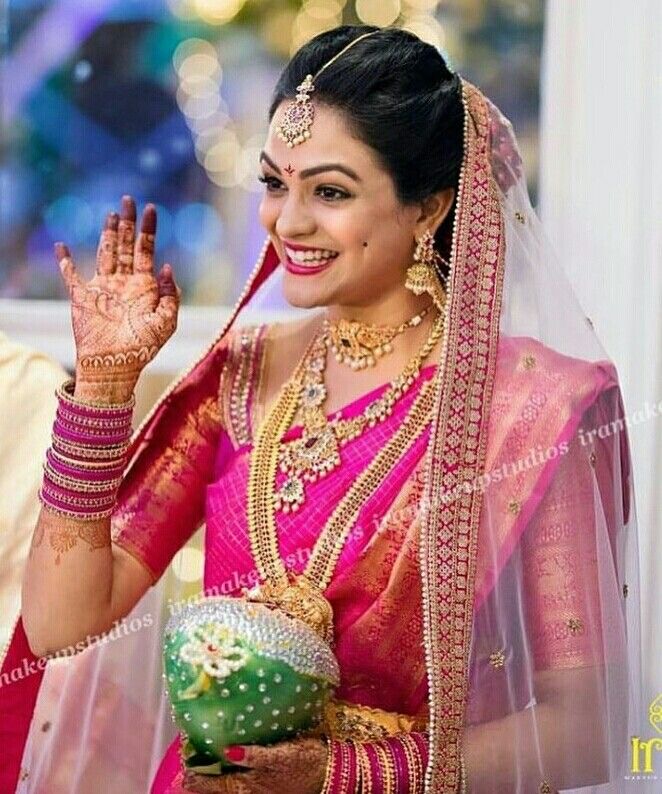
| Nethi Chutti is a forehead ornament worn from the hairline to the center of the forehead. It hangs beautifully in the middle of the face and completes the bridal look. It is similar to Maang Tikka but has its own South Indian identity. |
| Meaning of the Name |
| Nethi means forehead. Chutti means a hanging ornament. So Nethi Chutti literally means an ornament that hangs on the forehead. Simple name, deep meaning. |
| Nethi |
| Nethi is the center of attention on the face. In Indian beauty tradition, this is where grace begins. |
| Chutti |
| Chutti is something that decorates by hanging. When it hangs in the center, it draws all eyes to the bride’s face. |
| Papidi Billa: The Telugu Name |
| In Telangana and Andhra Pradesh, the same ornament is called Papidi Billa. Papidi means the parting of hair, and Billa means ornament. Language changes, emotion remains the same. |
| Regional Language, Same Emotion |
| Whether you say Chutti or Papidi Billa, the feeling is identical—bridehood, beauty, and blessings. |
| History of Forehead Jewellery in India |
| Forehead jewellery has existed since ancient times. Sculptures, paintings, and temple carvings show queens and dancers wearing ornaments in the center of the forehead. It symbolized power, beauty, and divine connection. |
| Ancient Roots |
| From Mughal queens to South Indian temple dancers, forehead jewellery was always a sign of elegance. |
| Temple Sculptures and Queens |
| Look at old temples in South India—you will see women figures with forehead ornaments carved in stone. That is how deep this tradition goes. |
| Why Forehead Is the Focus Point |
| The center of the forehead is believed to be a spiritual point. It is also the natural focus point of the face. That is why Chutti is placed there—to balance the face and highlight beauty. |
| Facial Balance and Beauty Science |
| When jewellery is worn in the center, the face looks symmetrical and calm. That is why brides instantly look more graceful with Chutti. |
| Chutti in Andhra and Telangana Brides |
| For brides of these regions, Chutti is not optional—it is essential. Without it, the bridal look feels incomplete. |
| Bridal Identity |
| A bride wearing silk saree, jasmine flowers, gold jewellery, and Nethi Chutti becomes the true image of South Indian bridal beauty. |
| Design and Craftsmanship |
| Nethi Chutti is not just made—it is crafted. Artisans carefully shape gold, stones, and pearls into a perfect hanging ornament. |
| Materials Used |
| Mostly gold is used, but modern designs also use silver, copper, and imitation metals. |
| Gold |
| Gold is considered pure and auspicious, so most bridal Nethi Chuttis are made of gold. |
| Stones and Pearls |
| Rubies, emeralds, kundan, and pearls are commonly used to add richness. |
| Structure of Nethi Chutti |
| It has three parts: top hook for hair parting, chain or strip for length, and a heavy pendant that rests on the forehead. |
| Different Styles of Nethi Chutti |
| Over time, many styles have evolved. |
| Temple Style |
| Inspired by temple jewellery with goddess motifs. |
| Kundan Style |
| Uses glass stones and royal designs. |
| Minimal Daily-Wear Style |
| Light designs for functions and festivals. |
| How to Wear Nethi Chutti Properly |
| Placement matters. It should be exactly in the center. |
| Centre Placement |
| This makes the face look balanced and bright. |
| Matching With Hairstyle |
| It looks best with middle-parted hair and bun or braid. |
| Cultural Symbolism |
| It represents feminine energy, beauty, and tradition. |
| Feminine Power and Grace |
| Just like Goddess Lakshmi is shown with forehead ornaments, brides wear Nethi Chutti to look divine. |
| Nethi Chutti in Modern Fashion |
| Today, even models and actresses wear it with lehengas and fusion outfits. |
| Celebrities and Movies |
| Many movies and weddings have brought this jewellery back into trend. |
| Buying Guide |
| Choose based on face shape, outfit, and occasion. |
| Real vs Imitation |
| Real gold is expensive, but imitation looks just as beautiful for short events. |
| Price Range |
| From a few hundred rupees to lakhs, depending on material and design. |
| Care and Storage |
| Store it in a soft box. Keep away from water and perfume. |
| Cleaning Tips |
| Wipe gently with dry cloth after use. |
| Emotional Connection of Brides |
| Brides often say they feel “complete” only after wearing Nethi Chutti. |
| More Than Jewellery |
| It is not decoration—it is emotion, culture, and identity. |
| Conclusion |
| Nethi Chutti or Papidi Billa is not just an ornament. It is the soul of Andhra and Telangana bridal beauty. From Lord Narasimha’s land to modern wedding halls, this forehead jewel connects faith, tradition, and beauty. When a bride wears it, she is not just dressing up—she is carrying history on her forehead. |
| FAQs |
| 1. Is Nethi Chutti and Maang Tikka same?
They look similar, but Nethi Chutti is heavier and traditionally South Indian. |
| 2. Can unmarried girls wear Nethi Chutti?
Yes, now it is worn in festivals and functions too. |
| 3. Which hairstyle suits it best?
Middle-parted hair with bun or braid. |
| 4. Is gold necessary?
No, imitation also looks beautiful. |
| 5. Why is it worn in the center?
Because the center is the main focus point of the face and symbol of balance.

| Purpose | Website Name | External Link |
|---|---|---|
| Indian Jewellery History | India Jewellery Online | https://www.indiajewelleryonline.com |
| Indian Culture & Heritage | Incredible India | https://www.incredibleindia.org |
| South Indian Traditions | Culture of India | https://www.cultureofindia.net |
| Bridal Jewellery Trends | WedMeGood Blog | https://www.wedmegood.com/blog |
| Temple Jewellery Styles | The Better India | https://www.thebetterindia.com |
| Indian Wedding Traditions | WeddingWire India | https://www.weddingwire.in |
| Handcrafted Jewellery | Jaypore Journal | https://www.jaypore.com/journal |
| Traditional Ornaments | Sahapedia | https://www.sahapedia.org |
