
📌 Table 1: Article Outline
Table of Contents

| Heading Level | Title |
|---|---|
| H1 | Kniya Earrings: The Hair-Attached Tribal Jewellery of the Lambani (Banjara) Community |
| H2 | Introduction to Lambani Tribal Jewellery |
| H2 | Who Are the Lambani (Banjara) People? |
| H3 | Nomadic Roots and Cultural Identity |
| H3 | Role of Jewellery in Lambani Life |
| H2 | What Are Kniya Earrings? |
| H3 | Meaning and Local Name of Kniya |
| H3 | Why Kniya Earrings Are Unique |
| H4 | Hair-Attached Earrings Explained |
| H2 | Materials Used in Kniya Earrings |
| H3 | Oxidised Silver and White Metal |
| H3 | Beads, Chains, and Metallic Elements |
| H2 | Design Structure of Kniya Earrings |
| H3 | Flat Engraved Upper Section |
| H3 | Layered Hanging Chains and Beads |
| H2 | How Kniya Earrings Are Worn |
| H3 | Attachment with Hair Instead of Earlobes |
| H3 | Traditional Styling Techniques |
| H2 | Cultural and Symbolic Significance |
| H3 | Statement of Strength and Identity |
| H3 | Ceremonial Importance |
| H2 | Kniya Earrings in Lambani Attire |
| H3 | Pairing with Mirror-Work and Embroidery |
| H3 | Coin Jewellery and Nose Rings |
| H2 | When Are Kniya Earrings Worn? |
| H3 | Festivals and Community Gatherings |
| H3 | Weddings and Rituals |
| H2 | Craftsmanship and Artisan Techniques |
| H3 | Handmade Tribal Jewellery Process |
| H3 | Skills Passed Through Generations |
| H2 | Modern Revival and Contemporary Appeal |
| H3 | Kniya Earrings in Fashion and Social Media |
| H3 | Preserving Tribal Heritage Through Jewellery |
| H2 | Conclusion |
| H2 | Frequently Asked Questions (FAQs) |
📌 Table 2: The Article
Kniya Earrings: The Hair-Attached Tribal Jewellery of the Lambani (Banjara) Community
Introduction to Lambani Tribal Jewellery
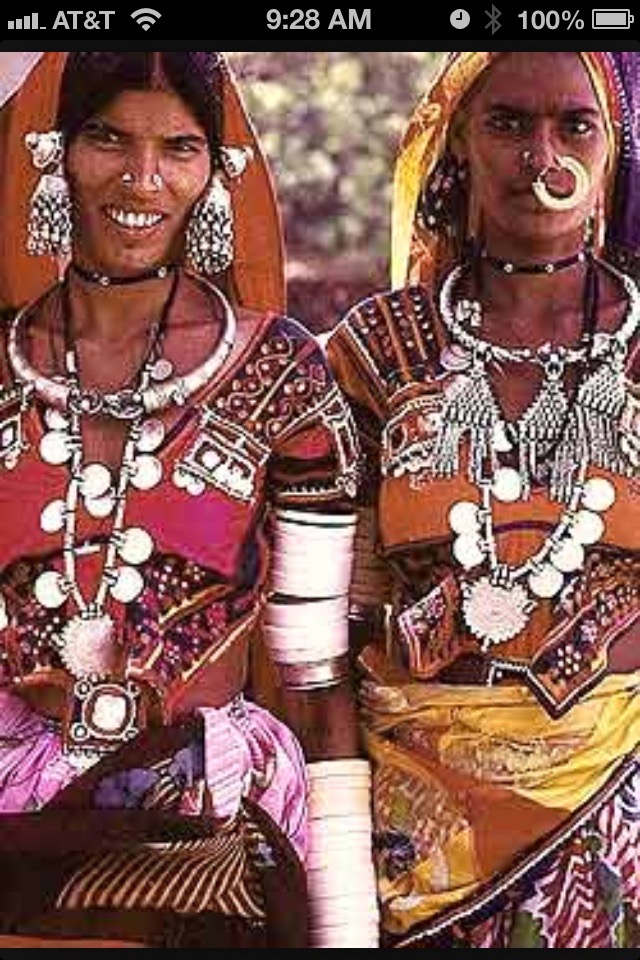
Jewellery in India is not just about beauty—it’s about identity, roots, and stories passed down through generations. Among the many tribal communities of India, the Lambani (Banjara) tribe stands out for its bold aesthetics and unapologetic celebration of self-expression. One of the most fascinating ornaments worn by Lambani women is the Kniya earring—a unique piece of jewellery that doesn’t hang from the ears but attaches to the hair itself.
Sounds unusual, right? That’s exactly what makes it extraordinary.
Who Are the Lambani (Banjara) People?
Nomadic Roots and Cultural Identity
The Lambanis, also known as Banjaras, are a historically nomadic community spread across Karnataka, Telangana, Andhra Pradesh, Maharashtra, Rajasthan, and parts of Madhya Pradesh. Traditionally known as traders and transporters, their lifestyle shaped a culture that values resilience, movement, and visibility.
Their jewellery reflects this spirit—bold, heavy, and impossible to ignore.
Role of Jewellery in Lambani Life
For Lambani women, jewellery is not optional. It is a declaration of identity. Each ornament—whether worn on the head, neck, nose, waist, or hair—signals marital status, community belonging, and social pride.
What Are Kniya Earrings?
Meaning and Local Name of Kniya
Kniya refers to a traditional tribal earring worn by Lambani women. Unlike conventional earrings, Kniya are not limited to the earlobe. Instead, they are attached to the hair, making them one of the most distinctive forms of tribal jewellery in India.
Why Kniya Earrings Are Unique
Most earrings rely on ear piercings. Kniya earrings challenge that norm completely. They interact with hair, movement, and posture—turning the entire head into a canvas of adornment.

Hair-Attached Earrings Explained
The upper flat part of the Kniya is secured into the hair, often near the temple or side parting. As the wearer moves, the dangling chains sway rhythmically, creating a dramatic visual effect.
Materials Used in Kniya Earrings
Oxidised Silver and White Metal
Traditionally, Kniya earrings are made from oxidised silver or white metal. The antique finish gives them a weathered, earthy look—perfectly aligned with the tribal aesthetic.
Gold is rarely used. Why? Because Lambani jewellery values symbolism and strength over material luxury.
Beads, Chains, and Metallic Elements
The lower section features multiple metallic chains, tiny beads, and sometimes coin-like elements. These are not decorative add-ons; they add weight, sound, and presence to the ornament.
Design Structure of Earrings
Flat Engraved Upper Section
The top portion is usually flat and engraved with geometric or symbolic motifs. These engravings often reflect nature, fertility, or ancestral patterns.
Layered Hanging Chains and Beads
Below the flat top, layers of chains cascade downward. This structure adds volume and ensures the earrings are visible even from a distance.
Think of it like a waterfall—metallic, rhythmic, and powerful.
How Kniya Earrings Are Worn
Attachment with Hair Instead of Earlobes
Instead of piercing the ear, Kniya earrings are attached using hair loops, threads, or hooks. This method distributes weight evenly and prevents strain on the earlobes.
Traditional Styling Techniques
are often worn with center-parted hair or braided styles, ensuring stability and symmetry. The hairstyle becomes part of the jewellery presentation.
Cultural and Symbolic Significance
Statement of Strength and Identity
earrings are bold because Lambani women are bold. These earrings symbolize confidence, endurance, and pride—qualities deeply respected in the community.
Ceremonial Importance
They are not everyday jewellery. earrings are reserved for festivals, rituals, weddings, and community celebrations—moments when identity must shine the brightest.
Kniya Earrings in Lambani Attire
Pairing with Mirror-Work and Embroidery
Lambani garments are famous for mirror work and hand embroidery. earrings complement this perfectly, reflecting light and movement.

Coin Jewellery and Nose Rings
are often paired with heavy coin necklaces, waist belts, and large nose rings, creating a layered and harmonious tribal look.
When Are Earrings Worn?
Festivals and Community Gatherings
During fairs, dances, and tribal festivals, earrings become a visual highlight—swinging with every step and beat.
Weddings and Rituals
In weddings, they signify maturity, marital readiness, and cultural continuity.
Craftsmanship and Artisan Techniques
Handmade Tribal Jewellery Process
Each earring is handcrafted. No machines. No mass production. Just skilled hands shaping metal with patience and precision.
Skills Passed Through Generations
These techniques are often taught from mother to daughter, ensuring the craft survives despite modern pressures.
Modern Revival and Contemporary Appeal
Earrings in Fashion and Social Media
Today, Kniya earrings are finding space in fashion shoots, museum collections, and heritage jewellery platforms—especially among creators who value authenticity.
Preserving Tribal Heritage Through Jewellery
By wearing or documenting earrings, we don’t just accessorize—we participate in cultural preservation.
Conclusion
earrings are not just ornaments. They are moving symbols of Lambani identity, designed to be seen, heard, and remembered. From their hair-attached design to their bold layered structure, they challenge conventional jewellery norms and remind us that beauty doesn’t have to be delicate—it can be powerful.
In a world racing toward uniformity, earrings stand tall as a reminder of India’s diverse, living heritage.
Frequently Asked Questions (FAQs)
1. Are earrings worn daily?
No, they are primarily ceremonial and worn during festivals, rituals, and weddings.
2. Why are earrings attached to hair instead of ears?
This helps distribute weight evenly and aligns with traditional Lambani styling practices.
3. What metals are used in earrings?
Mostly oxidised silver or white metal with an antique finish.
4. Can modern women wear earrings today?
Absolutely. Many wear them as statement heritage pieces with contemporary outfits.
5. Do earrings have symbolic meaning?
Yes, they represent strength, cultural pride, and tribal identity within the Lambani community.
Kniya Earrings – Traditional Lambani Hair-Attached Jewellery
| Source Name | Topic Covered | External Link |
|---|---|---|
| Ministry of Tribal Affairs, Govt. of India | Overview of Indian Tribal Communities | https://tribal.nic.in |
| Sahapedia | Lambani / Banjara Culture & Traditions | https://www.sahapedia.org |
| Indira Gandhi National Centre for the Arts (IGNCA) | Tribal Art, Culture & Jewellery Documentation | https://ignca.gov.in |
| National Museum, New Delhi | Indian Tribal Jewellery & Ethnographic Collections | https://www.nationalmuseumindia.gov.in |
| Crafts Council of India | Traditional Crafts & Tribal Jewellery | https://craftscouncilofindia.org |
| Google Arts & Culture | Indian Tribal Communities & Crafts | https://artsandculture.google.com |
| Indian Culture (Ministry of Culture) | Indigenous Indian Heritage & Tribes | https://indianculture.gov.in |
| Tribal Research Institute (TRI) | Research on Indian Tribes | https://www.tribal.nic.in/TRI |