
Table 1: Article Outline
Table of Contents

| Heading Level | Heading Title |
|---|---|
| H1 | Jadanagam: The Timeless Serpent Hair Ornament of South India |
| H2 | Introduction to Jadanagam |
| H2 | What Exactly Is Jadanagam? |
| H3 | Meaning of the Word Jadanagam |
| H3 | Why Serpent Motif Was Chosen |
| H2 | The Cultural Origins of Jadanagam |
| H3 | Temple Traditions and Ritual Use |
| H3 | Jadanagam in Royal and Courtly Life |
| H2 | Spiritual Symbolism Behind Jadanagam |
| H3 | Naga Worship in Indian Belief Systems |
| H4 | Serpent as a Symbol of Energy and Protection |
| H2 | Jadanagam as a Perfect Balance of Form and Function |
| H3 | Designed Specifically for Long Braids |
| H3 | Engineering Beauty Through Movement |
| H2 | Traditional Craftsmanship of Jadanagam |
| H3 | Materials Used in the Past |
| H3 | Interlocking Link Construction |
| H4 | Why Flexibility Matters |
| H2 | Jadanagam in Classical Indian Dance |
| H3 | Bharatanatyam Tradition |
| H3 | Other Dance Forms and Regional Variations |
| H2 | Jadanagam as a Bridal Hair Ornament |
| H3 | Symbol of Auspicious Beginnings |
| H3 | Styling with Flowers and Other Accessories |
| H2 | Evolution of Jadanagam Over Time |
| H3 | From Temple Jewelry to Modern Designs |
| H3 | Contemporary Styling for Today’s Women |
| H2 | How to Wear Jadanagam Correctly |
| H3 | Step-by-Step Wearing Method |
| H3 | Common Styling Mistakes to Avoid |
| H2 | Why Jadanagam Still Holds High Value Today |
| H3 | Cultural Identity and Heritage |
| H3 | Timeless Design Philosophy |
| H2 | Care and Maintenance of Jadanagam |
| H3 | Storage and Handling |
| H3 | Cleaning and Longevity Tips |
| H2 | Conclusion |
| FAQs | 5 Unique FAQs |
Table 2: Full Article
| Article |
|---|
| Jadanagam: The Timeless Serpent Hair Ornament of South India |
Hair accessories can be beautiful, but only a few can tell a story. is one of those rare ornaments where history, symbolism, craftsmanship, and design flow together as seamlessly as the braid it adorns.
Welcome to Day 455, where we explore why Jadanagam holds such immense value in hair accessories and why it continues to command respect even in the modern age.
Introduction to
Enduring design is born when form, function, and beauty walk hand in hand. is a perfect example of this philosophy. It is not loud, yet it is powerful. Not rigid, yet striking. Not just decorative, but deeply meaningful.
This traditional South Indian hair ornament has survived centuries—not because of fashion trends, but because of intelligent design and cultural depth.
What Exactly Is ?
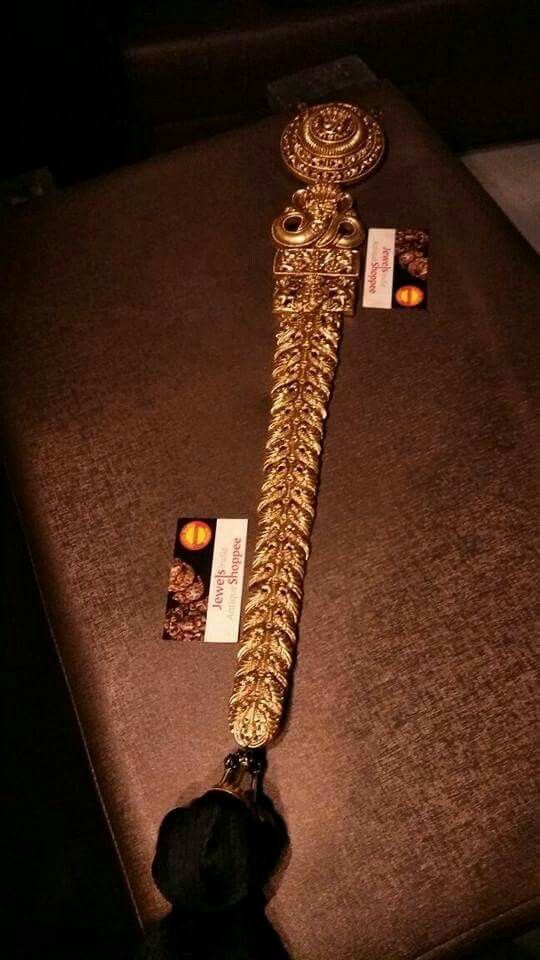
is a traditional hair ornament crafted specifically for long braids, commonly worn by South Indian women during classical dance performances, weddings, temple rituals, and important celebrations.
Meaning of the Word
The name itself explains its identity:
- Jada means braid
- Nagam means serpent
So, literally means “a serpent that rests along the braid.”
Why Serpent Motif Was Chosen
In Indian culture, the serpent is sacred. It represents power, protection, regeneration, and cosmic energy. Wearing a serpent-inspired ornament was never about fear—it was about invoking strength.
The Cultural Origins of
Jadanagam did not emerge from fashion houses. It emerged from temples, rituals, and lived traditions.
Temple Traditions and Ritual Use
Temple dancers wore as part of their sacred attire. It was believed that the serpent motif aligned the dancer’s energy with divine forces.
in Royal and Courtly Life
Royal women also embraced , especially during ceremonial events. Gold versions signified status, grace, and refinement.
Spiritual Symbolism Behind
Naga Worship in Indian Belief Systems
From South Indian temples to ancient scriptures, Nagas are revered as guardians of the earth and water.
Serpent as a Symbol of Energy and Protection
The serpent symbolizes Kundalini energy—coiled power waiting to rise. Wearing was believed to protect the wearer while enhancing inner strength.

as a Perfect Balance of Form and Function
is not stiff jewelry pinned to hair—it is designed to move.
Designed Specifically for Long Braids
South Indian women traditionally kept long braids. :
- Enhances the braid’s length
- Adds visual rhythm
- Maintains balance
Engineering Beauty Through Movement
Just like a real snake, flows. When the wearer walks or dances, the ornament moves naturally—never rigid, never awkward.
Traditional Craftsmanship of
Materials Used in the Past
Traditionally crafted using:
- Gold
- Silver
- Gilded copper
- Temple jewelry alloys
Often detailed with red or green stones representing serpent eyes.
Interlocking Link Construction
Each segment is linked like a spine—flexible yet strong.
Why Flexibility Matters
Without flexibility, the braid looks artificial. With interlocking links, the ornament becomes an extension of the body.
Jadanagam in Classical Indian Dance
Bharatanatyam Tradition
In Bharatanatyam, completes the dancer’s silhouette. Without it, the costume feels unfinished.
Other Dance Forms and Regional Variations
Kuchipudi and Mohiniyattam also incorporate Jadanagam, though designs vary in length and weight.
as a Bridal Hair Ornament
Symbol of Auspicious Beginnings
Brides wear to signify protection, fertility, and blessings for married life.
Styling with Flowers and Other Accessories
It pairs beautifully with:
- Flowers
- Rakodi
- Chandra Pirai
Evolution of Over Time
From Temple Jewelry to Modern Designs
Today’s versions are lighter, detachable, and easier to wear.
Contemporary Styling for Today’s Women
Modern women style with sarees, half-sarees, and fusion outfits.
How to Wear Correctly
Step-by-Step Wearing Method
- Braid hair neatly
- Secure the top hook
- Let it cascade naturally
- Finish with flowers if desired
Common Styling Mistakes to Avoid
Avoid folding, pinning too tightly, or mismatching lengths.
Why Still Holds High Value Today
Cultural Identity and Heritage
Wearing is wearing history—it connects generations.
Timeless Design Philosophy
When design respects movement and meaning, it never becomes outdated.
Care and Maintenance of
Storage and Handling
Store flat in soft cloth.
Cleaning and Longevity Tips
Dry cleaning only. Avoid moisture for temple jewelry.
Conclusion
is not just a hair accessory—it is a moving symbol of heritage, intelligence, and beauty. Inspired by the serpent, crafted with precision, and worn with pride, it proves that true design does not age—it evolves gracefully.
FAQs
1. Is only worn in South India?
Primarily yes, but it is now appreciated globally.
2. Can be worn without dance attire?
Yes, modern versions suit festive and bridal wear.
3. Why is flexibility important in ?
It ensures natural movement and comfort.
4. Is heavy to wear?
Traditional gold ones are heavier, modern designs are lightweight.
5. How long should a be?
Ideally matching the length of the braid.

| Title / Anchor Text | External Link (Markdown) | Source / Description |
|---|---|---|
| Traditional Jewellery in Kerala (includes Jadanagam) | Traditional Jewellery in Kochi – Jadanagam | Covers traditional Kerala jewellery and mentions Jadanagam as a South Indian hair serpent ornament. (chungathjewellery.com) |
| Jadanagam Plait Ornament at The Metropolitan Museum of Art | Plait Ornament (Jadanagam) – The Met | Detailed history and description of Jadanagam from museum collections. (The Metropolitan Museum of Art) |
| South Asian Hair Accessories (Jadanagam) | Popular Indian Hair Accessories – DESIblitz | Features Jadanagam as one of the traditional South Indian hair ornaments with cultural background. (DESIblitz) |
| Cultural Relevance of Hair Adornment in South Asia | The Evolution of Hair Adornment – Homegrown India | Mentions Jadanagam in the context of historical South Asian hair adornments. (Homegrown) |
| Indian Traditional Jewellery from Head to Toe | Indian Traditional Jewellery – Yehaindia | Explains the design, symbolism, and components of Jadanagam ornament. (Yeh Hai India) |
| Traditional Indian Jewellery Overview | Traditional Indian Jewellery – Different Truths | Describes Jadanagam structure, meaning, and motifs in a wider jewellery context. (differenttruths.com) |
| Museum Description of Jadai Nagam Ornament | Hair Ornament (Jadai Nagam) – Google Arts & Culture | Visual and descriptive details of a traditional Jadai Nagam hair ornament. (Google Arts & Culture) |
| South Indian Jewellery Trends Including Jadanagam | South Indian Jewellery Trends – APSense | Includes a section on Jadanagam in the broader context of South Indian bridal jewellery. (apsense.com) |