
TABLE 1: ARTICLE OUTLINE
Table of Contents

| Heading Level | Outline |
|---|---|
| H1 | 9 Powerful Reasons Why Hyderabadi Jhoomar (Pasa) Is the Soul of Bridal Jewellery |
| H2 | Introduction: Day 452 and the Unmissable Jhoomar |
| H2 | What Is a Jhoomar (Pasa)? |
| H3 | Why It Is Also Called Pasa |
| H2 | The Cultural Roots of Hyderabadi Jhoomar |
| H3 | Influence of Deccan and Nizami Tehzeeb |
| H2 | Why Jhoomar Is Worn on the Left Side of the Forehead |
| H3 | Difference Between Maang Tikka and Jhoomar |
| H4 | Symbolic Placement on the Bride’s Face |
| H2 | Design Language of Hyderabadi Jhoomar |
| H3 | Triangular Shape and Its Meaning |
| H3 | Role of Pearls in Hyderabadi Jewellery |
| H2 | Gold, Pearls, and Red Stones: A Royal Combination |
| H3 | Why Red Stones Are Considered Auspicious |
| H2 | Traditional Craftsmanship Behind Jhoomar Making |
| H3 | Handcrafted Techniques Passed Through Generations |
| H2 | Weight, Structure, and Balance of a Jhoomar |
| H3 | Why 25–60 Grams Is Considered Ideal |
| H2 | Jhoomar as a Marker of Hyderabadi Bridal Identity |
| H2 | Modern Brides and the Revival of Jhoomar |
| H2 | Conclusion: More Than Jewellery, a Legacy |
| H2 | FAQs |
TABLE 2: FULL ARTICLE
| Article |
|---|
# 9 Powerful Reasons Why Hyderabadi Jhoomar (Pasa) Is the Soul of Bridal Jewellery
Introduction: Day 452 and the Unmissable Jhoomar
Hyderabadi bridal jewellery ki baat ho aur Jhoomar (ya Pasa) ka zikr na aaye—
yeh almost namumkin hai.
Welcome to Day 452, where we talk about a piece of jewellery that doesn’t just sit on a bride’s forehead, but carries centuries of tehzeeb, royalty, and identity.
In Hyderabad, a bride is never truly complete without her Jhoomar. It’s not optional. It’s essential.
What Is a (Pasa)?
A Jhoomar, also known as Pasa, is a traditional side-head ornament worn by Hyderabadi brides.
Unlike the Maang Tikka, which sits at the center of the forehead, the Jhoomar is worn gracefully on the left side of the forehead, cascading slightly toward the temple.
But calling it “just a side ornament” would be an understatement.
Why It Is Also Called Pasa
The word Pasa has Persian and Urdu roots, reflecting Hyderabad’s deep connection with Islamic and Deccan culture.
“Pasa” roughly translates to something that sits elegantly to the side—
never loud, never central, yet impossible to ignore.
Just like Hyderabadi tehzeeb itself.
The Cultural Roots of Hyderabadi
The Jhoomar didn’t appear overnight.
It evolved through:
- Mughal aesthetics
- Persian influences
- Deccan royal courts
Hyderabad, especially during the Nizam era, was known for refined luxury—not excess, but measured elegance.
And the reflects exactly that.
Influence of Deccan and Nizami Tehzeeb
Nizami brides were styled to look:
- regal, not flashy
- elegant, not overwhelming
The balanced the face, framed the eyes, and added a soft royal charm—without stealing attention from the bride herself.
Why Jhoomar Is Worn on the Left Side of the Forehead
This is one of the most asked questions—and one of the most meaningful answers.
The left side of the body has traditionally been associated with:
- emotions
- heart
- feminine energy
Placing the on the left side was believed to enhance a bride’s grace and emotional strength as she entered married life.

Difference Between Maang Tikka and
Maang Tikka
- Centered
- Symmetrical
- Pan-Indian
(Pasa)
- Side-placed
- Asymmetrical
- Deeply Hyderabadi
Together, they create a visual balance—
logic in the center, emotion on the side.
Symbolic Placement on the Bride’s Face
The doesn’t dominate the face.
Instead, it:
- frames the eyes
- highlights the cheekbone
- draws attention subtly
Like a whisper, not a shout.
Design Language of Hyderabadi
A classic Hyderabadi Jhoomar is instantly recognizable.
Why?
Because of its triangular shape.
Triangular Shape and Its Meaning
The triangular design represents:
- stability
- balance
- strength
In a bridal context, it symbolizes the foundation of a new life—
three points coming together as one.
Role of Pearls in Hyderabadi Jewellery
If there’s one gemstone Hyderabad is inseparable from, it’s pearls.
Hyderabad was once known as the City of Pearls, and the proudly carries this legacy.
Pearls represent:
- purity
- grace
- timeless beauty
Gold, Pearls, and Red Stones: A Royal Combination
Most traditional Jhoomars are made using:
- Gold as the base
- Pearls for softness
- Red stones for auspiciousness
This trio is not accidental—it’s symbolic.
Why Red Stones Are Considered Auspicious
Red has always been associated with:
- marriage
- prosperity
- new beginnings
In a Jhoomar, red stones add:
- warmth
- royalty
- visual contrast
They quietly announce: this is a wedding, not just an outfit.
Traditional Craftsmanship Behind Making
A real Hyderabadi Jhoomar is rarely machine-made.
It involves:
- hand-setting of pearls
- detailed gold work
- precise balance so it doesn’t slip
Many karigars still follow techniques passed down through generations.
Handcrafted Techniques Passed Through Generations
Each tells a story—not just of the bride, but of the artisan who made it.
Small imperfections are not flaws.
They’re proof of human touch.
Weight, Structure, and Balance of a
Usually, a Jhoomar weighs between 25 grams to 60 grams.
The weight depends on:
- design complexity
- pearl density
- stone work
Despite this, it’s designed to feel balanced—not heavy.
Why 25–60 Grams Is Considered Ideal
Too light, and it won’t sit properly.
Too heavy, and it becomes uncomfortable.
This range ensures:
- stability
- comfort
- elegance
Just like Hyderabadi culture—balanced in every way.
as a Marker of Hyderabadi Bridal Identity
A bride wearing a instantly tells the world:
- where she comes from
- what culture she represents
It’s not just jewellery.
It’s identity.
Modern Brides and the Revival of
Today, even modern brides are rediscovering the Jhoomar.
Some wear it with:
- minimalist outfits
- fusion lehengas
- contemporary styling
Because heritage never goes out of fashion.
Conclusion: More Than Jewellery, a Legacy
The Hyderabadi is not about trends.
It’s about:
- memory
- meaning
- belonging
When a bride wears a , she doesn’t just look royal—
she carries history on her forehead.
FAQs
1. What is the difference between and Pasa?
They are the same jewellery; “Pasa” is simply another name for Jhoomar.
2. Why is worn on the left side?
Because the left side symbolizes emotion and feminine energy.
3. Is worn with Maang Tikka?
Yes, traditionally both are worn together.
4. What is the ideal weight of a ?
Between 25–60 grams, depending on design.
5. Are Hyderabadi always made of pearls?
Mostly yes, as pearls are central to Hyderabad’s jewellery heritage.
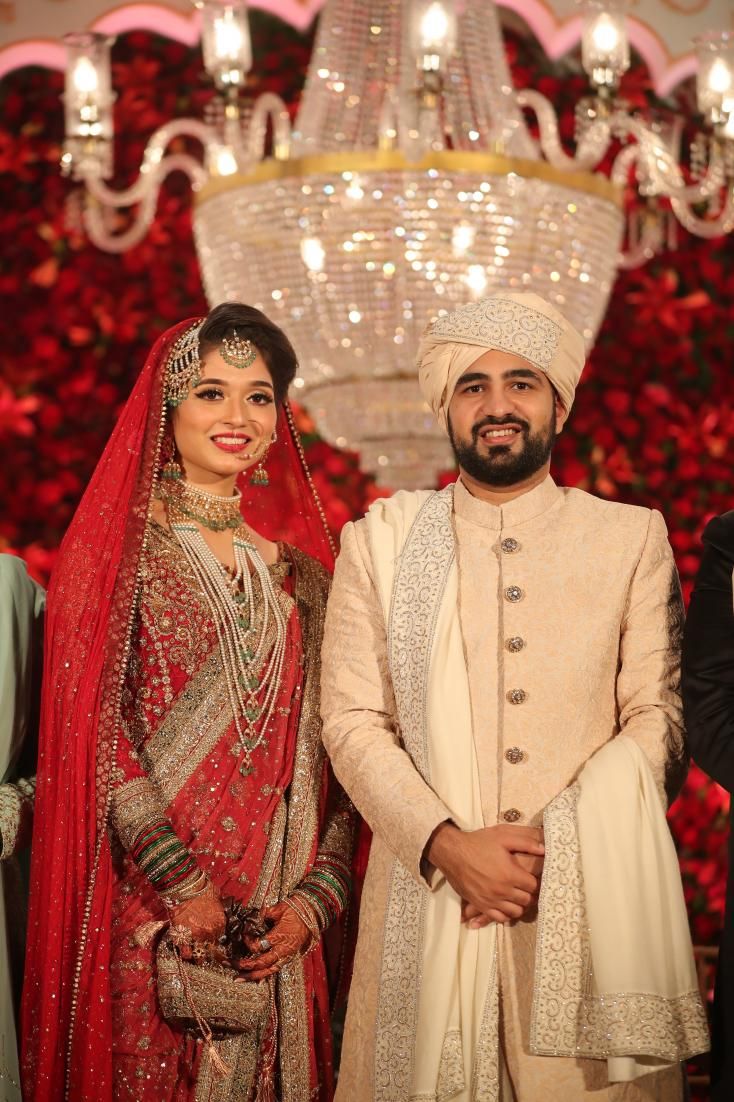
Traditional Jhoomar (Pasa) Image

| Website Name | Anchor Text (Suggested) | External Link |
|---|---|---|
| Wikipedia | Hyderabadi Jewellery and Bridal Ornaments | https://en.wikipedia.org/wiki/Hyderabad_jewellery |
| Indian Culture (Govt. of India) | Traditional Jewellery of India | https://indianculture.gov.in |
| Victoria and Albert Museum (V&A) | Indian Gold and Pearl Jewellery History | https://www.vam.ac.uk/articles/jewellery-from-india |
| British Museum | Mughal and Deccan Jewellery Traditions | https://www.britishmuseum.org/collection |
| The Metropolitan Museum of Art | Indian and Islamic Jewellery Designs | https://www.metmuseum.org/toah |
| Craft Council of India | Traditional Indian Craftsmanship | https://www.craftscouncilofindia.org |
| National Museum Delhi | Indian Bridal Jewellery Heritage | https://www.nationalmuseumindia.gov.in |
| Smithsonian National Museum of Asian Art | South Asian Jewellery Traditions | https://asia.si.edu |