
Table 1: Article Outline (Without Hashtags)
Table of Contents

| Level | Heading |
|---|---|
| H1 | Kathal Jewellery Worn on Feet: Chhattisgarh’s Unique Tribal Ornament |
| H2 | When Jewellery Breaks Expectations |
| H2 | What Is Kathal Jewellery? |
| H3 | Meaning of “Kathal” in Tribal Context |
| H2 | Kathal Jewellery Worn on Feet |
| H3 | Why Feet, Not Neck or Hands? |
| H4 | Cultural Beliefs Behind Foot Ornaments |
| H2 | Origin of Kathal Jewellery in Chhattisgarh |
| H3 | Tribal Communities That Wear Kathal |
| H2 | Inspiration from Jackfruit Seeds and Shape |
| H3 | Nature as the First Designer |
| H2 | Handmade by Tribal Artisans |
| H3 | No Machines, Only Hands |
| H4 | Why Every Piece Looks Different |
| H2 | Weight, Size, and Physical Presence |
| H3 | Why Kathal Jewellery Weighs Up to 250 Grams |
| H2 | Natural Tones and Earthy Aesthetics |
| H2 | Kathal Jewellery as Sustainable Fashion |
| H3 | Eco-Friendly Thinking of Tribal India |
| H2 | Kathal Jewellery vs Modern Foot Jewellery |
| H2 | Ritual, Daily Wear, or Celebration? |
| H3 | When and How It Is Traditionally Worn |
| H2 | Cultural Identity Carried on the Feet |
| H2 | Kathal Jewellery in Contemporary Fashion |
| H3 | Designers Rediscovering Tribal Forms |
| H2 | Why Kathal Jewellery Matters Today |
| Conclusion | Preserving Stories Worn on Feet |
| FAQs | 5 Unique FAQs |
Table 2: Full Article (No Hashtags, All Headings Bold)
| Article Content |
|---|
Kathal Jewellery Worn on Feet: Chhattisgarh’s Unique Tribal Ornament
Kathal… worn on the feet?
Sounds unusual, doesn’t it?
For most of us, jewellery belongs on the neck, ears, wrists, or waist. But in the tribal regions of Chhattisgarh, jewellery follows a different rhythm — one that listens to the forest, the soil, and the lived experiences of indigenous communities. Kathal jewellery, inspired by the jackfruit seed and form, is traditionally worn on the feet, carrying stories far deeper than surface beauty.
When Jewellery Breaks Expectations
Modern fashion teaches us symmetry and polish. Tribal jewellery teaches us meaning.
Kathal jewellery does not aim to look light or delicate. It is bold, grounded, and unapologetically heavy. Wearing it on the feet challenges the idea that adornment must always seek attention upward. Instead, it draws attention downward — toward the earth.
What Is Kathal Jewellery?
Kathal jewellery is a traditional foot ornament crafted by tribal artisans of Chhattisgarh. Its design is inspired by the seed and natural shape of the jackfruit, a fruit deeply rooted in forest life and seasonal cycles.
The jewellery is usually made using metal, natural finishes, and traditional hand tools — without the use of modern machinery.
Meaning of “Kathal” in Tribal Context
In tribal culture, is more than food.
It symbolizes:
- Forest abundance
- Sustainability
- Seasonal living
- Self-reliance
Transforming kathal into jewellery is a way of preserving everyday forest life in a wearable form.

Kathal Jewellery Worn on Feet
Foot jewellery holds a sacred place in tribal traditions.
Feet are considered the point where the human body connects directly with the land. Wearing kathal jewellery on the feet represents grounding, stability, and respect for nature.
Why Feet, Not Neck or Hands?
Unlike urban jewellery choices driven by visibility, tribal jewellery is driven by belief.
Feet symbolize:
- Balance in life
- Connection to ancestral land
- Strength and endurance
Kathal jewellery worn on the feet becomes a silent declaration of identity.
Cultural Beliefs Behind Foot Ornaments
In many tribal communities, foot ornaments are worn during:
- Community gatherings
- Seasonal rituals
- Harvest celebrations
They are believed to carry protective and grounding energy.
Origin of Kathal Jewellery in Chhattisgarh
Kathal jewellery originates from forest-dwelling regions of Chhattisgarh, where nature shapes not just livelihood, but creativity.
Here, jewellery evolved as an extension of daily life — not as luxury, but as culture.
Tribal Communities That Wear Kathal
Several indigenous groups in Chhattisgarh incorporate kathal-inspired jewellery into their traditional attire, especially women who actively participate in agricultural and forest-based work.
Inspiration from Jackfruit Seeds and Shape
The design closely mirrors:
- Jackfruit seeds
- Rounded, organic forms
- Natural textures
Nothing is forced into symmetry. Nature decides the form.
Nature as the First Designer
Before sketchbooks and CAD designs, there was observation.
Artisans observe the fruit, its seeds, its weight — and translate that directly into jewellery. This makes jewellery raw, honest, and deeply organic.
Handmade by Tribal Artisans
Every piece of jewellery is entirely handmade.
No factories.
No heavy machines.
Only skilled hands, passed down through generations.
No Machines, Only Hands
The absence of machines means:
- Slow production
- Deep focus
- Emotional connection with each piece
This is craftsmanship in its purest form.
Why Every Piece Looks Different
Because no two seeds are the same.
And no two artisans think alike.
Each ornament carries slight variations — a reminder that perfection is not uniformity.
Weight, Size, and Physical Presence
jewellery is known for its solid presence.
It is not lightweight by design.
Why Jewellery Weighs Up to 250 Grams
The approximate 250-gram weight symbolizes:
- Strength
- Endurance
- Cultural pride
The wearer doesn’t hide the weight — they carry it with confidence.
Natural Tones and Earthy Aesthetics
Muted metallic shades, rustic finishes, and natural textures give jewellery its unmistakable earthy charm.
It doesn’t shine.
It belongs.

Jewellery as Sustainable Fashion
Long before sustainability became a trend, tribal artisans were practicing it naturally.
- Local materials
- Minimal waste
- Long-lasting designs
jewellery is slow fashion in its truest sense.
Eco-Friendly Thinking of Tribal India
Everything returns to the earth.
Nothing is excess.
This philosophy shapes every step of kathal jewellery making.
Jewellery vs Modern Foot Jewellery
Modern anklets focus on beauty.
jewellery focuses on belonging.
One decorates.
The other represents.
Ritual, Daily Wear, or Celebration?
jewellery is worn during:
- Cultural festivals
- Community gatherings
- Traditional ceremonies
In some regions, it is also worn during daily life.
When and How It Is Traditionally Worn
Usually paired with:
- Handwoven garments
- Minimal upper-body jewellery
- Natural hairstyles
The feet carry the statement.
Cultural Identity Carried on the Feet
jewellery is not just worn — it is inherited, remembered, and respected.
It carries the weight of stories, land, and lineage.
Jewellery in Contemporary Fashion
Today, designers and cultural curators are rediscovering jewellery for its raw authenticity.
Its bold form fits beautifully into modern slow-fashion narratives.
Designers Rediscovering Tribal Forms
jewellery inspires:
- Runway reinterpretations
- Museum collections
- Cultural documentation
But its soul remains rooted in the forest.
Why Jewellery Matters Today
In a world chasing lightness and speed, jewellery reminds us:
- To slow down
- To stay grounded
- To respect origins
Conclusion: Preserving Stories Worn on Feet
jewellery is not strange.
It is simply honest.
Worn on the feet, close to the soil, it tells a story of Chhattisgarh’s forests, artisans, and sustainable wisdom. Heavy in weight, rich in meaning — jewellery proves that sometimes, the most powerful stories are carried quietly, step by step.
FAQs
1. What is jewellery made from?
jewellery is usually made from metal using traditional handcraft techniques inspired by jackfruit seeds and natural forms.
2. Why is jewellery worn on the feet?
Feet symbolize grounding and connection with the earth in tribal belief systems.
3. How heavy is jewellery?
It can weigh up to approximately 250 grams, intentionally designed to feel solid and grounded.
4. Is jewellery still worn today?
Yes, it is worn during rituals, festivals, and is also being rediscovered in contemporary fashion.
5. Is jewellery sustainable?
Absolutely. It follows eco-friendly, handmade, slow-fashion practices rooted in tribal wisdom.
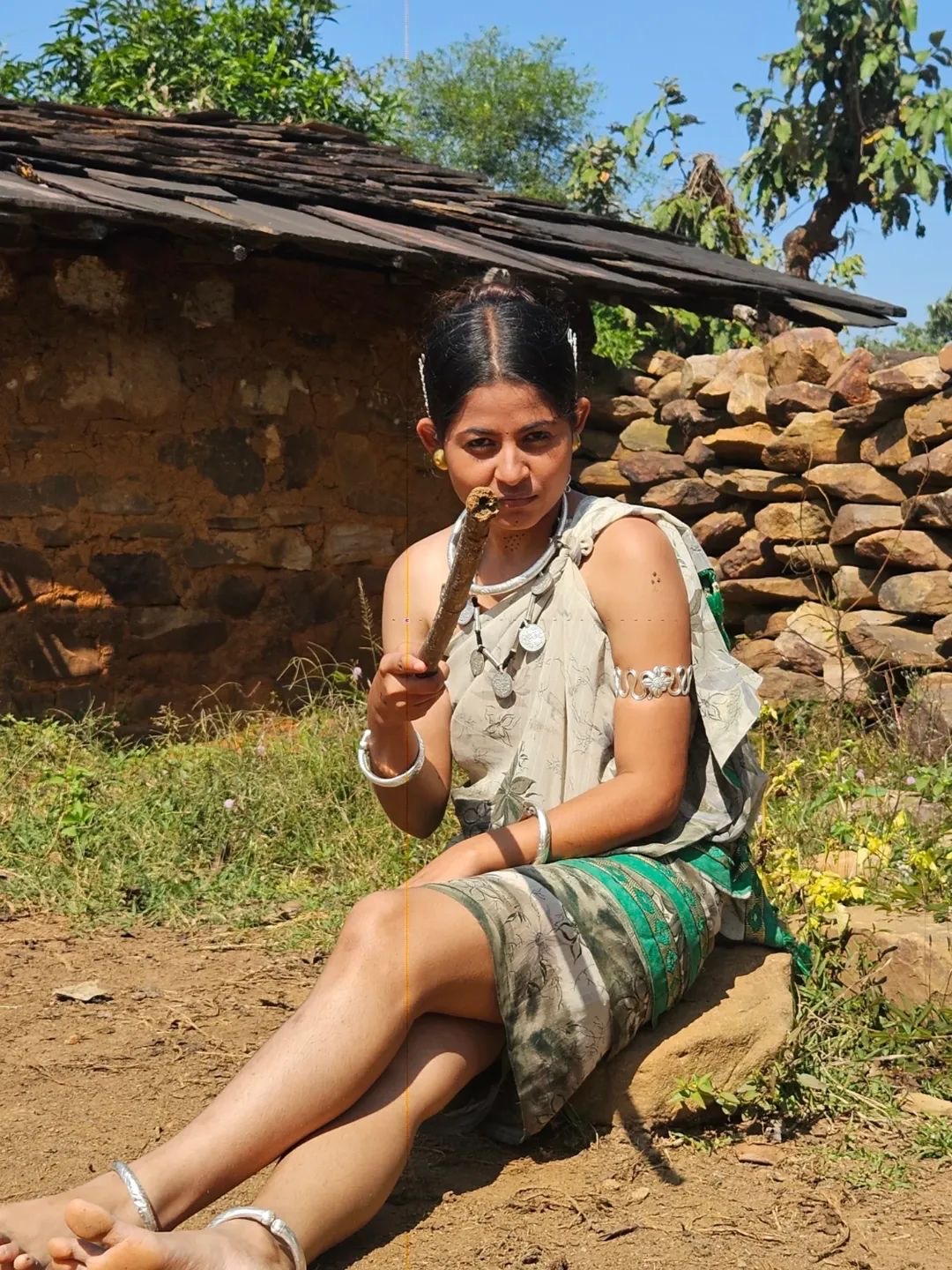
Traditional Kathal Foot Jewellery from Chhattisgarh
| Anchor Text | External Link | Purpose |
|---|---|---|
| Tribal Jewellery Traditions of India | https://www.indiaculture.gov.in | Cultural reference on Indian tribal art & jewellery |
| Chhattisgarh Tribal Culture and Crafts | https://tribal.nic.in | Government source on tribal communities & traditions |
| Indian Handicrafts and Artisan Heritage | https://www.craftscouncilofindia.org | Information on handmade crafts and artisan practices |
| Sustainable Fashion and Traditional Crafts | https://www.unesco.org | Global perspective on cultural heritage and sustainability |
| Forest-Based Livelihoods in Tribal India | https://www.downtoearth.org.in | Context on forest life and indigenous sustainability |
| Traditional Indian Foot Jewellery | https://www.metmuseum.org | Museum reference for traditional jewellery forms |
| Jackfruit in Indian Cultural History | https://www.britannica.com | Educational source for kathal (jackfruit) background |