
Table 1: Article Outline
Table of Contents

| Level | Heading |
|---|---|
| H1 | Rupiya Haar: The Tribal Necklace of Wealth, Tradition, and Identity |
| H2 | Welcome to Day 440: Have You Ever Seen Money Worn Around the Neck? |
| H2 | What Is Rupiya Haar? |
| H3 | Meaning of the Name “Rupiya Haar” |
| H2 | Historical Origins of Rupiya Haar |
| H3 | Kalachuri Dynasty and Its Coinage System |
| H4 | Gold, Silver, and Copper Coins of the Era |
| H2 | Rupiya Haar as a Symbol of Dowry |
| H3 | Marriage Traditions in Tribal Chhattisgarh |
| H2 | Design and Craftsmanship of Rupiya Haar |
| H3 | Coin Engravings and Nakashi Art |
| H4 | Religious and Royal Symbols on Coins |
| H2 | Materials Used in Rupiya Haar |
| H3 | Dominance of Silver Coins |
| H2 | How Rupiya Haar Is Worn |
| H3 | Thick Cotton and Silk Strings |
| H2 | Tribal Communities That Wear Rupiya Haar |
| H3 | Gond Tribe |
| H3 | Baiga Tribe |
| H3 | Halba Tribe |
| H3 | Muria and Maria Tribes |
| H2 | Rupiya Haar as a Measure of Wealth |
| H3 | Social Status and Coin Count |
| H2 | Spiritual Beliefs Associated with Rupiya Haar |
| H3 | Protection from Evil Eye |
| H2 | Weight and Physical Characteristics |
| H3 | Average Weight and Structure |
| H2 | Rupiya Haar vs Modern Jewelry |
| H2 | Cultural Importance in Today’s Time |
| H2 | Preservation of Tribal Heritage |
| H2 | Why Rupiya Haar Matters in Indian History |
| H2 | Conclusion |
| H2 | FAQs |
Table 2: Full Article
Haar: The Tribal Necklace of Wealth, Tradition, and Identity
Welcome to Day 440: Have You Ever Seen Money Worn Around the Neck?
Have you ever imagined wearing money—not in your wallet, not in your pocket—but proudly around your neck? Sounds unusual, right? But in the heart of India, particularly in Chhattisgarh, this has been a living tradition for centuries.
Welcome to Day 440, where we uncover the fascinating story of Rupiya Haar, a traditional tribal necklace made entirely of coins. This is not just jewelry. It’s history, wealth, faith, and identity—strung together on a thick thread and worn with pride.
What Is Haar?
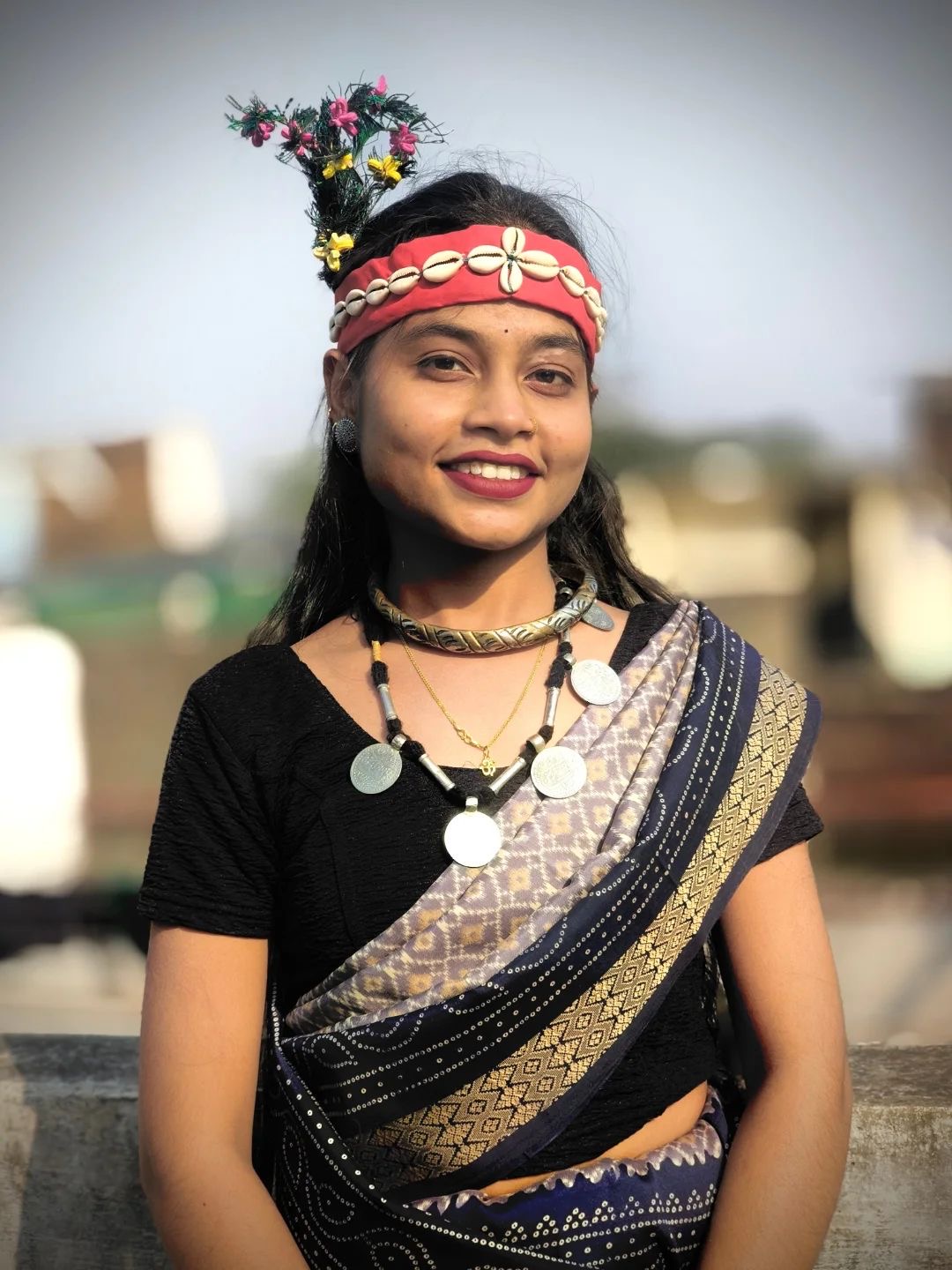
Rupiya Haar is a traditional tribal neckpiece crafted using old silver coins. It is also known as Sikka Haar, meaning “coin necklace.” This ornament is deeply rooted in the cultural practices of Chhattisgarh’s tribal communities.
Unlike modern jewelry designed only for beauty, Rupiya Haar tells a story. Every coin speaks of dynasties, beliefs, social status, and age-old customs.
Meaning of the Name “ Haar”
The word means currency or coin, and Haar means necklace. Quite literally, it translates to “a necklace of money.” Simple, yet powerful.
Historical Origins of Haar
The origins of Rupiya Haar date back to the era of the Kalachuri Dynasty, which once ruled parts of central India.

Kalachuri Dynasty and Its Coinage System
The Kalachuri rulers had a well-developed coinage system. They minted coins made of:
- Gold
- Silver
- Copper
These coins were not just currency; they were symbols of power, religion, and governance.
Gold, Silver, and Copper Coins of the Era
Each coin carried intricate engravings, including:
- Deities
- Royal emblems
- Important symbols of the dynasty
Over time, these coins became more than money—they became sacred objects.
Haar as a Symbol of Dowry
One of the most interesting transitions in history is how coins turned into jewelry.
Marriage Traditions in Tribal Chhattisgarh
During weddings, Kalachuri-era coins began to be gifted as dowry. Instead of keeping them hidden, tribal women wore them openly as necklaces. This practice symbolized:
- Financial security
- Family honor
- Blessings for the bride
And just like that, Rupiya Haar became a wedding essential.
Design and Craftsmanship of Haar
The beauty of Haar lies in its raw authenticity.
Coin Engravings and Nakashi Art
Unlike today’s machine-made jewelry, each coin featured handcrafted nakashi (engraving). No two necklaces were exactly alike.
Religious and Royal Symbols on Coins
Common motifs included:
- Hindu deities
- Nature symbols
- Dynastic insignia

These designs gave Haar both spiritual and royal significance.
Materials Used in Haar
Though coins were minted in different metals, silver dominated the Rupiya Haar tradition.
Dominance of Silver Coins
Why silver?
- Easily available
- Durable
- Spiritually pure
- Believed to ward off negativity
Most Rupiya Haar pieces were made using pure or high-grade silver coins.
How Haar Is Worn
Coins were not loosely attached. They were carefully arranged.
Thick Cotton and Silk Strings
Coins were threaded into thick cotton or silk strings, allowing the necklace to:
- Carry heavy weight
- Sit firmly on the neck
- Last for generations
Women wore it with full traditional attire during weddings and festivals.
Tribal Communities That Wear Rupiya Haar
Haar is worn by several tribal communities of Chhattisgarh.
Gond Tribe
Among the Gond women, Haar symbolizes prosperity and ancestral pride.
Baiga Tribe
For Baiga women, it holds spiritual importance, believed to protect the wearer.
Halba Tribe
The Halba community considers Haar a family asset, passed from mother to daughter.
Muria and Maria Tribes
In Muria and Maria tribes, the necklace is worn during major life ceremonies.
Haar as a Measure of Wealth
In ancient times, wealth wasn’t shown through bank balances.
Social Status and Coin Count
The more coins a woman wore, the wealthier her family was considered. It was like wearing your savings—literally!
Spiritual Beliefs Associated with Haar
Beyond wealth, Rupiya Haar had deep spiritual meaning.
Protection from Evil Eye
It was believed that:
- Deity symbols on coins
- Silver’s purity
would protect the bride from evil eyes and negative energies.
Weight and Physical Characteristics
This necklace is not light.
Average Weight and Structure
A traditional Haar weighs approximately 50 to 70 grams, sometimes even more, depending on the number of coins.
Haar vs Modern Jewelry
Modern jewelry focuses on shine and design. Rupiya Haar focuses on story and soul.
Modern necklaces decorate.
Rupiya Haar defines identity.
Cultural Importance in Today’s Time
Today, Haar is worn:
- During cultural festivals
- Tribal weddings
- Folk dance performances
It has also gained popularity among heritage jewelry collectors.
Preservation of Tribal Heritage
With modernization, traditions fade. But Haar stands as a reminder that culture is wealth too.
Why Haar Matters in Indian History
Rupiya Haar is not just tribal jewelry. It represents:
- Ancient economic systems
- Women-centric wealth
- Cultural sustainability
It connects money, marriage, faith, and fashion—beautifully.
Conclusion
Haar is a powerful symbol of India’s tribal heritage. It shows us a time when wealth was worn with pride, when jewelry had meaning beyond beauty, and when traditions were lived—not displayed.
In a world chasing trends, Rupiya Haar reminds us to honor roots. Because sometimes, the richest stories are not in books—but around someone’s neck.
Frequently Asked Questions (FAQs)
1. What is Haar made of?
Rupiya Haar is mainly made of silver coins strung together with thick cotton or silk threads.
2. Which tribes wear Haar?
Gond, Baiga, Halba, Muria, and Maria tribes of Chhattisgarh traditionally wear Rupiya Haar.
3. Is Haar still used today?
Yes, it is worn during weddings, cultural events, and tribal festivals.
4. What is the average weight of Haar?
It usually weighs between 50 to 70 grams, depending on the number of coins.
5. Why were deity symbols engraved on the coins?
These symbols were believed to protect the wearer from evil eye and negative energies.
Rupiya Haar – Traditional Tribal Silver Coin Necklace
| Topic / Description | External Link (Markdown) |
|---|---|
| Tribal heirloom jewellery combining old coins and cultural fashion (Hindustan Times) | Tribal heirloom jewellery and coin necklaces |
| Photo essay on traditional Indian rural and tribal ornaments including rupiya mala (Village Square) | Ornamental treasures from rural India – Rupiya mala |
| Example of tribal-style coin jewellery sold commercially (Ejaa) | Silver Coin Jewellery – Sikka Haar |
| Information on tribal jewellery of India, including coin necklaces (Tribal Horizon) | Tribal Jewellery of India – Traditional designs |
| Context on Chhattisgarh tribal ornaments (CGPSC – Edurev) | Traditional ornaments and festivals in Chhattisgarh |