
Table of Contents

| Heading Level | Outline |
|---|---|
| H1 | Bengapatia: The Traditional Odissi Waist Belt That Blends Grace, Heritage & Function |
| H2 | Introduction to Bengapatia |
| H3 | What Makes Bengapatia Unique? |
| H4 | A Perfect Blend of Art and Utility |
| H2 | Historical Significance of Bengapatia |
| H3 | Roots in Ancient Odissi Culture |
| H3 | Evolution Through the Centuries |
| H2 | The Craftsmanship Behind Bengapatia |
| H3 | Silver Filigree Work: A Heritage Craft |
| H4 | How Filigree Artisans Shape Each Motif |
| H3 | The Iconic Three-Layered Design |
| H3 | The Role of the Red Cord |
| H2 | Features and Structure of the Bengapatia |
| H3 | Free Size Flexibility |
| H3 | Weight & Comfort (100–150 Grams) |
| H3 | Durability & Design Longevity |
| H2 | Bengapatia in Odissi Dance |
| H3 | Enhancing Saree Security While Performing |
| H3 | Adding Grace to Torso Movements |
| H3 | Completing the Traditional Dance Costume |
| H2 | Cultural Symbolism of Bengapatia |
| H3 | Representation of Elegance and Femininity |
| H3 | Connection to Odisha’s Artistic Identity |
| H2 | Modern Adaptation of Bengapatia |
| H3 | Use in Contemporary Dance Performances |
| H3 | Fashion Fusion: Beyond Classical Dance |
| H2 | How to Choose a High-Quality Bengapatia |
| H3 | Checklist for Beginners |
| H3 | Craftsmanship, Weight, and Authentic Material |
| H2 | Maintenance Tips for Bengapatia |
| H3 | Cleaning and Polishing Silver Filigree |
| H3 | Storage and Protection |
| H2 | Where to Buy Authentic Bengapatia |
| H3 | Artisan Markets in Odisha |
| H3 | Reputed Online Handicraft Stores |
| H2 | Conclusion |
| H2 | FAQs |
TABLE 2: ARTICLE
Bengapatia: The Traditional Odissi Waist Belt That Blends Grace, Heritage & Function
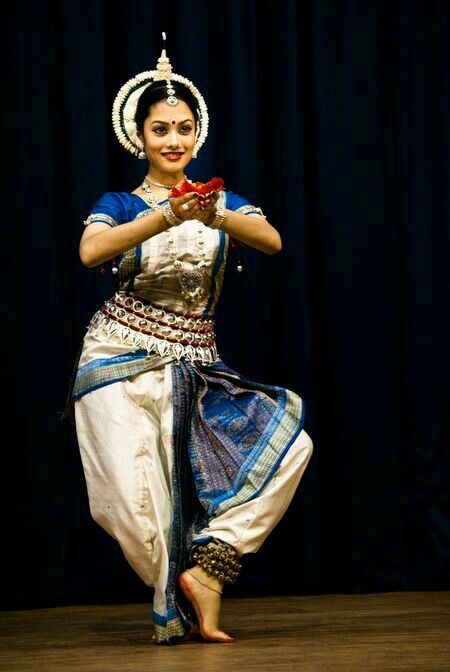
When you think of Indian classical dance, your mind immediately dances along with jingling ghungroos, flowing sarees, and intricate jewelry—but there’s one accessory that truly steals the show in Odissi dance: the Bengapatia, also known as Bengapatia Kamarband. You may have seen many waist belts, but this one? This one’s in a league of its own.
Let’s dive deep into the charm, heritage, craftsmanship, and cultural significance of this dazzling traditional waist belt.
Introduction to Bengapatia
The Bengapatia is a traditional waist belt worn by Odissi dancers. It wraps around the waist, keeping the saree perfectly secured while adding a touch of elegance that amplifies the dancer’s every movement.
What Makes Bengapatia Unique?
Unlike modern waist belts, the Bengapatia is handcrafted using:
- Intricate silver filigree work
- Multiple silver motifs
- Three-layered ornamental structure
- A strong red cord binding
These elements come together to create a piece that is both functional and breathtakingly beautiful.
A Perfect Blend of Art and Utility
Think of it like this: if the Odissi sari is the canvas, the Bengapatia is the golden frame that completes the masterpiece.
Historical Significance of
Roots in Ancient Odissi Culture
Odissi dance dates back over 2,000 years, and has always been an integral part of the dance costume. Historically, temple dancers—Maharis—wore these belts during ritual dances performed in Odisha’s grand temples.
Evolution Through the Centuries
Earlier versions were made of solid silver, but over time, artisans introduced:
- Filigree patterns
- Motif layering
- Lightweight design techniques
This turned Bengapatia from a simple belt into a piece of wearable art.
The Craftsmanship Behind
If you’ve ever held a silver filigree ornament, you know how delicate and captivating it looks. Bengapatia takes this finesse to another level.
Silver Filigree Work: A Heritage Craft
In Odisha, filigree (locally known as Tarakasi) has been practiced for centuries. It involves twisting thin silver wires to create lace-like patterns.
How Filigree Artisans Shape Each Motif
The process includes:
- Melting silver
- Drawing it into ultra-thin wires
- Twisting and shaping the wires into motifs
- Soldering them onto frames
Each motif is crafted by hand—no machines, no shortcuts.
The Iconic Three-Layered Design
Most Bengapatias feature:
- Three rows of motifs
- A blend of coins, floral designs, and ornamental patterns
- Symmetrical arrangement for visual harmony
The Role of the Red Cord
The motifs are tied together with a red thread or cord, which symbolizes:
- Strength
- Protection
- Energy
It ends with a secure knot at the back of the dancer’s waist.
Features and Structure of the
Free Size Flexibility
One of the best things about Bengapatia? Anyone can wear it—kids, adults, beginners, or professionals.
Weight & Comfort (100–150 Grams)
Even with all the detailing, Bengapatia typically weighs only 100 to 150 grams, making it comfortable during long performances.
Durability & Design Longevity
Silver is known for its long life. With proper maintenance, a Bengapatia can last generations—just like the dance form itself.
in Odissi Dance
Enhancing Saree Security While Performing
Odissi dancers move with:
- Bends
- Spins
- Poses
The belt ensures the saree stays firmly in place—no slips, no shifts.
Adding Grace to Torso Movements
The ornamentation accentuates:
- Waist bends
- Hip movements
- Torso rotations
Every silver highlight catches the stage light beautifully.
Completing the Traditional Dance Costume
Just like ghungroos complete the feet, Bengapatia completes the torso. Without it, the costume feels incomplete.
Cultural Symbolism of
Representation of Elegance and Femininity
The delicate patterns embody:
- Grace
- Beauty
- Feminine energy
Connection to Odisha’s Artistic Identity
Bengapatia represents the soul of Odishan craftsmanship and stands proudly among other classical jewelry pieces like:
- Mathami
- Belts
- Armlets
- Chokers
Modern Adaptation of
Use in Contemporary Dance Performances
Fusion dancers now pair Bengapatia with:
- Lehengas
- Indo-western outfits
- Traditional sarees for stage shows
Fashion Fusion: Beyond Classical Dance
Today, designers use Bengapatia motifs in:
- Runway fashion
- Bridal wear
- Photoshoots
It’s no longer limited to Odissi dancers.
How to Choose a High-Quality
Checklist for Beginners
Look for:
- Authentic silver filigree work
- Strong red cord
- Smooth edges
- Three-layered design
Craftsmanship, Weight, and Authentic Material
Make sure the belt has:
- Consistent handiwork
- Weight between 100–150 grams
- Pure silver elements
Maintenance Tips for
Cleaning and Polishing Silver Filigree
Use:
- Mild soap
- Soft brush
- Microfiber cloth
Avoid harsh chemicals, as filigree is delicate.
Storage and Protection
Store in:
- A soft cloth pouch
- Anti-tarnish bags
Keep away from moisture and perfumes.
Where to Buy Authentic
Artisan Markets in Odisha
Some of the best places include:
- Cuttack (famous for Tarakasi)
- Bhubaneswar handicraft markets
- Craft melas and exhibitions
Reputed Online Handicraft Stores
Handmade platforms and Odissi dance costume stores offer authentic pieces with certification.
Conclusion
The isn’t just a waist belt—it’s a story, a heritage, and a symbol of elegance in Odissi dance. With its intricate silver filigree, lightweight structure, and deep cultural roots, this traditional kamarband beautifully blends art with function. Whether worn during a classical performance or paired with modern attire, the continues to shine as a masterpiece of craftsmanship and tradition.
FAQs
1. What is used for?
It is used to secure the saree and enhance the dancer’s waist movements during Odissi performances.
2. Is made only from silver?
Traditionally yes, it is crafted from silver filigree, though modern versions can include mixed metals.
3. Can children wear ?
Yes! Its free-size design makes it suitable for dancers of all ages.
4. How heavy is a typical ?
Usually between 100 to 150 grams, making it lightweight and comfortable.
5. How do I maintain a silver ?
Clean gently with mild soap, store in anti-tarnish cloth, and avoid moisture or perfumes.
