
Table 1: Article Outline
Table of Contents
| Heading Level | Section Title |
|---|---|
| H1 | Bajuband (Tayita): The Traditional Odia Armlet Worn in Odissi Dance |
| H2 | Introduction |
| H2 | Understanding the Cultural Roots of Odia Traditions |
| H3 | Dhanu Jatra – The World’s Largest Open-Air Theatre |
| H3 | How Dance and Jewellery Become One in Odisha |
| H2 | What is Bajuband or Tayita? |
| H3 | Symbolism of the Armlet in Odia Culture |
| H3 | Why Odissi Dancers Wear Bajuband |
| H2 | Key Characteristics of the Bajuband |
| H3 | Adjustable Fit and Flexible Design |
| H3 | Intricate Craftsmanship |
| H2 | Three Main Types of Bajuband (Tayita) |
| H3 | Type 1: The Plain Solid Armlet with Red Cord |
| H4 | Design Features |
| H4 | Cultural Significance |
| H3 | Type 2: Multi-Line Silver Motif Armlets |
| H4 | With Filigree Work |
| H4 | Without Filigree Work |
| H3 | Type 3: Central Motif Armlet Crafted Entirely in Filigree |
| H4 | Matching the Long Necklace |
| H4 | Why This Type is Considered the Finest |
| H2 | Filigree Art of Odisha and Its Influence on Bajuband |
| H3 | Introduction to Tarakasi Craft |
| H3 | Why Filigree Makes Odia Jewellery Unique |
| H2 | Role of Bajuband in Odissi Dance Costumes |
| H3 | Enhancing Graceful Arm Movements |
| H3 | Adding Royal Aesthetics to the Dancer’s Persona |
| H2 | How Bajuband Completes the Odissi Look |
| H3 | Paired with Traditional Necklaces and Headgear |
| H3 | Importance in Stage Performances |
| H2 | The Making of a Traditional Bajuband |
| H3 | Tools and Materials Used |
| H3 | Skilled Artisans Behind the Craft |
| H2 | Modern-Day Use of Bajuband Beyond Odissi |
| H3 | Bridal Wear |
| H3 | Contemporary Fashion Adaptations |
| H2 | Tips for Choosing an Authentic Bajuband |
| H3 | Checking Craftsmanship |
| H3 | Selecting the Right Size and Style |
| H2 | Conclusion |
| H2 | FAQs |
Table 2: Article
Bajuband (Tayita): The Traditional Odia Armlet Worn in Odissi Dance
Introduction
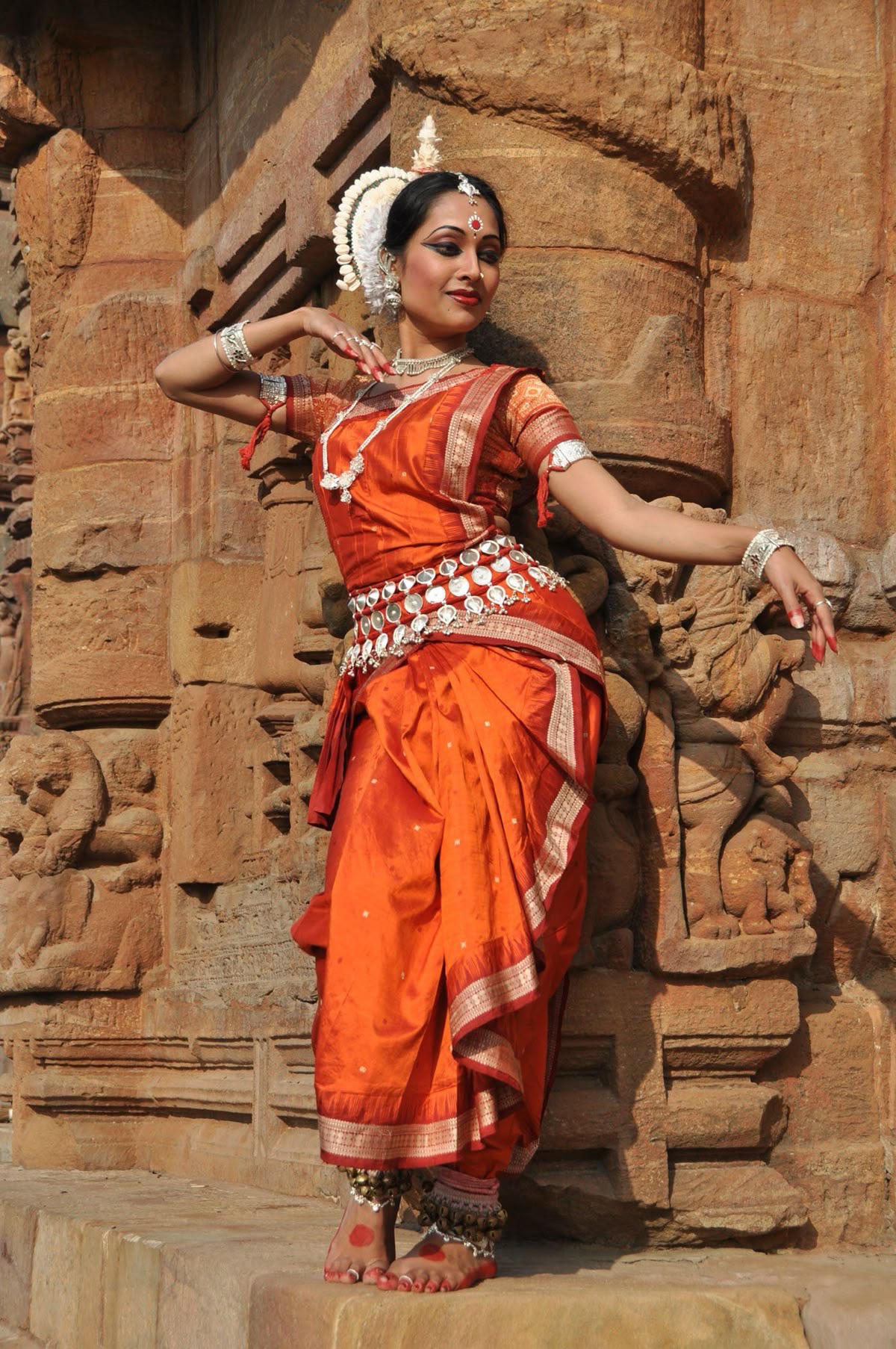
Jewelry in India isn’t just accessory — it is emotion, heritage, and identity. And when we talk about Odisha, the land of temples, art, and ancient traditions, every ornament tells a story rooted deep in culture. Among these treasures is the Bajuband, also known as Tayita, a beautiful armlet worn gracefully by Odissi dancers.
This article dives into the traditional, cultural, and aesthetic importance of the Bajuband — from its three unique types to its role in Odissi dance and the famous Dhanu Jatra festival.
Understanding the Cultural Roots of Odia Traditions
Dhanu Jatra – The World’s Largest Open-Air Theatre
Odisha is home to Dhanu Jatra, held in Bargarh. This 11-day grand festival is officially recognized as the world’s largest open-air theatre. The entire town transforms into a living stage depicting episodes from Krishna and Kansa’s life.
During this celebration, traditional dances and performances take place — and many dancers adorn themselves with Odia jewellery including the Bajuband.
How Dance and Jewellery Become One in Odisha
In Odisha, jewellery isn’t merely ornamentation. It is a storyteller, a cultural marker, and an extension of the art form. In Odissi dance, each piece of jewellry — from Matha Patti to Kamarbandh — enhances the grace of the dancer’s movement. The Bajuband is especially important because it beautifully highlights arm postures and mudras.
What is Bajuband or Tayita?
The Bajuband is a traditional armlet worn on the upper arm. In Odia culture, it is known as Tayita, and it holds both aesthetic and spiritual value.
Symbolism of the Armlet in Odia Culture
In many cultures, the armlet symbolizes protection, strength, and beauty. In Odisha, Tayita represents auspiciousness and is often worn during ceremonies, rituals, and dance performances.
Why Odissi Dancers Wear Bajuband
Odissi dance involves fluid arm movements, subtle wrist circles, and graceful poses. The Bajuband:
- Adds visual emphasis to the arms
- Enhances the symmetry of the costume
- Reflects stage lighting beautifully
- Provides a classical, divine look
Key Characteristics of the Bajuband
Adjustable Fit and Flexible Design
One of the most thoughtful features of the Bajuband is its adjustability. Whether worn by a child or an adult performer, it can be fit securely because:
- It usually comes with a tie-string or adjustable band
- Some versions use a red cotton cord
- The metal is shaped to comfortably hug the arm
Intricate Craftsmanship
Odia jewellery is known for its intricate designs and handcrafted finesse. Even the simplest Bajuband carries:
- Soft curves
- Carved patterns
- Symmetry
- A balanced aesthetic
Three Main Types of Bajuband (Tayita)
Type 1: The Plain Solid Armlet with Red Cord
Design Features
This version is simple yet elegant. It consists of:
- A solid metal band
- No filigree or ornamental detailing
- A red cord on both sides
- A tie-on mechanism for securing it around the arm
Cultural Significance
This type is widely used in Odissi dance practice sessions, temple performances, and rituals. It symbolizes humility and purity.

Type 2: Multi-Line Silver Motif Armlets
This type includes 2 to 4 rows of motifs and is more decorative than the plain version.
With Filigree Work
Motifs are crafted using Tarakasi (filigree), giving the armlet:
- A delicate lace-like texture
- Miniature floral or geometric patterns
- Lightweight but detailed design
Without Filigree Work
These are heavier, simpler, and have:
- Plain silver motifs
- Minimal carving
- More emphasis on structure than decoration
Type 3: Central Motif Armlet Crafted Entirely in Filigree
This is the most premium and elaborate variety of Bajuband.
Matching the Long Necklace
The central motif is designed to match larger Odissi necklaces such as:
- Guna
- Belapati
- Mathsari
This creates a uniform and royal appearance.
Why This Type is Considered the Finest
Because it includes:
- Detailed Tarakasi work
- A bold central design
- Superior craftsmanship
- Rich traditional symbolism
This type is worn during major Odissi performances, temple stage shows, and high-profile cultural festivals.
Filigree Art of Odisha and Its Influence on Bajuband
Introduction to Tarakasi Craft
Tarakasi is Odisha’s legendary silver filigree craft, practiced mostly in Cuttack. Craftsmen draw out fine silver wires and twist, coil, and solder them into intricate shapes.
Why Filigree Makes Odia Jewellery Unique
Filigree adds:
- Lightweight elegance
- Airy patterns
- Royal detailing
- An unmistakable Odia touch
Most high-end Bajuband pieces reflect this exquisite craftsmanship.
Role of Bajuband in Odissi Dance Costumes
Enhancing Graceful Arm Movements
The armlet catches audience attention as the dancer performs:
- Tribhangi poses
- Mudras
- Swirling arm movements
It creates a visual rhythm.
Adding Royal Aesthetics to the Dancer’s Persona
Odissi dancers embody divine characters — Radha, Krishna, Gopis, and celestial beings. The Bajuband reinforces this divine aura.
How Bajuband Completes the Odissi Look
Paired with Traditional Necklaces and Headgear
The Bajuband is coordinated with:
- Matha Patti
- Kapa ornaments
- Chandra and Surya motifs
- Detailed necklaces
It brings balance and harmony to the costume.

Importance in Stage Performances
Under stage lights, the armlets shimmer and enhance:
- Expression
- Movement
- Storytelling
The Making of a Traditional Bajuband
Tools and Materials Used
Craftsmen use:
- Pure silver or brass
- Filigree wires
- Small pliers
- Blowpipes
- Molds and shaping tools
Skilled Artisans Behind the Craft
Each piece can take hours or days depending on design intricacy. These skills have been passed down through generations, making Odia jewellery truly priceless.
Modern-Day Use of Bajuband Beyond Odissi
Bridal Wear
Modern Odia brides sometimes pair Tayita with:
- Temple jewelry
- Silk sarees
- Gold bridal sets
It adds a cultural and regal touch.
Contemporary Fashion Adaptations
Designers are reimagining Bajuband for:
- Fashion shows
- Fusion outfits
- Boho looks
Silver oxidized versions are especially popular among young buyers.
Tips for Choosing an Authentic Bajuband
Checking Craftsmanship
Always look for:
- Symmetry
- Smooth finish
- Strong structure
- Well-done filigree work
Selecting the Right Size and Style
Choose based on:
- Occasion
- Outfit
- Comfort
- Cultural relevance
Conclusion
The Bajuband (Tayita) is more than just jewellery — it is a symbol of Odisha’s cultural pride, artistic legacy, and the graceful beauty of Odissi dance. Whether plain, motif-based, or purely filigree, each type speaks of skilled craftsmanship and timeless tradition. Today, while the world modernizes, this traditional armlet continues to shine in classical performances, festivals like Dhanu Jatra, and even contemporary fashion.
FAQs
1. What is the meaning of Bajuband in Odisha?
It is a traditional armlet known as Tayita, symbolizing beauty, strength, and auspiciousness.
2. How many types of Bajuband are used in Odissi dance?
There are three main types — plain solid type, multi-line motif type, and a filigree-based central motif type.
3. Which festival in Odisha features Odissi performances with Bajuband?
Dhanu Jatra in Bargarh, the world’s largest open-air theatre.
4. Is Bajuband only used in classical dance?
No, it is also used in bridal fashion and modern jewelry trends.
5. What makes Odia Bajuband unique?
Its filigree craftsmanship (Tarakasi) and deep cultural connection to Odissi dance.
| Website Name | Purpose | External Link |
|---|---|---|
| Wikipedia – Odissi Dance | Information about classical Odissi dance | https://en.wikipedia.org/wiki/Odissi |
| Incredible India | Govt. of India cultural tourism page | https://www.incredibleindia.org/ |
| CraftCouncil.org | Info on Indian handmade crafts | https://www.craftcouncil.org/ |
| Culture Trip – India | Articles on Indian culture & traditions | https://theculturetrip.com/india |
| National Handicrafts Museum | Details on India’s traditional crafts | http://nationalmuseumindia.gov.in/ |
| Odisha Tourism | Tourism, art, festivals, culture of Odisha | https://odishatourism.gov.in/ |
