
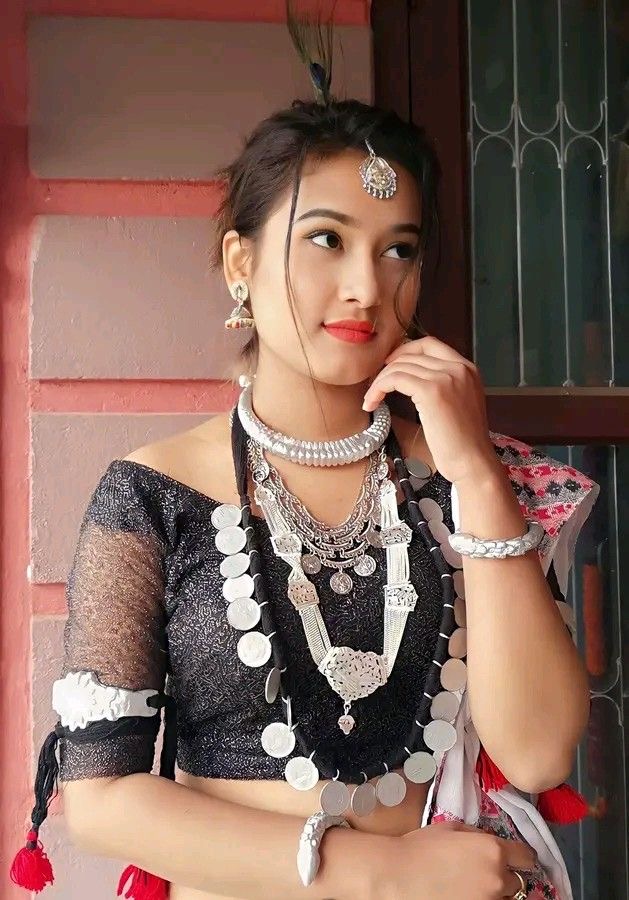
Table 1: Outline of the Article
Table of Contents

| Heading Level | Heading |
|---|---|
| H1 | The Timeless Beauty of Tad Jewellery from Jharkhand |
| H2 | Introduction: The Land of Warmth and Craftsmanship |
| H2 | The Origin and Meaning of Tad Jewellery |
| H3 | The Cultural Significance of Tad in Jharkhand’s Tribal Life |
| H3 | How Nature Inspires Tribal Artistry |
| H2 | The Making of Tad Jewellery |
| H3 | Materials Used in Crafting Tad |
| H3 | The Intricate Process of Shaping the Spiral Design |
| H4 | The Role of Palm Trees in Tribal Craftsmanship |
| H2 | Design and Structure of Tad Bangles |
| H3 | The Unique Spiral Shape and Hollow Design |
| H3 | Symbolism Behind the Tad’s Form |
| H2 | Who Wears the Tad and When |
| H3 | Traditional Use Among Tribal Women |
| H3 | Modern Interpretations of Tad Jewellery |
| H2 | Weight, Texture, and Comfort |
| H3 | Why the Tad Is Light Yet Striking |
| H2 | Tad as a Cultural Symbol |
| H3 | Spiritual and Social Value in Tribal Communities |
| H3 | The Tad as a Symbol of Strength and Beauty |
| H2 | The Modern Revival of Tad Jewellery |
| H3 | Fashion Designers and Urban Influences |
| H3 | Tad in Global Jewellery Trends |
| H2 | Styling Tips: How to Wear Tad with Modern Outfits |
| H3 | Pairing Tad with Traditional Wear |
| H3 | Mixing Tad with Fusion and Western Styles |
| H2 | Sustainability and Eco-Friendliness of Tad Craft |
| H3 | How Tad Reflects Green Craftsmanship |
| H2 | The Future of Tad Jewellery |
| H3 | Preserving the Tribal Heritage |
| H3 | Empowering Local Artisans |
| H2 | Conclusion |
| H2 | FAQs |
Table 2: Article
The Timeless Beauty of Jewellery from Jharkhand
Introduction: The Land of Warmth and Craftsmanship
Jharkhand — a land known for its warm weather, dense forests, and vibrant tribal culture — has always been a treasure trove of handmade crafts. Among the many unique creations that reflect the spirit of this state, one ornament stands out for its simplicity and charm — Jewellery.
Made from the humble palm tree, the is more than just a bangle. It’s a symbol of beauty, creativity, and the connection between nature and the tribal people who live harmoniously with it.
The Origin and Meaning of Jewellery
The Cultural Significance of in Jharkhand’s Tribal Life
In the heart of Jharkhand’s tribal villages, jewellery isn’t merely decorative — it tells stories of identity, tradition, and belonging. The , a spiral-shaped ornament, is one such creation that has been worn for generations by tribal women.
It represents not only femininity but also the circle of life — continuous, unbroken, and ever-evolving, much like the traditions of the tribes themselves.
How Nature Inspires Tribal Artistry
For Jharkhand’s indigenous artisans, nature is the ultimate teacher. Palm trees, which grow abundantly in the warm climate, provide material for baskets, mats, and yes — jewellery like . What’s fascinating is how these artisans transform something so ordinary into something extraordinary using age-old techniques passed down through generations.

The Making of Jewellery
Materials Used in Crafting
Traditionally, dried palm leaves and natural fibers are used to create bangles. These materials are lightweight, durable, and easy to shape. In modern times, some artisans have started incorporating metals or bronze-inspired finishes to give the Tad a contemporary look while preserving its original essence.
The Intricate Process of Shaping the Spiral Design
The spiral design isn’t random. It takes careful twisting and layering to achieve that perfect coil that fits snugly from wrist to elbow. Artisans shape it while the palm material is still moist, allowing it to bend without cracking.
The Role of Palm Trees in Tribal Craftsmanship
Palm trees are more than resources — they’re life-givers. Every part of the tree serves a purpose, from shelter-making to food to ornamentation. Using the palm for jewellery shows how sustainability was deeply rooted in tribal culture long before the modern world made it a trend.
Design and Structure of Bangles
The Unique Spiral Shape and Hollow Design
One of the most eye-catching features of the Tad is its hollow spiral structure. This not only makes it light but also gives it a bold, voluminous appearance — perfect for festive occasions. The hollow inside creates a balance between weight and size, making it comfortable to wear for hours.
Symbolism Behind the Tad’s Form
The continuous spiral represents life’s continuity, resilience, and renewal. Just like the seasons change yet return again, the Tad embodies the rhythm of life, nature, and femininity.
Who Wears the and When
Traditional Use Among Tribal Women
Tribal women in Jharkhand traditionally wear on their right hand, starting from the wrist and extending up to the elbow. It’s often worn during festivals, community gatherings, and marriage ceremonies. The not only enhances beauty but also carries social and cultural significance, symbolizing womanhood and prosperity.
Modern Interpretations of Jewellery
In today’s time, has crossed the boundaries of tribal culture and entered the mainstream fashion scene. Modern women wear it as a statement piece, pairing it with sarees, kurtas, or even bohemian western outfits. The rustic, earthy aesthetic of Tad blends beautifully with both ethnic and modern styles.
Weight, Texture, and Comfort
Why the Is Light Yet Striking
Despite its size, the is surprisingly comfortable. Weighing between 100 and 200 grams, it feels light on the arm but looks grand. Its smooth, polished texture adds elegance while maintaining its handcrafted charm.
as a Cultural Symbol
Spiritual and Social Value in Tribal Communities
Among the tribal groups of Jharkhand, jewellery like Tad isn’t just about looks. It carries spiritual energy and symbolizes the wearer’s connection with the earth and ancestral roots. Wearing Tad is believed to bring harmony and balance, aligning one’s energy with nature.
The as a Symbol of Strength and Beauty
Much like the women who wear it, the Tad is strong yet graceful. It tells the story of resilience — of women who continue to nurture, create, and preserve traditions in a changing world.
The Modern Revival of Tad Jewellery
Fashion Designers and Urban Influences
Today, designers and cultural revivalists are bringing Tad back into the spotlight. From runway collections to heritage exhibitions, Tad-inspired jewellery is gaining appreciation for its organic beauty and eco-friendly materials.
in Global Jewellery Trends
The world is slowly recognizing the value of handcrafted tribal art. jewellery represents a perfect fusion of traditional craftsmanship and sustainable design — two values that resonate globally today.
Styling Tips: How to Wear with Modern Outfits
Pairing with Traditional Wear
If you’re attending a festival or cultural event, pair your with a saree or tribal-inspired attire. The earthy tones of complement cotton, silk, or khadi fabrics perfectly.
Mixing with Fusion and Western Styles
Want to give your western outfit an ethnic twist? Try wearing a bangle with an off-shoulder top or maxi dress. It adds an artsy, boho touch — perfect for creative souls and free spirits.
Sustainability and Eco-Friendliness of Craft
How Reflects Green Craftsmanship
In an age dominated by synthetic materials, jewellery stands as a symbol of eco-conscious design. Made from renewable palm resources, it leaves minimal environmental footprint — a beautiful reminder that elegance can be sustainable too.
The Future of Jewellery
Preserving the Tribal Heritage
The biggest challenge today is ensuring that traditional artisans receive recognition and support. Promoting Tad jewellery helps preserve tribal artistry and inspires younger generations to take pride in their roots.
Empowering Local Artisans
By supporting craftsmen, we not only preserve art but also uplift entire communities. Every sold tells a story — of skill, patience, and the enduring legacy of Jharkhand’s tribes.
Conclusion
The jewellery of Jharkhand is more than just an ornament — it’s a bridge between the past and the present, between nature and art, between tradition and modernity. From tribal women to fashion-forward youth, the Tad continues to spin its spiral of beauty across generations.
Next time you see one, remember — it’s not just jewellery. It’s a story wrapped around your arm.
FAQs
1. What is jewellery made of?
Traditionally, is made from dried palm leaves or fibers, though modern versions may include metal or bronze finishes for durability.
2. Who traditionally wears jewellery?
Tad is worn by tribal women in Jharkhand, especially during festivals and ceremonies, mainly on their right hand from wrist to elbow.
3. Is jewellery heavy to wear?
Not at all! It’s hollow and lightweight, weighing around 100–200 grams, making it both stylish and comfortable.
4. Can be paired with modern outfits?
Absolutely. It looks stunning with both ethnic wear and western outfits, adding a touch of natural elegance and cultural pride.
5. Why is considered eco-friendly?
Because it’s crafted from renewable palm materials and made by hand, represents sustainable and environmentally responsible fashion.
| Website Name | Description | External Link |
|---|---|---|
| India Handmade | Government initiative promoting India’s traditional handicrafts and handlooms. | Visit India Handmade |
| Crafts Council of India | Non-profit organization preserving and promoting India’s craft heritage. | Crafts Council of India |
| Incredible India | Official tourism website highlighting Indian states, including Jharkhand’s art and culture. | Incredible India – Jharkhand |
| Tribes India | Official e-commerce platform by TRIFED, showcasing authentic tribal art and jewellery. | Shop on Tribes India |
| Cultural India (CulturalIndia.net) | Portal sharing stories about Indian art, jewellery, festivals, and heritage. | Explore Cultural India |
| National Handicrafts Development Corporation (NHDC) | Government body supporting artisans and craft clusters across India. | Learn More at NHDC |
| Textiles of India – Ministry of Textiles | Information hub for India’s textile and jewellery crafts. | Ministry of Textiles |
| Smithsonian Folklife | Global platform documenting traditional crafts and indigenous jewellery. | Smithsonian Folklife |