
🪶 Table 1: Outline of the Article
Table of Contents

| Heading Level | Heading |
|---|---|
| H1 | The Divine Origin of the Bengali Topor: From Lord Shiva to Today’s Grooms |
| H2 | Introduction: The Crown That Connects Mythology and Marriage |
| H2 | The Mythical Beginning: Lord Shiva and the First Crown |
| H3 | Vishvakarma and the Failed Attempt |
| H3 | The Arrival of Malakar: The Shola Craftsman |
| H2 | The Birth of the Topor: A Gift of Purity |
| H3 | The Use of Sholapith: The Sacred Spongewood |
| H3 | The Divine Inspiration Behind the Design |
| H2 | Who Are the Malakars? The Traditional Artisans of Shola |
| H3 | The History and Heritage of the Malakar Community |
| H3 | The Tools and Techniques Used by Malakars |
| H2 | The Structure and Design of the Bengali Topor |
| H3 | Materials Used in Crafting |
| H3 | Symbolism of Colors and Shapes |
| H3 | Traditional Patterns and Motifs |
| H2 | The Cultural Importance of Topor in Bengali Weddings |
| H3 | Rituals Involving the Topor |
| H3 | The Spiritual Meaning of Wearing the Topor |
| H2 | The Science and Symbolism Behind Shola |
| H3 | The Eco-Friendly and Lightweight Nature of Shola |
| H3 | Why Shola Represents Purity and Prosperity |
| H2 | The Ritual of Immersing the Topor in Water |
| H3 | Why It’s Done and What It Means |
| H3 | The Belief About Burning the Topor |
| H2 | Variations of the Topor Across Bengal |
| H3 | Regional Differences in Shape and Decoration |
| H3 | Modern vs. Traditional Topors |
| H2 | How Topor Complements the Bengali Bride’s Mukut |
| H3 | The Balance of Equality in Bengali Weddings |
| H3 | A Symbol of Respect Between Bride and Groom |
| H2 | The Decline and Revival of the Topor Tradition |
| H3 | Urbanization and the Loss of Handmade Craft |
| H3 | Revival Through Social Media and Wedding Influencers |
| H2 | The Topor Beyond Weddings: Symbol of Identity and Art |
| H3 | How Artists Use Shola in Modern Art Installations |
| H3 | Cultural Exhibitions Showcasing Shola Craft |
| H2 | Conclusion: A Crown That Transcends Time |
| H2 | FAQs |
🪶 Table 2: The Article
The Divine Origin of the Bengali Topor: From Lord Shiva to Today’s Grooms
Introduction: The Crown That Connects Mythology and Marriage
Have you ever wondered where the beautiful white crown worn by Bengali grooms comes from? That delicate, ornamental headgear — called the Topor — is not just a wedding accessory. It’s a sacred connection between divine mythology and Bengali craftsmanship.
The story goes that this tradition began during the time of Lord Shiva himself. Yes, you read that right! The very first Topor is said to have been designed for Lord Shiva’s own wedding. And since then, it has become a timeless emblem of purity, prosperity, and love.
The Mythical Beginning: Lord Shiva and the First Crown
Vishvakarma and the Failed Attempt
According to ancient legends, when Lord Shiva decided to marry Goddess Parvati, he desired a special crown — something unique that symbolized divinity and grandeur. Naturally, he turned to Vishvakarma, the celestial architect known for crafting palaces and weapons for the gods.
However, there was a twist — Vishvakarma specialized in hard materials like metal, stone, and gems. He tried to create a crown, but none of his designs captured the softness and purity Shiva envisioned for this sacred union.
The Arrival of Malakar: The Shola Craftsman
Then came Malakar, a young and talented artist known for working with an unusual material — Shola, a milky-white pith derived from the spongewood plant. Using this light, soft, and pure material, Malakar created a masterpiece — the very first Topor.
Shiva was so pleased that he blessed Malakar and declared that this crown would forever be a part of sacred Bengali marriages — a divine symbol of blessings and new beginnings.
The Birth of the Topor: A Gift of Purity
The Use of Sholapith: The Sacred Spongewood
The Topor is made from Sholapith — a spongy, lightweight substance obtained from the Aeschynomene aspera plant, also called Indian cork tree. The material is naturally white, soft, and easy to shape, making it ideal for intricate designs.
The Divine Inspiration Behind the Design
Shola was believed to be a pure and sacred element — untouched by sin or impurity. Its natural whiteness represented peace and spiritual purity, aligning perfectly with the sanctity of a wedding. That’s why every Topor, even today, is kept pristine white — just like the spirit of a new beginning.
Who Are the Malakars? The Traditional Artisans of Shola
The History and Heritage of the Malakar Community
The word Malakar comes from “Mala” (garland) and “Kar” (maker). Historically, Malakars were artisans who made floral garlands and decorations for temples and festivals. Over time, they became the exclusive creators of Topors and other Shola-based crafts in Bengal.
Their work is deeply rooted in devotion — each Topor they craft is not just art but an offering to the divine.
The Tools and Techniques Used by Malakars
The primary tool used by these craftsmen is called Kath, a sharp knife used to carve fine patterns on the fragile Shola sheets. The process demands patience, precision, and years of practice.
From cutting and shaping to engraving floral motifs, each Topor is a blend of tradition and craftsmanship passed through generations.

The Structure and Design of the Bengali Topor
Materials Used in Crafting
Traditionally, a Topor is made from pure Sholapith, occasionally supported with paper or bamboo frames for structure. In some modern versions, artificial materials are used for durability, but purists still prefer natural Shola.
Symbolism of Colors and Shapes
White represents purity and peace, while the red accents symbolize love and fertility. The crown-like shape signifies the groom’s divine role on his wedding day — as the king of the ceremony.
Traditional Patterns and Motifs
Common motifs include floral petals, spirals, and conch shell patterns. Each design is unique, often customized for the groom, making every Topor a one-of-a-kind piece of art.
The Cultural Importance of Topor in Bengali Weddings
Rituals Involving the Topor
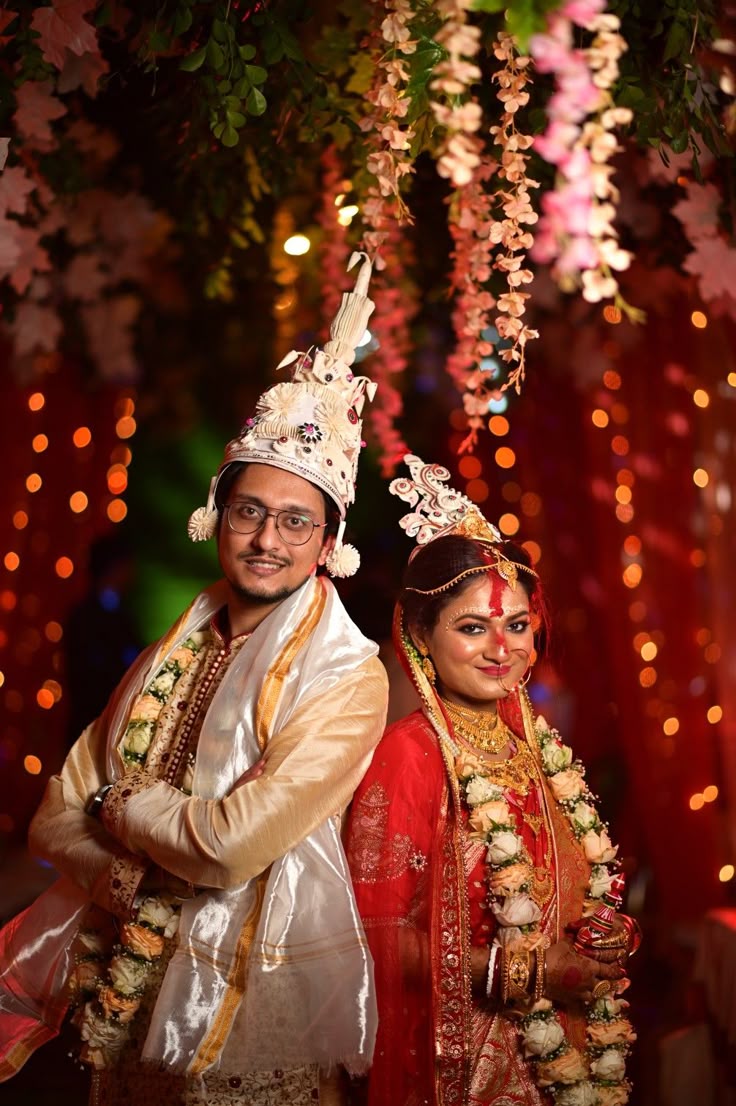
In a Bengali wedding, the groom wears the Topor from the moment he begins the wedding rituals until the sacred vows are exchanged. The bride wears her own headpiece, called Mukut. Together, they symbolize balance and equality in marriage.
The Spiritual Meaning of Wearing the Topor
Wearing the Topor is believed to invoke divine blessings. It signifies humility, purity, and readiness to take on the sacred duties of married life — a reminder that the groom must lead with respect and devotion.
The Science and Symbolism Behind Shola
The Eco-Friendly and Lightweight Nature of Shola
One of the most fascinating aspects of Shola is its sustainability. It’s biodegradable, lightweight, and eco-friendly — centuries before “green fashion” became a trend.
Because of its softness, Shola allows intricate designs without the need for heavy tools or industrial processes — truly nature’s gift to artisans.
Why Shola Represents Purity and Prosperity
Shola grows in wetlands and rivers — areas considered sacred in Hindu belief. Its connection to water, life, and fertility makes it a symbol of prosperity and blessings in every Bengali household.
The Ritual of Immersing the Topor in Water
Why It’s Done and What It Means
Once the wedding is over, the Topor is not discarded but immersed in water — usually in a pond or river. This act symbolizes returning purity to nature, completing the sacred cycle of creation and dissolution.
The Belief About Burning the Topor
It’s considered inauspicious to burn the Topor. If it accidentally catches fire, it’s seen as a sign of bad luck for the couple. Water, being pure and life-giving, is believed to neutralize any negative energy.
Variations of the Topor Across Bengal
Regional Differences in Shape and Decoration
While the essence of the Topor remains the same, its shape can vary — taller crowns in North Bengal, flatter ones in South Bengal, and more ornate styles in Kolkata. Each region adds its own artistic flair.
Modern vs. Traditional
Today, you can find designer with pearl detailing or even LED accents for a modern touch. Yet, the traditional handmade Shola version remains the most cherished among purists and heritage lovers.
How Complements the Bengali Bride’s Mukut
The Balance of Equality in Bengali Weddings
In Bengali weddings, the and Mukut together represent the equal honor of the bride and groom. While the groom wears the Topor as a mark of dignity, the bride’s Mukut represents grace and divinity — a perfect harmony.
A Symbol of Respect Between Bride and Groom
The couple’s matching headpieces symbolize that marriage is not about hierarchy but mutual respect — both are divine halves of one soul.
The Decline and Revival of the Tradition
Urbanization and the Loss of Handmade Craft
As mass-produced wedding accessories took over, handmade Shola crafts began to fade. Many Malakars struggled to sustain their livelihood, and the art was at risk of being forgotten.
Revival Through Social Media and Wedding Influencers
Thankfully, the digital age revived interest in heritage crafts. Wedding photographers, influencers, and brands like Theridhisidhi are bringing back the spotlight to traditional Topors, inspiring young couples to embrace their roots.
The Beyond Weddings: Symbol of Identity and Art
How Artists Use Shola in Modern Art Installations
Modern artists are reimagining Shola — using it in sculptures, museum installations, and even home décor. Its versatility and eco-friendly nature have made it a favorite among contemporary creators.
Cultural Exhibitions Showcasing Shola Craft
From Kolkata to London, exhibitions showcasing Shola crafts are gaining global appreciation. The , once confined to marriage rituals, now stands as an ambassador of Bengali culture.
Conclusion: A Crown That Transcends Time
The Bengali is not just a wedding accessory — it’s a bridge between divine mythology, nature, and artistry. From the hands of the humble Malakars to the head of the groom, it carries blessings, purity, and the essence of love.
So the next time you see a groom wearing that delicate white crown, remember — it’s not just Shola. It’s a piece of history that began with Lord Shiva himself.
FAQs
1. What is the Bengali made of?
The is made of Sholapith, a soft, eco-friendly material derived from the spongewood plant.
2. Who makes the ?
The Malakar community — skilled artisans who specialize in Shola craft — have been making Topors for generations.
3. Why is the immersed in water after the wedding?
It symbolizes returning purity to nature and completing the sacred life cycle of creation and dissolution.
4. What happens if the burns accidentally?
It’s considered bad luck, as burning symbolizes destruction, while water immersion represents peace.
5. Is the still used in modern Bengali weddings?
Yes, absolutely! Many couples now proudly wear traditional handmade Topors, reviving this ancient and beautiful custom.
| Website Name | Description | External Link |
|---|---|---|
| Culture Trip | Learn about Bengali wedding customs and culture. | Visit Culture Trip |
| Vogue India | Explore the latest bridal jewelry trends inspired by Bengal. | Visit Vogue India |
| Wikipedia | Read the history and significance of Bengali weddings. | Visit Wikipedia |
| IndiaTimes | Discover unique Indian bridal ornaments and traditions. | Visit IndiaTimes |
| NDTV Swirlster | Find inspiration for gold-plated bridal jewelry in modern designs. | Visit NDTV Swirlster |
