
📑 Table 1: Outline of the Article
Table of Contents

| Heading Level | Outline |
|---|---|
| H1 | Rangbouhs Necklace: The Traditional Silver Coin Necklace of Tripura |
| H2 | Introduction |
| H2 | Origin of Rangbouhs |
| H3 | Connection with Maharaja Radha Kishore Dynasty |
| H3 | Adoption by Tribal Communities |
| H2 | The Jamatia Tribe and Their Cultural Jewelry |
| H3 | Who Are the Jamatia Tribe? |
| H3 | Role of Rangbouhs in Their Identity |
| H2 | Design and Craftsmanship of Rangbouhs |
| H3 | Materials Used |
| H4 | Silver as the Core Metal |
| H4 | Addition of Stones in Modern Variants |
| H3 | Weight and Structure |
| H2 | Symbolism Behind Rangbouhs |
| H3 | Protection for the Neck |
| H3 | Necklace as a Symbol of Prestige |
| H2 | Rangbouhs in Traditional Dance and Festivals |
| H3 | The Hojagiri Dance Connection |
| H3 | Ceremonial and Festive Wear |
| H2 | Transformation Through Generations |
| H3 | From Royal Court to Tribal Homes |
| H3 | Influence of Modern Trends |
| H2 | How Rangbouhs is Worn |
| H3 | Styling with Traditional Attire |
| H3 | Adaptation in Contemporary Fashion |
| H2 | Economic and Social Importance |
| H3 | Role in Local Craft Economy |
| H3 | Symbol of Cultural Pride |
| H2 | Preservation of the Heritage |
| H3 | Challenges in Modern Times |
| H3 | Efforts for Revival |
| H2 | Comparison with Other Tribal Necklaces in India |
| H3 | Similarities with Assamese Coin Necklaces |
| H3 | Distinctive Features of Rangbouhs |
| H2 | Why Rangbouhs is More Than Just Jewelry |
| H2 | Conclusion |
| H2 | FAQs |
📑 Table 2: Article
Rangbouhs Necklace: The Traditional Silver Coin Necklace of Tripura
Introduction
Have you ever wondered how jewelry can tell stories about culture, history, and survival? In the northeastern state of Tripura, one such ornament has stood the test of time — the Rangbouhs necklace. Made of shining silver coins and worn close to the neck, this traditional piece is far more than just a beauty accessory. It embodies royal legacy, tribal identity, and even an element of physical protection.
In this article, let’s dive into the world of Rangbouhs, exploring its origins, craftsmanship, symbolism, and place in the lives of Tripura’s people.
Origin of Rangbouhs
Connection with Maharaja Radha Kishore Dynasty
The story of Rangbouhs traces back to the rule of Maharaja Radha Kishore (1896–1909). During his reign, silver ornaments became popular symbols of wealth and prestige. Inspired by royal jewelry styles, silver coin necklaces gradually found their way into tribal communities, evolving into what we now call Rangbouhs.
Adoption by Tribal Communities
While the royals introduced the design, it was the Jamatia tribe of Tripura that embraced Rangbouhs wholeheartedly. Over time, it transformed from a symbol of aristocracy to a vital cultural ornament of tribal identity.
The Jamatia Tribe and Their Cultural Jewelry
Who Are the Jamatia Tribe?
The Jamatia are one of the major Tripuri tribes, known for their deep cultural roots, warrior history, and unique traditions. Their attire, lifestyle, and jewelry reflect a strong bond with their land and heritage.
Role of Rangbouhs in Their Identity
For the Jamatia women, Rangbouhs is not just an accessory — it’s a part of who they are. Worn during festivals, rituals, and especially the famous Hojagiri dance, it stands as a badge of tradition, pride, and continuity.
Design and Craftsmanship of Rangbouhs
Materials Used
Silver as the Core Metal
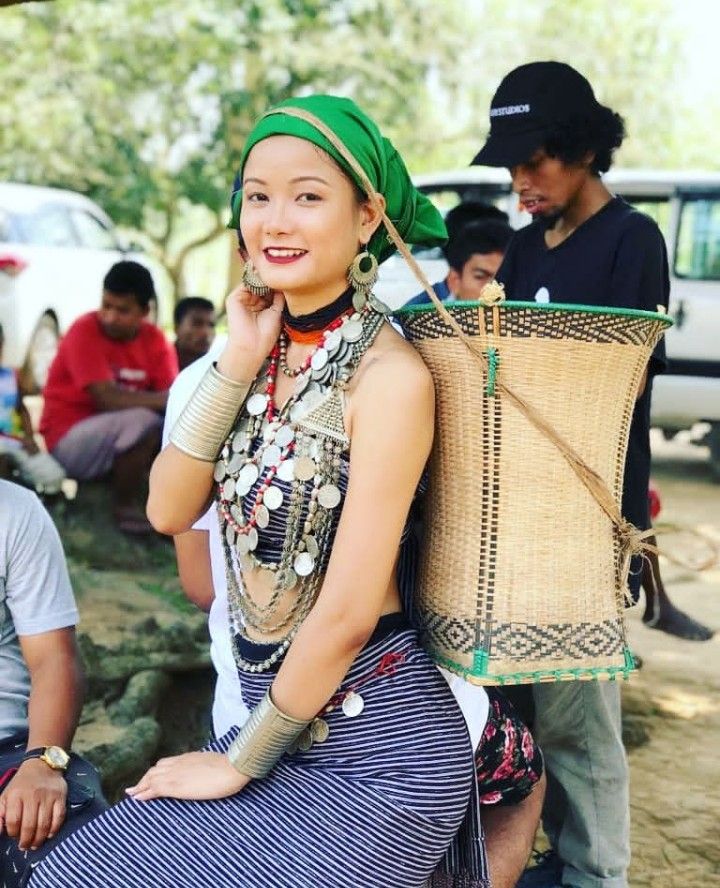
Traditionally, Rangbouhs is crafted from pure silver. Silver coins, carefully polished, are strung together to create a closely fitting necklace. Silver was chosen not just for beauty but also for its believed protective and healing qualities.
Addition of Stones in Modern Variants
In recent times, artisans have started embedding small colorful stones into the necklace, adding a contemporary touch while keeping the essence intact.
Weight and Structure
Rangbouhs typically weighs between 50–80 grams. Its snug design ensures it sits firmly against the neck, serving both as decoration and, historically, as a shield against attacks from wild animals in forested regions.

Symbolism Behind Rangbouhs
Protection for the Neck
One fascinating aspect of Rangbouhs is its functional symbolism. Designed to guard the neck, it was believed to protect the wearer from wild animal bites or injuries, making it both ornamental and practical.
Necklace as a Symbol of Prestige
Beyond protection, Rangbouhs became a marker of wealth and social standing. A heavier, more intricately designed necklace often indicated higher prestige within the tribe.
Rangbouhs in Traditional Dance and Festivals
The Hojagiri Dance Connection
If you’ve ever seen the graceful Hojagiri dance of Tripura, you might have noticed women balancing lamps, pitchers, or bottles while performing intricate moves. During this performance, Rangbouhs shines brightly against their attire, enhancing the beauty of the dancers while symbolizing cultural authenticity.
Ceremonial and Festive Wear
Apart from dance, Rangbouhs is worn during tribal ceremonies, weddings, harvest festivals, and community gatherings, making it an inseparable part of Tripuri celebrations.
Transformation Through Generations
From Royal Court to Tribal Homes
What began as a royal ornament soon became a cherished tribal possession. This journey reflects how traditions evolve, adapt, and become democratized over time.
Influence of Modern Trends
With changing times, jewelers have experimented with lighter versions of , sometimes mixing metals or adding beads, making it more accessible to younger generations.
How Rangbouhs is Worn
Styling with Traditional Attire
pairs beautifully with rignai (traditional wrap-around skirt) and risa (chest cloth) worn by Tripuri women. The combination creates a striking ethnic look that highlights both attire and jewelry.
Adaptation in Contemporary Fashion
Modern fashionistas sometimes style with sarees or fusion outfits, blending tribal heritage with urban chic. This adaptability has helped remain relevant even today.
Economic and Social Importance
Role in Local Craft Economy
The making and selling of support local silversmiths and artisans, sustaining traditional craft practices in Tripura.
Symbol of Cultural Pride
Owning a isn’t just about fashion — it’s about keeping a piece of history alive and celebrating tribal pride.
Preservation of the Heritage
Challenges in Modern Times
With machine-made jewelry flooding the markets, handmade faces the threat of decline. Younger generations, driven by fast fashion, sometimes overlook traditional jewelry.
Efforts for Revival
Cultural organizations and government initiatives are encouraging artisans to preserve this craft. Exhibitions, tribal fairs, and social media campaigns have helped bring back into the spotlight.
Comparison with Other Tribal Necklaces in India
Similarities with Assamese Coin Necklaces
shares similarities with Assamese coin-based jewelry, such as Junbiri and Dholbiri, which also use metallic motifs as central elements.
Distinctive Features of
However, unlike its Assamese counterparts, is worn snug against the neck, prioritizing both aesthetics and protection — a unique dual purpose.
Why is More Than Just Jewelry
When you think about it, is a living narrative. It’s not only a necklace but a protector, a storyteller, and a cultural symbol. From royal courts to tribal dances, from festivals to fashion ramps — bridges centuries of tradition with today’s style.
Conclusion
is proof that jewelry isn’t just about beauty — it’s about history, identity, and resilience. This silver coin necklace of Tripura has protected, adorned, and empowered generations, carrying with it stories of royalty, tribal pride, and cultural continuity. In a world racing toward modernity, reminds us to pause, look back, and cherish the ornaments of our heritage.
FAQs
Q1: What is made of?
Rangbouhs is traditionally made of silver coins, though modern versions sometimes include small decorative stones.
Q2: Which tribe in Tripura wears ?
The Jamatia tribe of Tripura is especially known for wearing Rangbouhs during dances and festivals.
Q3: What is the average weight of ?
It generally weighs between 50–80 grams, making it both sturdy and comfortable.
Q4: In which dance is commonly worn?
It is prominently worn during the famous Hojagiri dance of Tripura.
Q5: Why was considered protective?
Its snug silver design was believed to safeguard the neck from animal attacks, adding a practical dimension to its beauty.
| Website / Source | Link | Description |
|---|---|---|
| Wikipedia – Tripura | Tripura on Wikipedia | General cultural and historical background of Tripura. |
| Cultural India | Indian Tribal Jewelry | Overview of different tribal jewelry traditions in India. |
| Indiaculture.gov.in | Tribal Culture of India | Official Indian government portal on culture and heritage. |
| Northeast Today | Northeast India Tribal Lifestyle | Articles and insights on tribal life in Northeast India. |
| Scroll.in | Stories from Tribal Communities | Journalism platform with cultural and heritage stories, including tribal jewelry. |
| Tripura Tourism | Tripura Tourism Official Site | Government site highlighting cultural attractions of Tripura. |