
Table 1: Outline of the Article
Table of Contents

| Heading Type | Heading |
|---|---|
| H1 | The Tragic Tale of Nagaland’s Red Carnelian Necklace |
| H2 | Introduction |
| H2 | The Story of Anila |
| H3 | A Precious Gift from Her Mother |
| H3 | The Necklace Lost in the River |
| H3 | The Desperate Plea to Spirits |
| H2 | The Importance of Carnelian in Naga Society |
| H3 | Historical Records by J.P. Mills |
| H3 | Symbol of Wealth and Social Status |
| H2 | Why Carnelian Necklaces Were Highly Prized |
| H3 | A Necklace Worth a Cow |
| H3 | The Role in Dowry and Marriage |
| H2 | The Cultural Code Around Jewelry |
| H3 | Restrictions Without a Necklace |
| H3 | Social Shame and Exclusion |
| H2 | The Making of Carnelian Necklaces |
| H3 | Origins of Carnelian Stones |
| H3 | Bead Crafting and Stringing |
| H2 | Symbolism of Red in Naga Culture |
| H3 | Life, Vitality, and Power |
| H3 | Spiritual and Protective Associations |
| H2 | Jewelry and Spirit Beliefs |
| H3 | Jewelry as a Spiritual Medium |
| H3 | Rituals and Omens Linked to Ornaments |
| H2 | The Burden of Tradition |
| H3 | Pressure on Young Girls |
| H3 | How Identity Was Shaped by Beads |
| H2 | Remembering Anila Through Oral Traditions |
| H3 | Storytelling in Naga Villages |
| H3 | How Myths Preserve Cultural Memory |
| H2 | Tribal Parallels Beyond Nagaland |
| H3 | Assamese Carnelian Beads |
| H3 | Nepalese and Tibetan Connections |
| H2 | Why the Story Still Resonates Today |
| H3 | Jewelry as a Marker of Heritage |
| H3 | Lessons from the Tragic Necklace |
| H2 | Conclusion |
| H2 | FAQs |
Table 2: The Article
The Tragic Tale of Nagaland’s Red Carnelian Necklace
Introduction
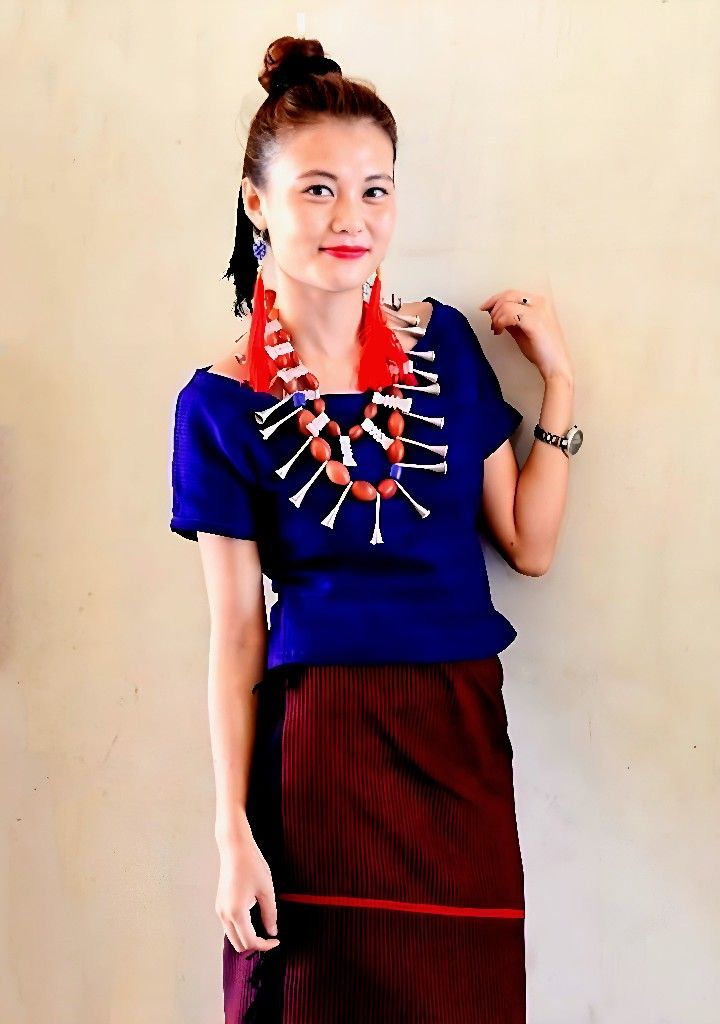
Every culture has jewelry that carries stories—not just of beauty, but of pride, struggle, and sometimes even tragedy. In Nagaland, one such ornament is the red carnelian bead necklace. To outsiders, it may look like just a string of red stones, but for Naga women, it symbolized wealth, honor, and marital worth.
And for one young girl named Anila, it became the very reason her life ended too soon. This article takes you through her story, the historical value of carnelian beads, and why this necklace mattered so much in Naga culture.
The Story of Anila
A Precious Gift from Her Mother
Anila grew up in a small Naga village. Like many young girls, she dreamed of owning a carnelian necklace. Her mother eventually gave her one—a chain of deep red beads that symbolized status and pride.
The Necklace Lost in the River
One day, while fetching water at the village river, Anila realized her precious necklace was missing. The beads had slipped away, swallowed by the current.
The Desperate Plea to Spirits
In despair, Anila is said to have cried out: “Spirits, take my life but return my red carnelian necklace.” According to village lore, she soon fell ill and died. People believed her plea was answered—the spirits took her life in exchange for the lost beads.
Her tragic tale shows how jewelry in Nagaland was tied not just to beauty, but to life itself.
The Importance of Carnelian in Naga Society

Historical Records by J.P. Mills
British anthropologist J.P. Mills recorded in 1937 and later in 1982 that a carnelian necklace was worth the price of a cow. He noted:
“Every girl dreams of owning one, or even two. A girl without it cannot wear cotton wool in her ears, nor cowrie-decorated cloth. Doing so would be shameful. If she brings necklaces in her dowry, her marriage value increases.”
Symbol of Wealth and Social Status
This necklace wasn’t just an ornament—it was an economic asset. Families with carnelian beads displayed wealth in a visible way.
Why Carnelian Necklaces Were Highly Prized
A Necklace Worth a Cow
Cattle were considered one of the most valuable possessions in tribal economies. For a necklace to equal that price shows just how rare and respected it was.
The Role in Dowry and Marriage
A bride with carnelian necklaces carried higher value. These beads could improve her marriage prospects, much like gold jewelry does in modern Indian weddings.
The Cultural Code Around Jewelry
Restrictions Without a Necklace
Girls without necklaces were forbidden from wearing cotton wool in their ears or donning cowrie-decorated cloth. This rule reinforced the idea that only wealthier girls could enjoy certain adornments.
Social Shame and Exclusion
If a girl ignored this rule, it brought disgrace to her and her family. This exclusionary practice created intense pressure for every girl to own at least one carnelian necklace.
The Making of Carnelian Necklaces
Origins of Carnelian Stones
Carnelian is a semi-precious stone with a rich red-orange color. It wasn’t found locally in Nagaland. Instead, it arrived through ancient trade routes from places like Gujarat, making it rare and expensive.
Bead Crafting and Stringing
The stones were carefully cut, polished, drilled, and then strung into long necklaces. Wealthier women owned heavier, multi-layered versions, while others made do with smaller strings.
Symbolism of Red in Naga Culture
Life, Vitality, and Power
Red has always symbolized life and strength. In Naga culture, it echoed the color of blood—representing vitality and survival.
Spiritual and Protective Associations
Red beads were also believed to ward off evil spirits. Ironically, in Anila’s case, the necklace became tied to her tragic end.
Jewelry and Spirit Beliefs
Jewelry as a Spiritual Medium
For Nagas, jewelry wasn’t just about fashion. It was believed to carry spiritual weight, sometimes acting as a bridge between humans and ancestral spirits.
Rituals and Omens Linked to Ornaments
Losing jewelry was often seen as a bad omen. Anila’s desperate plea reflects this belief—her necklace wasn’t just lost property, it was a piece of her soul.
The Burden of Tradition
Pressure on Young Girls
Girls were expected to own at least one necklace. Without it, they risked being ridiculed or excluded from certain traditions.
How Identity Was Shaped by Beads
The necklace wasn’t just jewelry—it was identity. It dictated what a girl could wear, how others perceived her, and even her marriage prospects.
Remembering Anila Through Oral Traditions
Storytelling in Naga Villages
Even today, elders tell the story of Anila. These oral traditions keep alive the memory of how much value was placed on jewelry.
How Myths Preserve Cultural Memory
Whether or not every detail is factual, such stories remind younger generations of the symbolic weight of ornaments in their heritage.
Tribal Parallels Beyond Nagaland
Assamese Carnelian Beads
In neighboring Assam, carnelian beads also found a place in traditional necklaces like Jonbiri and Golpot. Their value and meaning were strikingly similar.
Nepalese and Tibetan Connections
In Nepal and Tibet, red beads appear in prayer malas and women’s jewelry. They share the same associations of spirituality, protection, and prestige.
Why the Story Still Resonates Today
Jewelry as a Marker of Heritage
Today, carnelian necklaces are preserved as heirlooms and displayed in museums. They remind us of how ornaments can carry entire cultural histories.
Lessons from the Tragic Necklace
Anila’s story teaches us that jewelry isn’t always about beauty. It can embody identity, pressure, and even tragedy.
Conclusion
The red carnelian necklace of Nagaland was far more than a fashion accessory. It symbolized wealth, status, marriage, and even spiritual protection. But in Anila’s case, it became the symbol of loss and sacrifice. Her tragic story shows us how deeply ornaments were tied to life and identity in Naga society.
Today, while the beads remain as cultural treasures, her tale reminds us of the delicate balance between tradition and human life.
FAQs
1. What is a carnelian necklace in Nagaland?
It is a traditional necklace made of red carnelian beads, valued for its beauty, rarity, and cultural symbolism.
2. Why was it considered so valuable?
Because one necklace could equal the price of a cow, and it increased a girl’s marriage value.
3. What restrictions were placed on girls without necklaces?
They couldn’t wear cotton wool in their ears or cowrie-decorated cloth—doing so was considered shameful.
4. Was carnelian sourced in Nagaland?
No, it was acquired through long-distance trade, making it rare and expensive.
5. Do Naga women still wear carnelian necklaces today?
Yes, though mostly during festivals, cultural events, or as family heirlooms.
Nagaland Red Carnelian Necklace
| Anchor Text | External Link | Why This Link is Useful |
|---|---|---|
| Carnelian Stone Meaning | https://www.gia.edu/carnelian | Authoritative gemological information from GIA (Gemological Institute of America). |
| Naga Tribes and Culture | https://www.culturalindia.net/indian-tribes/naga.html | Provides background on Naga tribes and their traditions. |
| J.P. Mills – Anthropologist | https://www.cambridge.org/core/journals/journal-of-the-royal-asiatic-society/article/jp-mills-and-the-naga-tribes | Research on J.P. Mills, who documented Naga life and jewelry. |
| Traditional Jewelry of Nagaland | https://www.indianetzone.com/70/traditional_jewellery_nagaland.htm | Covers a wide variety of ornaments from Nagaland. |
| Role of Dowry in Indian Tribes | https://www.britannica.com/topic/dowry | General cultural context on dowry practices. |