
Outline of the Article: Idu Mishmi Silver Pipe
Table of Contents

H1: Idu Mishmi Silver Pipe – A Tribal Symbol of Heritage and Status
H2: Introduction – A Glimpse into Tribal Traditions
- H3: Have You Ever Seen a Silver Pipe?
- H3: From Paan-Daan to Silver Pipe – A Cultural Twist
H2: Who are the Idu Mishmi?
- H3: Geographic Location of the Tribe
- H3: Rich Cultural Identity of the Idu Mishmi
H2: The Tradition of the Silver Pipe
- H3: Why the Pipe Became Popular Among Women
- H3: Material and Craftsmanship – Why Silver?
- H3: Length as a Symbol of Social Status
H2: Design and Artistic Motifs on the Pipe
- H3: Animal Motifs – Representing Nature’s Spirits
- H3: Geometric Patterns – Tribal Aesthetics
- H3: Symbols of Ancestry and Identity
H2: Comparisons with Other Tribes
- H3: Khasi Bamboo Pipes – A Parallel Tradition
- H3: Shared Design Language of Northeast Tribes
H2: Social and Cultural Significance
- H3: A Status Symbol Beyond Wealth
- H3: Women, Smoking, and Empowerment
- H3: A Ritualistic and Decorative Object
H2: Weight and Customization of the Silver Pipe
- H3: How Weight Reflects Wealth and Style
- H3: Custom-Made for Each Individual
H2: The Changing Role of the Silver Pipe Today
- H3: Is It Still in Use Among Younger Generations?
- H3: From Everyday Object to Museum Artifact
- H3: Role in Modern Identity and Tourism
H2: Preservation of Tribal Heritage
- H3: Challenges of Protecting Such Artifacts
- H3: Cultural Documentation and Storytelling
- H3: Reviving Tribal Crafts for the Future
H1: Conclusion – The Pipe That Tells a Story
H2: FAQs about Idu Mishmi Silver Pipe
- What is the Idu Mishmi silver pipe used for?
- Why was the length of the pipe important?
- Are the pipes still made today?
- How does it compare to Khasi bamboo pipes?
- Where can one see an original Idu Mishmi silver pipe today?
Idu Mishmi Silver Pipe – A Tribal Symbol of Heritage and Status
Introduction – A Glimpse into Tribal Traditions
Have You Ever Seen a Silver Pipe?
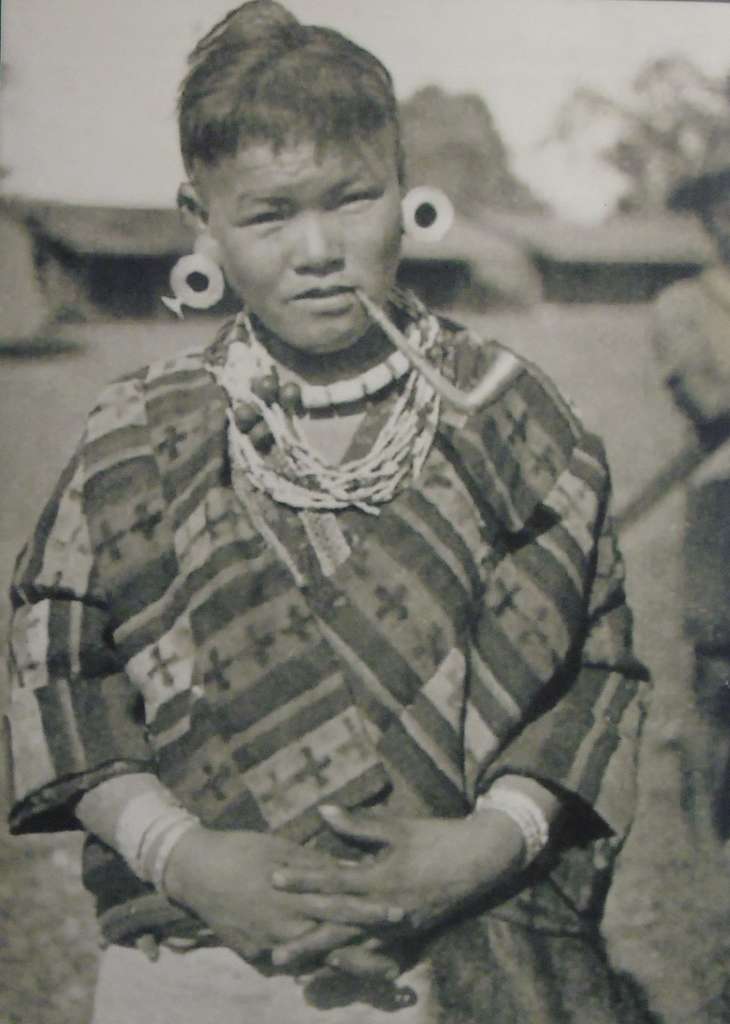
We’ve all seen cigarettes, hookahs, or even fancy smoking pipes. But imagine this—what if the pipe itself wasn’t just a tool, but a marker of prestige? The Idu Mishmi tribe from Arunachal Pradesh had exactly that: a beautifully crafted silver smoking pipe, mainly used by women.
From Paan-Daan to Silver Pipe – A Cultural Twist
In Indian households, silver paan-daans (betel leaf boxes) are symbols of refinement. Similarly, the Idu Mishmi silver pipe was more than a smoking tool—it was art, culture, and status woven into metal.

Who are the Idu Mishmi?
Geographic Location of the Tribe
The Idu Mishmi are an indigenous tribe from the Dibang Valley and Lower Dibang Valley districts of Arunachal Pradesh, nestled close to Tibet and China.
Rich Cultural Identity of the Idu Mishmi
Known for their unique textiles, tattoos, ornaments, and rituals, the Idu Mishmi take immense pride in their heritage. Every object they own has a cultural story—and the silver pipe is one of their most intriguing possessions.
The Tradition of the Silver Pipe
Why the Pipe Became Popular Among Women
Unlike many communities where smoking was a male tradition, here, women embraced the silver pipe as part of their cultural identity.
Material and Craftsmanship – Why Silver?
Silver symbolized purity, wealth, and longevity. The pipes were carefully handmade, often by local artisans, reflecting the tribe’s artistic brilliance.
Length as a Symbol of Social Status
Here’s the fascinating part—the longer the pipe, the higher the woman’s social standing. Think of it like the modern-day luxury handbag; the pipe wasn’t just for smoking, it was a walking status symbol.
Design and Artistic Motifs on the Pipe

Animal Motifs – Representing Nature’s Spirits
Elephants, birds, and deer often found their way onto the pipe designs, symbolizing the tribe’s bond with nature and wildlife.
Geometric Patterns – Tribal Aesthetics
Triangles, diamonds, and zig-zags represented strength, continuity, and balance in tribal life.
Symbols of Ancestry and Identity
Every engraving told a story—some pipes reflected family lineage, while others honored ancestors and deities.
Comparisons with Other Tribes
Khasi Bamboo Pipes – A Parallel Tradition
Interestingly, the Khasi tribe of Meghalaya used bamboo pipes for smoking. Although made of bamboo instead of silver, they carried similar motifs and tribal engravings.
Shared Design Language of Northeast Tribes
This shows how tribal communities across Northeast India share symbolic art, even if the materials differ.
Social and Cultural Significance
A Status Symbol Beyond Wealth
For the Idu Mishmi, wealth wasn’t just about gold or cattle—the silver pipe was equally prestigious.
Women, Smoking, and Empowerment
At a time when smoking was considered a taboo for women elsewhere, the Idu Mishmi women embraced it openly. The silver pipe wasn’t about addiction; it was a badge of confidence and identity.
A Ritualistic and Decorative Object
During festivals and ceremonies, the pipe became part of the attire, carried proudly like jewelry.
Weight and Customization of the Silver Pipe
How Weight Reflects Wealth and Style
The heavier the pipe, the more expensive it was. Some pipes weighed over half a kilo, making them true luxury possessions.
Custom-Made for Each Individual
Every pipe was tailored for its owner. Some preferred sleek pipes; others wanted bold engravings and intricate carvings.
The Changing Role of the Silver Pipe Today
Is It Still in Use Among Younger Generations?
With modernization, the younger generation rarely uses these pipes. However, older women still preserve them as heirlooms.
From Everyday Object to Museum Artifact
Today, most silver pipes are displayed in museums and cultural exhibitions across India.
Role in Modern Identity and Tourism
For the Idu Mishmi, the silver pipe has become a cultural brand—something tourists and researchers find fascinating.
Preservation of Tribal Heritage
Challenges of Protecting Such Artifacts
With modernization, many traditional objects risk disappearing from everyday use.
Cultural Documentation and Storytelling
Projects that document and share tribal stories (like this article) help keep traditions alive.
Reviving Tribal Crafts for the Future
If artisans are supported, there’s a chance to revive these crafts and even adapt them into modern jewelry or décor.
Conclusion – The Pipe That Tells a Story
The Idu Mishmi silver pipe is not just a smoking tool—it’s a cultural artifact, a status symbol, and a story etched in silver. From its artistic motifs to its role in empowering women, it reflects how material objects can embody an entire heritage. In today’s world, it reminds us of the deep wisdom of tribal traditions and the need to preserve them before they fade away.
FAQs about Idu Mishmi Silver Pipe
1. What is the Idu Mishmi silver pipe used for?
It was traditionally used by Idu Mishmi women for smoking, but also carried social and cultural significance.
2. Why was the length of the pipe important?
The longer the pipe, the higher the woman’s social status in the community.
3. Are the pipes still made today?
They are rare today, mostly preserved as heirlooms or displayed in museums.
4. How does it compare to Khasi bamboo pipes?
Both had similar motifs and cultural symbolism, but the Khasi pipes were made of bamboo, while Idu Mishmi pipes were made of silver.
5. Where can one see an original Idu Mishmi silver pipe today?
You can find them in tribal museums in Arunachal Pradesh and other cultural heritage exhibitions across India.
| Website Name | Description | External Link |
|---|---|---|
| UNESCO Intangible Heritage | Learn about traditional crafts & heritage across the world | Visit UNESCO |
| Incredible India | Official Indian tourism website highlighting culture & crafts | Explore Incredible India |
| Craft Council of India | Non-profit promoting Indian handicrafts & artisans | Craft Council |
| Victoria & Albert Museum | Global museum with Indian jewelry & textile collections | V&A Museum |
| National Museum, Delhi | Showcases traditional Indian art, jewelry & heritage | National Museum |
| Indian Culture (Govt) | Ministry of Culture initiative for digital heritage | Indian Culture Portal |
| Asia Society | Global platform exploring Asian heritage & cultural practices | Asia Society |