
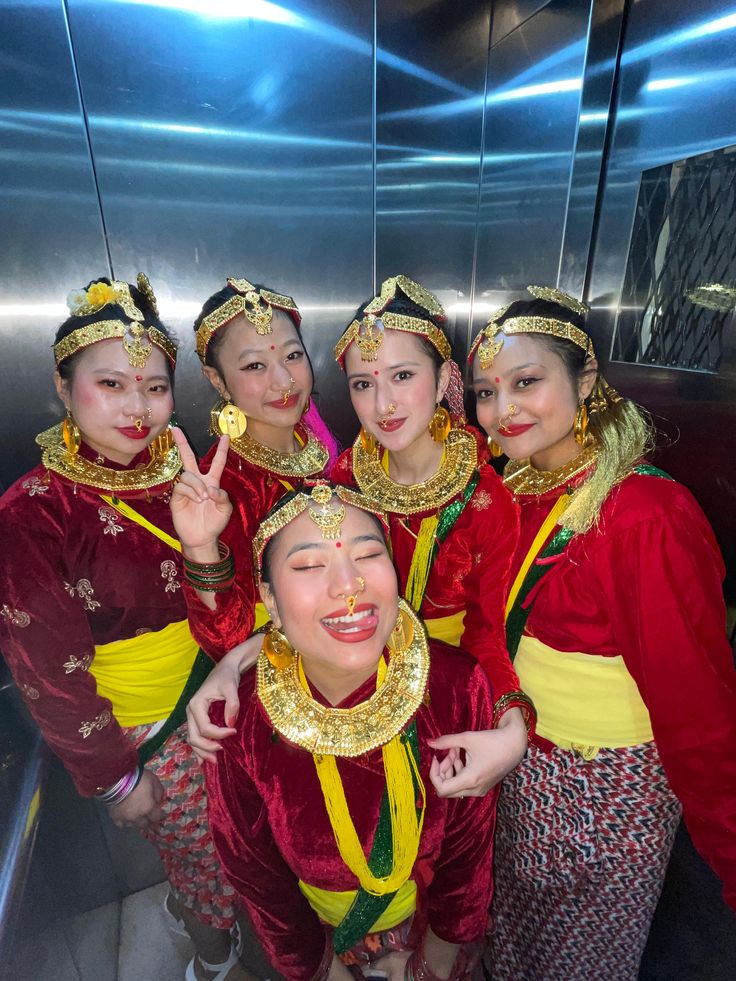
Explore the rich story of Tik Mala, a traditional Newari necklace from Kathmandu Valley—crafted with gold, coral, jade & worn in rituals like Bel Bibaha.
Table of Contents
📑 Table 1: Article Outline – Tik Mala
| Heading Level | Heading Title |
|---|---|
| H1 | Tik Mala: The Hidden Gem of Newari Jewelry |
| H2 | Introduction to Tik Mala |
| H2 | Origin of the Tik Mala |
| H3 | The Newari People and Kathmandu Valley |
| H3 | Cultural Significance in Newar Society |
| H2 | Unique Design of the Tik Mala |
| H3 | Materials Used |
| H4 | The Gold Base |
| H4 | The Red Felt |
| H4 | Turquoise, Coral, and Beads |
| H4 | Hanging Jade Stones |
| H2 | How Tik Mala is Made |
| H3 | Traditional Craftsmanship |
| H3 | Modern Adaptations |
| H2 | Symbolism Behind Tik Mala |
| H3 | Spiritual & Cultural Connection |
| H3 | Protection and Blessings |
| H2 | Occasions When Tik Mala is Worn |
| H3 | Bel Bibaha (Pre-Marriage Ceremony) |
| H3 | Suryadarshan Ceremony |
| H3 | Daily & Festival Wear |
| H2 | Historical Relevance of Tik Mala |
| H3 | From Ornaments to Warrior Armor |
| H2 | Weight and Wearability |
| H3 | Practical Aspects |
| H3 | Jewelry as Identity |
| H2 | Tik Mala vs. Chandrahaar |
| H3 | Are They the Same? |
| H2 | Influence of Indo-Aryan and Tibetan-Burmese Traditions |
| H3 | Fusion of Cultures |
| H2 | Tik Mala in Modern Times |
| H3 | Revival Among Youth |
| H3 | Presence in Fashion & Art |
| H2 | Conclusion |
| H2 | FAQs |
📘 Table 2: Full Article – Tik Mala
Tik Mala: The Hidden Gem of Newari Jewelry

Ever heard of a necklace that carries the beauty of Nepalese tradition, the elegance of gemstones, and the protective charm of ancient warriors? Let me take you on a journey into the world of Tik Mala, one of the most iconic yet lesser-known traditional ornaments of the Newari community in Kathmandu Valley.
Introduction to Tik Mala
Tik Mala is more than just an ornament—it’s an emblem of history, identity, and cultural pride. Originating from the heart of Nepal, this stunning necklace is a circular, vibrant piece worn by Newari women on sacred occasions and cultural ceremonies.
Origin of the Tik Mala
The Newari People and Kathmandu Valley
The Newar community lives primarily in the Kathmandu Valley of Nepal and is known for its rich heritage that blends Indo-Aryan and Tibeto-Burmese traditions. Tik Mala reflects this unique blend—its materials, purpose, and rituals tell tales of fusion.
Cultural Significance in Newar Society

Worn mostly by Newari women, especially during religious and cultural ceremonies, Tik Mala is not just a decorative piece. It signifies womanhood, strength, and spirituality, deeply rooted in Newar customs.
Unique Design of the Tik Mala
Materials Used
Let’s break down what makes this necklace so exquisite:
The Gold Base
Everything starts with gold. The base of the Tik Mala is crafted from gold, often flattened to give it a structured yet elegant circular shape. Gold here represents prosperity and divine connection.
The Red Felt
A layer of soft red felt—yes, actual fabric—is attached beneath the gold. This bold red symbolizes love, fertility, and energy, serving as a visual highlight and protective layer.
Turquoise, Coral, and Beads
Next, artisans embellish the surface with gemstones like turquoise (for healing), coral (for energy), and bright beads (for vibrancy). Each stone is placed with care, creating patterns that dazzle.
Hanging Jade Stones
The final touch? Beautiful green jade stones that dangle from the edges. These stones represent harmony and protection—some believe they drive away evil.
How Tik Mala is Made
Traditional Craftsmanship

Making a Tik Mala is an art that has been passed down through generations. Goldsmiths in the valley, often from the Newar caste of artisans, mold the gold, prepare the felt, and delicately fix each bead and stone by hand.
Modern Adaptations
While traditional Tik Malas are heavy and bold, modern versions are lighter, sometimes made with gold plating or mixed metals, making them easier to wear daily or in fusion fashion.
Symbolism Behind Tik Mala
Spiritual & Cultural Connection
Tik Mala holds deep symbolism. It connects a woman to her ancestors, culture, and spiritual beliefs. The combination of colors and materials aligns with the five elements of nature in Buddhist and Hindu traditions.
Protection and Blessings
Historically, Tik Mala was gifted to women as a protective amulet. During times of war, Sikkimese warriors were known to carry Tik Malas from their mothers or wives as a spiritual shield.
Occasions When Tik Mala is Worn
Bel Bibaha (Pre-Marriage Ceremony)
This unique Newari ceremony, often called the symbolic marriage of a girl to a fruit (bel), sees the bride adorned in Tik Mala. It signifies her transition into womanhood.
Suryadarshan Ceremony
During this sacred Hindu ceremony—literally meaning “sun viewing”—women wear Tik Mala as they pray for health, longevity, and prosperity.
Daily & Festival Wear
For married women, Tik Mala is often part of daily attire, especially during festivals, temple visits, and cultural performances. It’s a wearable legacy.
Historical Relevance of Tik Mala
From Ornaments to Warrior Armor

Interestingly, during ancient times, Tik Mala wasn’t just for women. Warriors heading to battle in Sikkim and surrounding regions were gifted Tik Malas by family as a symbol of courage and divine shield.
Weight and Wearability
Practical Aspects
Traditional Tik Malas can weigh between 200 to 300 grams. While heavy, it’s considered a mark of prestige. Modern ones are lighter, perfect for all-day wear.
Jewelry as Identity
Wearing Tik Mala is like wearing your identity on your chest—quite literally. It’s a conversation starter, a cultural statement, and an artistic display all at once.
Tik Mala vs. Chandrahaar
Are They the Same?
You might’ve heard Tik Mala being called Chandrahaar. While the terms are sometimes used interchangeably, Chandrahaar usually refers to broader regional styles, while Tik Mala specifically belongs to the Newari tradition.
Influence of Indo-Aryan and Tibetan-Burmese Traditions
Fusion of Cultures
Tik Mala is a perfect example of cultural blending. From Tibetan turquoise to Hindu symbolism of red and gold, it reflects a harmonious balance of faiths, histories, and artistic expressions.
Tik Mala in Modern Times
Revival Among Youth
You’d be surprised—many young Newari women (and even designers!) are bringing Tik Mala back, pairing it with saris, gowns, and even denim jackets. Heritage meets Gen Z.
Presence in Fashion & Art
From wedding shoots to art installations, Tik Mala is experiencing a revival. Brands are experimenting with 3D printing, upcycled fabrics, and digital designs of this ornament.
Conclusion

Tik Mala isn’t just jewelry—it’s a legacy around your neck. Whether worn for blessings, beauty, or boldness, this Newari necklace speaks volumes about Nepal’s rich cultural heritage. From ancient warriors to modern-day brides, its story continues—evolving with time yet rooted in tradition.
Are ye lo, ye bhi chalne lagi aur mai bhi chala aapke liye aisi aur majedaar kahaniyan dhundne!
FAQs
1. What is Tik Mala made of?
Tik Mala is made using flattened gold, red felt, turquoise, coral, colorful beads, and green jade stones.
2. Is Tik Mala the same as Chandrahaar?
Not exactly. While Chandrahaar is a broader term, Tik Mala is a specific Newari design with unique materials and significance.
3. When is Tik Mala worn?
It’s worn during Bel Bibaha, Suryadarshan, cultural events, and sometimes as everyday jewelry by married Newari women.
4. What is the cultural significance of Tik Mala?
It represents protection, femininity, spirituality, and ancestral pride in Newari tradition.
5. Is Tik Mala used only in Nepal?
Primarily, yes. However, due to migration and modern adaptations, it can be seen in neighboring regions and global fashion platforms.
| Link Description | URL (External Link) | Use in Article |
|---|---|---|
| History of Newar People | https://en.wikipedia.org/wiki/Newar_people | To explain the cultural roots of the Newari community |
| Bel Bibaha Ceremony | https://www.himalayanweddings.com/newari-bel-bibaha-ritual/ | To detail the pre-marriage ceremony where Tik Mala is worn |
| Traditional Nepalese Jewelry | https://www.museumnepal.com/traditional-nepali-jewelry/ | Supporting info on traditional ornaments like Tik Mala |
| Meaning of Turquoise in Jewelry | https://www.gemselect.com/gem-info/turquoise/turquoise-info.php | To explain gemstone significance |
| Cultural Significance of Jade | https://www.britannica.com/topic/jade-gemstone | For symbolism of jade stones in Tik Mala |