
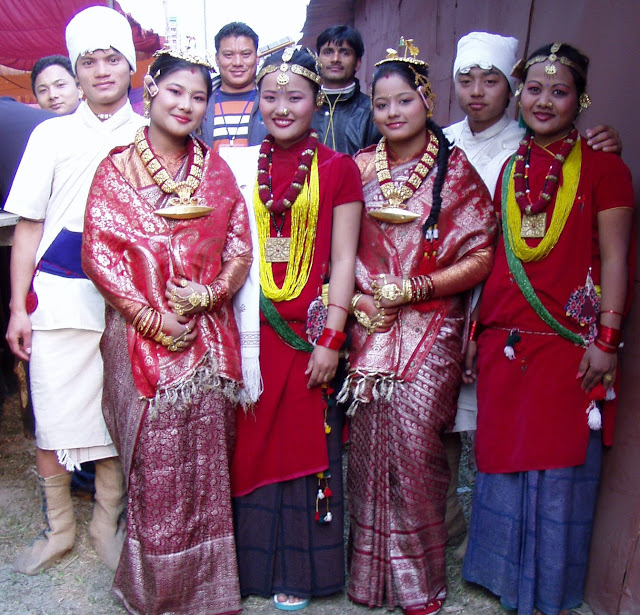
Discover Lyak, the traditional Lepcha necklace made from turquoise, coral, and gold pendants with Thangka designs. Explore its Himalayan heritage, symbolism, and timeless elegance.
Table of Contents
🟩 Table 1: Article Outline
| Heading Level | Heading |
|---|---|
| H1 | Lyak: The Traditional Necklace of the Lepcha Community |
| H2 | Introduction |
| H2 | Who Are the Lepchas? |
| H3 | The Lepcha Tribe’s Roots in Sikkim |
| H3 | Rich Culture, Rich Jewelry |
| H2 | What is Lyak? |
| H3 | The Name and Its Significance |
| H3 | Cultural Relevance of Lyak |
| H2 | Materials Used in Lyak |
| H3 | Semi-Precious Stones in Lyak |
| H4 | Turquoise |
| H4 | Coral |
| H4 | Lapis Lazuli |
| H3 | The Gold Pendant |
| H4 | Lost-Wax Casting Technique |
| H4 | Thangka Influence |
| H2 | Design Aesthetics of Lyak |
| H3 | The Pendant’s Unique Shape |
| H3 | Symbolism in Patterns |
| H2 | When and Why is Lyak Worn? |
| H3 | Festivals, Weddings & Celebrations |
| H3 | Spiritual and Ancestral Connection |
| H2 | The Weight & Size of Lyak |
| H2 | Modern Revival and Cultural Pride |
| H3 | Lepcha Youth and Lyak Today |
| H3 | Artisan-Made vs Machine-Replicas |
| H2 | Preserving a Himalayan Legacy |
| H3 | Role of Platforms like TheRidhiSidhi |
| H2 | Conclusion |
| H2 | FAQs |
🟩 Table 2: Article Content
Lyak: The Traditional Necklace of the Lepcha Community

Introduction
Ever seen a necklace so rich in culture that it speaks a thousand stories in silence? That’s Lyak, the traditional necklace of the Lepcha community, nestled in the misty hills of Sikkim. Crafted from semi-precious stones and crowned with a gold pendant, Lyak is more than jewelry — it’s a legacy.
So where are you off to? Yak ki sawaari baad mein kar lena, pehle aisi hi hidden heritage jankari ke liye TheRidhiSidhi ko follow kar lo! 💎
Who Are the Lepchas?

The Lepcha Tribe’s Roots in Sikkim
The Lepchas, also called Rongkup, are believed to be the original inhabitants of Sikkim and surrounding Himalayan regions. Their life revolves around nature, spirituality, and deeply symbolic traditions — and jewelry plays a huge role in that.
Rich Culture, Rich Jewelry
From traditional headgears to symbolic necklaces like Lyak, every ornament in Lepcha culture has a spiritual and historical essence. Lyak, in particular, stands out due to its rare materials and deep-rooted symbolism.
What is Lyak?

The Name and Its Significance
“Lyak” doesn’t just refer to a necklace — it’s an emblem of identity. Passed down from generation to generation, it often becomes a family heirloom, imbued with stories and blessings.
Cultural Relevance of Lyak
Traditionally worn by Lepcha women, Lyak is a staple during weddings, harvest festivals, and spiritual ceremonies. The necklace symbolizes prosperity, fertility, and a connection to the divine.
Materials Used in Lyak
Semi-Precious Stones in Lyak
A typical Lyak necklace is strung with stunning semi-precious stones, each chosen for both its beauty and spiritual properties.
Turquoise
Known for its calming blue hue, turquoise is believed to protect against evil and promote peace.
Coral
With its vibrant red-orange shades, coral symbolizes life force, fertility, and energy.
Lapis Lazuli
The deep royal blue of lapis lazuli represents wisdom, spirituality, and truth — a stone revered in Himalayan and Egyptian cultures alike.
The Gold Pendant
Ah, the crown jewel of Lyak — the gold pendant. Not only is it heavy (literally!), but it’s also heavy in symbolism.
Lost-Wax Casting Technique
The pendant is made using the lost-wax casting method, an ancient process where a wax model is encased in clay, then melted to leave a hollow mold for molten gold. It allows for detailed, one-of-a-kind designs.
Thangka Influence
The designs etched onto the pendant draw inspiration from Thangka paintings — sacred Buddhist art forms from the 11th century Tibetan-Himalayan era. These paintings are influenced by Ajanta caves in India and Mogao caves in China.
Design Aesthetics of Lyak
The Pendant’s Unique Shape
The central pendant’s shape isn’t random. It mirrors Lepcha cosmology — often reflecting motifs like the sun, mountains, or lotus petals, believed to channel natural energy.
Symbolism in Patterns
Intricate patterns on the pendant aren’t just pretty — they tell stories. From protective deities to ancestral symbols, each design weaves a connection between the past and the present.
When and Why is Lyak Worn?

Festivals, Weddings & Celebrations
Whether it’s a Lepcha marriage ceremony, Tendong Lho Rum Faat (a sacred festival), or a family milestone — Lyak is worn with pride. It completes the traditional attire and brings out the dignity of the wearer.
Spiritual and Ancestral Connection
Wearing Lyak during prayers and ceremonies is a way to connect with ancestors, nature spirits, and the gods of the mountains.
The Weight & Size of Lyak
Depending on the number and type of stones, and the design of the pendant, Lyak can weigh anywhere from 50 to 150 grams. It sits elegantly just above the chest and is a statement piece in every sense.
Modern Revival and Cultural Pride
Lepcha Youth and Lyak Today
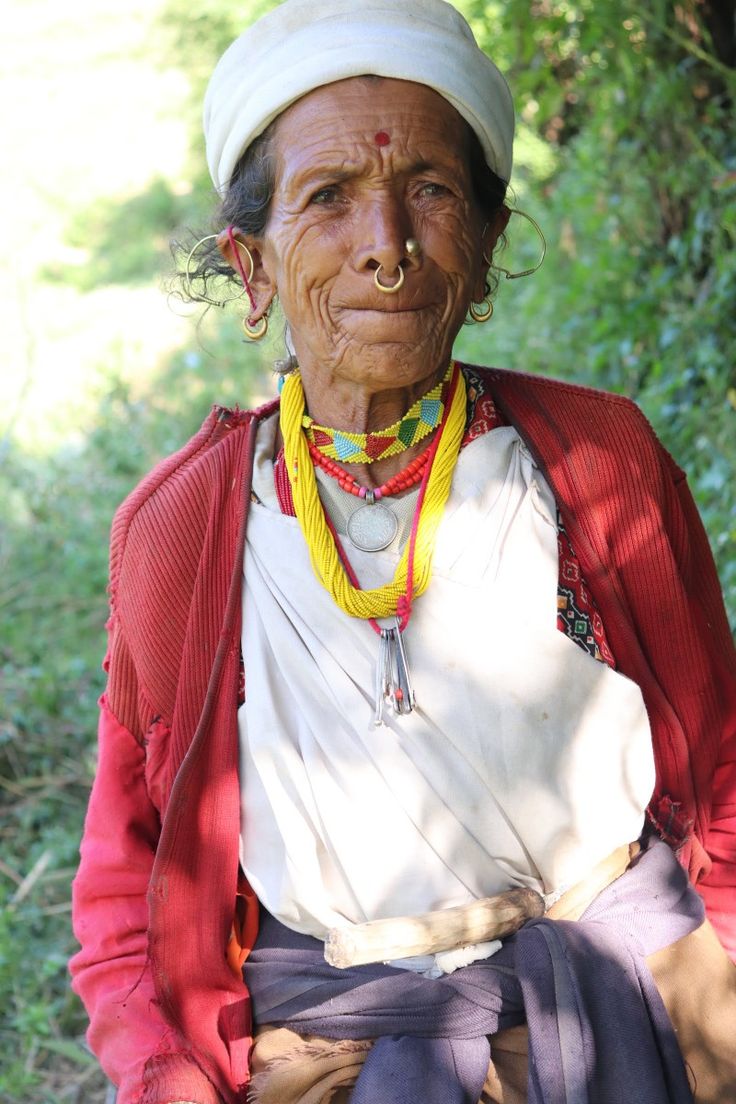
There’s a new wave of young Lepcha artists and designers who are reimagining Lyak in modern avatars — making it wearable not just on special occasions but in everyday life.
Artisan-Made vs Machine-Replicas
While handcrafted Lyaks are made by skilled artisans, machine-made replicas are also emerging. But nothing compares to the soul and detail of the original.
Preserving a Himalayan Legacy
Role of Platforms like TheRidhiSidhi
With growing interest in heritage jewelry, platforms like TheRidhiSidhi are playing a crucial role in documenting, promoting, and reviving forgotten ornaments like Lyak. Because let’s face it — without stories, jewels are just metal and stone.
Conclusion

Lyak is more than just a necklace. It’s a wearable piece of art, a spiritual emblem, and a cultural chronicle of the Lepcha people. In every gold-etched curve and every stone’s glimmer, there lies a tale of identity, resilience, and reverence for tradition.
So next time you see a Lyak, don’t just admire its beauty — listen to the story it whispers from the mountains of Sikkim.
FAQs
Q1. What is the Lyak necklace made of?
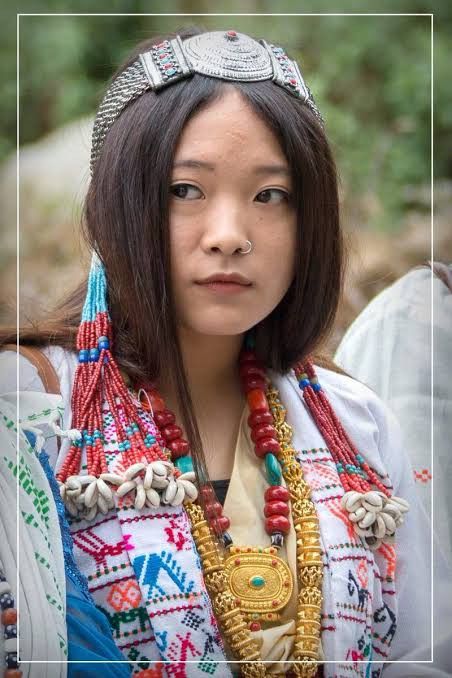
Lyak is made of semi-precious stones like turquoise, coral, and lapis lazuli, along with a central gold pendant crafted using the lost-wax casting method.
Q2. Who wears the Lyak necklace?
Traditionally, it is worn by Lepcha women, especially during weddings, festivals, and important spiritual events.
Q3. What makes the pendant of Lyak unique?
The pendant features Thangka-style designs and is shaped according to traditional Lepcha beliefs, making each piece unique.
Q4. Can Lyak be worn casually?
Today, some modern versions are being designed for everyday wear, but traditional Lyak is usually reserved for special occasions.
Q5. Where can I learn more about traditional jewelry like Lyak?
Follow @TheRidhiSidhi on Instagram or visit their blog to explore the hidden history of Indian and Himalayan jewelry.
| Link Title | URL | Description |
|---|---|---|
| Thangka Paintings – Himalayan Art Resources | https://www.himalayanart.org | Reference for Thangka painting styles and Buddhist symbolism. |
| Lost-Wax Casting Technique – Met Museum | https://www.metmuseum.org/art/collection/search/23950 | Explains ancient goldsmithing technique used in making Lyak pendants. |
| Coral and Turquoise Meaning – Gem Society | https://www.gemsociety.org/article/gemstone-meanings-symbolism | Provides symbolic meanings of semi-precious stones like coral and turquoise. |
| Lepcha Culture Overview – Cultural India | https://www.culturalindia.net/indian-tribes/lepcha.html | Detailed overview of Lepcha tribe’s culture and lifestyle. |
| TheRidhiSidhi Instagram | https://www.instagram.com/theridhisidhi | Follow TheRidhiSidhi for more hidden history of traditional Indian and Himalayan jewelry. |