
Table of Contents
| Heading Level | Heading Text |
|---|---|
| H1 | Taj Mahal: Monument or Looted Treasure? |
| H2 | Introduction: A Story Untold |
| H2 | The Glorious Past of the Taj Mahal |
| H3 | A Symbol of Love and Power |
| H3 | Architectural Brilliance with Hidden Jewels |
| H2 | The Forgotten Jewels of the Taj Mahal |
| H3 | What Were These Precious Stones? |
| H3 | The ‘Taj Mahal Emerald’ and Its Significance |
| H4 | Design and Inscriptions |
| H4 | Cultural and Spiritual Value |
| H3 | Emeralds: Shah Jahan’s Soothing Balm |
| H2 | From Royal Glory to Colonial Plunder |
| H3 | The Arrival of the East India Company |
| H3 | Looting the Soul of the Taj Mahal |
| H3 | British Museums and the Hidden Indian Legacy |
| H2 | The Disappearance of the Taj’s True Essence |
| H3 | Where Did All the Jewels Go? |
| H3 | Is the White Marble Just a Hollow Shell? |
| H2 | Rewriting History: The Concealed Truth |
| H3 | Why This Was Hidden From Our Textbooks |
| H3 | The Colonial Narrative vs. Reality |
| H2 | Should India Reclaim the Stolen Jewels? |
| H3 | Ethical and Diplomatic Dimensions |
| H3 | Can India Bring Its History Home? |
| H2 | Conclusion: The Taj’s True Identity |
| H2 | FAQs |

Table 2: Article
Taj Mahal: Monument or Looted Treasure?
Introduction: A Story Untold
We all know the Taj Mahal as the shining symbol of eternal love. But what if I told you it’s also a silent witness to one of the greatest lootings in history? Beneath the elegant white marble lies a story of brilliance, betrayal, and buried treasure. The real Taj Mahal wasn’t just about architecture—it was about artistry, wealth, and spiritual symbolism carved into priceless stones that mysteriously vanished. Ready to dig deeper?
The Glorious Past of the Taj Mahal
A Symbol of Love and Power
Commissioned by Mughal Emperor Shah Jahan in memory of his beloved wife Mumtaz Mahal, the Taj Mahal isn’t just a mausoleum—it’s a statement. Built in the 17th century, it was meant to reflect the grandeur of the Mughal dynasty, their unmatched wealth, and their deep artistic sense.
Architectural Brilliance with Hidden Jewels
What most people don’t realize is that the Taj wasn’t just carved out of white marble. Its walls, ceilings, and inlays were adorned with emeralds, rubies, sapphires, jade, turquoise, and even diamonds. This wasn’t just decoration—it was sacred, symbolic, and luxurious beyond imagination.
The Forgotten Jewels of the Taj Mahal
What Were These Precious Stones?
Imagine walking through the Taj during its prime. You wouldn’t just see marble—you’d see walls glowing with colorful gemstones embedded in intricate floral patterns. These weren’t ordinary stones; they were hand-picked from Persia, Tibet, Sri Lanka, and even Europe.
The ‘Taj Mahal Emerald’ and Its Significance
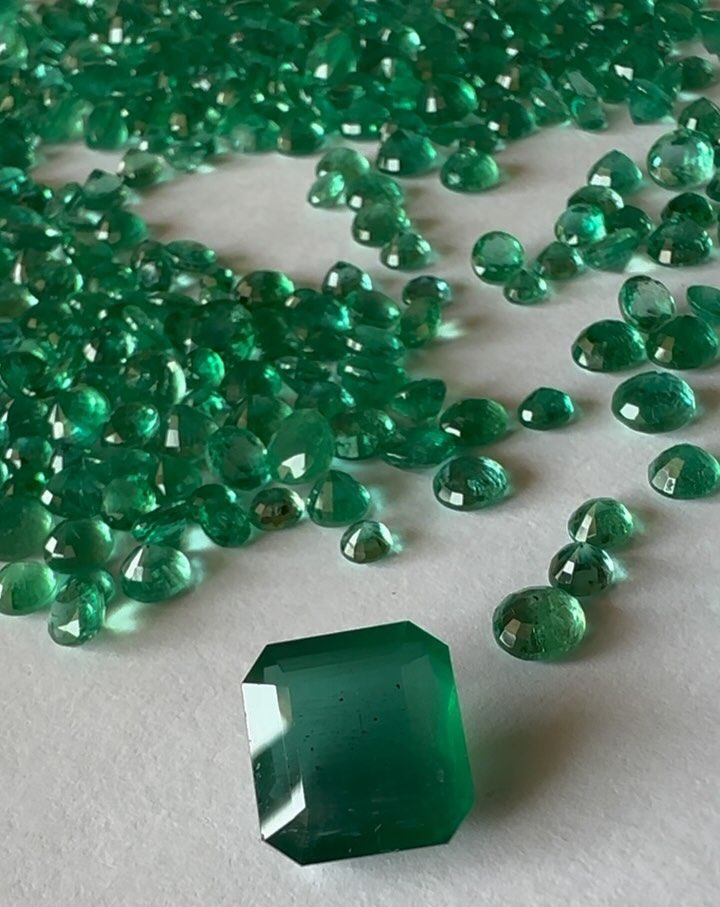
One of the most prized possessions of the monument was the legendary Taj Mahal Emerald. A massive green gem with Arabic inscriptions and carvings of lotus, chrysanthemums, and poppies.
Design and Inscriptions
The Mughal artisans etched Quranic verses and imperial titles into the gem’s surface—a unique blend of spiritual devotion and royal flair. The design motifs matched the ones carved on the Taj Mahal’s façade.
Cultural and Spiritual Value
In Islamic tradition, emeralds were believed to ward off evil and provide healing. For Shah Jahan, they weren’t just luxurious—they were protective charms and emotional anchors.
Emeralds: Shah Jahan’s Soothing Balm
Legend has it that after Mumtaz Mahal’s death, Shah Jahan would gaze into emeralds to soothe his sorrow. In a way, those stones absorbed the emperor’s pain and became relics of human emotion, not just royal excess.

From Royal Glory to Colonial Plunder
The Arrival of the East India Company
When the British arrived in India under the guise of trade, they didn’t just take over land. They took over heritage. The East India Company, with its military muscle and political cunning, plundered royal treasuries, temples, and monuments.
Looting the Soul of the Taj Mahal
The precious stones that made the Taj Mahal shine were carefully extracted. One by one, the gems were pried from their sockets, leaving behind only polished white marble—beautiful, but empty. These weren’t mere thefts; they were calculated removals of cultural pride.
British Museums and the Hidden Indian Legacy
Today, many of these stones—especially emeralds believed to have originated from the Taj—are housed in private collections and British museums. They’re displayed without context, without credit, and certainly without guilt.
The Disappearance of the Taj’s True Essence
Where Did All the Jewels Go?
Tracking down each stone is like solving a puzzle with missing pieces. While some gemstones are confirmed to be in the British Crown Jewels or on display at the Victoria and Albert Museum, most have simply vanished into private vaults or auction houses.
Is the White Marble Just a Hollow Shell?
What remains now is stunning—but it’s only the skeleton of what once was. The Taj Mahal’s glow wasn’t just in its marble; it was in the shimmering inlays and the spiritual energy of those precious stones.
Rewriting History: The Concealed Truth
Why This Was Hidden From Our Textbooks
Colonial historians had little interest in documenting their own crimes. So, these details never made it to our history books. Generations of Indians grew up knowing only half the story—romanticized love, but not brutal loot.
The Colonial Narrative vs. Reality
By erasing the grandeur of the Mughal Empire and portraying them as decadent, the British justified their takeover. In truth, they dismantled centuries of art and culture and shipped them off as trophies.
Should India Reclaim the Stolen Jewels?
Ethical and Diplomatic Dimensions
Can we ask for them back? Legally, it’s complex. Ethically? It’s crystal clear. Many nations have begun reclaiming stolen art. India has a right to demand the return of its cultural heritage—just like Greece has demanded the Elgin Marbles from Britain.
Can India Bring Its History Home?
The Indian government has made attempts to reclaim some artifacts—but reclaiming the Taj’s stones would require diplomacy, transparency, and massive international pressure.
Conclusion: The Taj’s True Identity
The Taj Mahal is not just a white marble monument. It’s a story of love, loss, looting, and resilience. The real Taj was colorful, radiant, spiritual—and brutally plundered. What we see today is beautiful, but incomplete. It’s time we look beyond the marble and uncover the legacy that was stolen from us.

FAQs
1. Did the Taj Mahal really have gemstones embedded in its structure?
Yes, historical records and traveler accounts confirm that the Taj Mahal featured intricate inlay work with emeralds, rubies, sapphires, and more.
2. What happened to the Taj Mahal Emerald?
The ‘Taj Mahal Emerald’ is believed to be in a private European collection today, likely looted during the British colonial era.
3. Why don’t history books mention this looting?
Colonial powers often erased or ignored their own exploitation in educational narratives, especially when documenting history in colonized nations.
4. Can India legally reclaim the looted jewels from British museums?
It’s a complex process involving international law and diplomacy, but other countries have successfully reclaimed stolen artifacts, so it’s possible.
5. Is the current Taj Mahal just a marble structure?
What we see now is the outer beauty. The original Taj included spiritual and emotional elements embedded in the gemstones, which are now missing.
| Anchor Text | Description | URL | Link Type |
|---|---|---|---|
| History of the Taj Mahal – UNESCO | Official UNESCO World Heritage listing with historical context | https://whc.unesco.org/en/list/252 | DoFollow |
| Looted Art – British Museum Collection | British Museum’s portal for artifacts, including Indian pieces | https://www.britishmuseum.org/collection | DoFollow |
| Mughal Architecture – Britannica | Overview of Mughal architecture, including Taj Mahal’s significance | https://www.britannica.com/art/Mughal-architecture | DoFollow |
| Colonial Looting and Repatriation – The Guardian | Article on returning looted colonial artifacts | https://www.theguardian.com/culture/2021/sep/13/britain-must-return-looted-artifacts | DoFollow |
| Archaeological Survey of India – Taj Mahal | ASI’s official page on the Taj Mahal with heritage facts | https://asiagracircle.in/tajmahal | DoFollow |
