

📋 Table 1: Article Outline
Table of Contents
| Section No. | Heading Level | Title |
|---|---|---|
| 1 | H1 | Van Gujjar Traditional Jewellery |
| 2 | H2 | Who Are the Van Gujjars? |
| 3 | H3 | Nomadic Life and Seasonal Migration |
| 4 | H2 | Cultural Identity Through Jewellery |
| 5 | H3 | The Art of Bead Jewellery |
| 6 | H4 | Meaning Behind the Colors |
| 7 | H2 | Traditional Jewellery Types |
| 8 | H3 | Haar – The Vibrant Necklace |
| 9 | H3 | Kangan – Colorful Bangles |
| 10 | H3 | Jhumke – Dainty Earrings |
| 11 | H3 | Maang Tikka – The Forehead Jewel |
| 12 | H2 | Materials Used in Van Gujjar Jewellery |
| 13 | H3 | Glass Beads and Threads |
| 14 | H3 | Metal Pendants and Antique Coins |
| 15 | H2 | Jewellery for Occasions |
| 16 | H3 | Wedding & Festival Ornaments |
| 17 | H3 | Everyday Jewellery Designs |
| 18 | H2 | Craftsmanship Passed Down Generations |
| 19 | H3 | Women as Keepers of the Art |
| 20 | H2 | Symbolism and Spiritual Beliefs |
| 21 | H2 | Van Gujjar Jewellery in Modern Times |
| 22 | H3 | Preservation of Tradition |
| 23 | H3 | Challenges in the Contemporary World |
| 24 | H2 | Conclusion |
| 25 | H2 | FAQs |
📚 Table 2: Article
Van Gujjar Traditional Jewellery
If you’ve ever been fascinated by how jewellery tells a story, then Van Gujjar traditional jewellery is something you have to explore. These vibrant, handmade pieces are not just decorative — they’re steeped in history, identity, and cultural pride.
Who Are the Van Gujjars?

The Van Gujjars are a nomadic pastoralist community mainly found in the forested and mountainous regions of Uttarakhand, Himachal Pradesh, parts of Jammu & Kashmir, and Uttar Pradesh (especially Saharanpur, Bijnor, Rampur, and Pilibhit).
Nomadic Life and Seasonal Migration

These communities migrate seasonally — heading towards the Himalayan foothills during summer and returning to the plains in winter. This close connection with nature deeply influences every aspect of their lifestyle, especially their traditional adornments.
Cultural Identity Through Jewellery
Jewellery among Van Gujjars is more than fashion — it’s an expression of their nomadic spirit, social identity, and cultural heritage.
The Art of Bead Jewellery
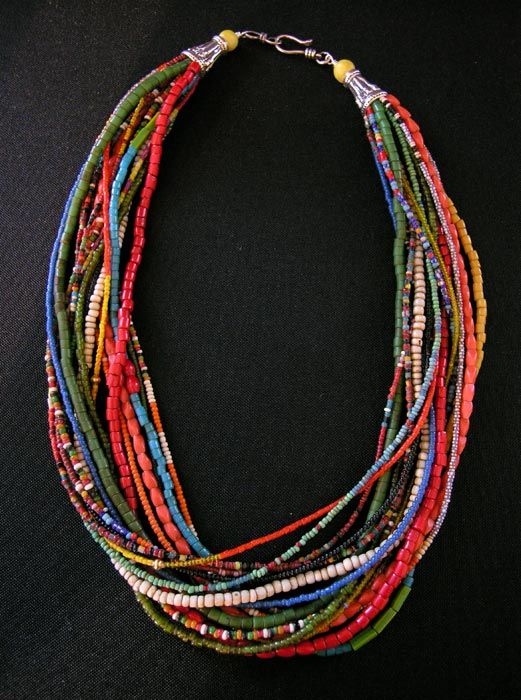
Beaded ornaments are the heart of Van Gujjar traditional jewellery. Women handcraft each piece using colorful glass beads and sturdy thread.
Meaning Behind the Colors
Colors carry specific meanings. For instance:
- Red symbolizes energy and fertility
- Blue represents protection and calm
- Green links to nature and harmony
- Yellow is seen as a symbol of happiness and sunlight
These aren’t just design choices — they reflect the Van Gujjar worldview.
Traditional Jewellery Types

Let’s take a closer look at the various types of jewellery that Van Gujjar women wear and create.
Haar – The Vibrant Necklace
The haar is typically long and layered, made entirely of beads, sometimes mixed with small metal pendants or old coins. These are worn during celebrations and weddings, instantly adding charm and status.
Kangan – Colorful Bangles
These are thick, circular bangles made from plastic or metal, decorated with beads or thread. They clink together musically and are worn in sets of six or more on each arm.
Jhumke – Dainty Earrings
Handmade jhumkas are often crafted using loops of beads or metal. While small and delicate for everyday wear, wedding jhumkas can be extravagant, featuring multiple bead strands.
Maang Tikka – The Forehead Jewel
This elegant headpiece rests on the forehead, with a string that parts the hair. Typically crafted from a mix of metal, beads, and even silver trinkets, it’s worn on weddings or during rituals.
Materials Used in Van Gujjar Jewellery
Glass Beads and Threads

Beads are the soul of Van Gujjar jewellery. These small, shiny pieces are strung on thick cotton thread to form necklaces, bracelets, or anklets. The beadwork is intricate, often involving repetitive yet artistic patterns.
Metal Pendants and Antique Coins
To add weight and prestige, women sometimes add vintage coins, metal charms, or silver-plated pendants to their jewellery, which gives it a rustic and historical look.
Jewellery for Occasions
Wedding & Festival Ornaments
For special events like marriages or festivals, jewellery becomes grander. Women wear layers upon layers of bead necklaces, heavy jhumkas, head adornments, and anklets that jingle with every step.
Everyday Jewellery Designs

For daily use, simpler, single-strand bead necklaces and bangles are preferred. These pieces are practical yet aesthetic, adding a splash of color to everyday life.
Craftsmanship Passed Down Generations

Women as Keepers of the Art
The knowledge of making Van Gujjar traditional jewellery is usually passed from mothers to daughters. It’s not just a skill — it’s a bonding activity, a rite of passage, and a form of creative expression.
Symbolism and Spiritual Beliefs

Certain pieces are believed to ward off evil spirits, bring fertility, or protect during childbirth. The inclusion of specific colors or amulets in jewellery reflects the spiritual ethos of the Van Gujjars.
Van Gujjar Jewellery in Modern Times
Preservation of Tradition
In recent years, NGOs and cultural organizations have started highlighting Van Gujjar jewellery as part of India’s intangible heritage. This has helped revive interest and bring the artistry into mainstream awareness.
Challenges in the Contemporary World
Despite the growing attention, the community faces challenges:
- Loss of forest rights
- Limited access to markets
- Displacement due to conservation laws
These issues directly threaten the continuation of traditional crafts like bead jewellery.
Conclusion

Van Gujjar traditional jewellery is not just about beads and colors. It’s a living tradition, woven into the lives of a resilient, nature-bound community. These ornaments are a bridge between past and present, personal identity and community pride.
By supporting their crafts and learning their stories, we don’t just admire their jewellery — we honor their journey.
FAQs
1. What materials are commonly used in Van Gujjar traditional jewellery?
Van Gujjar women mainly use colorful glass beads, cotton threads, metal pendants, and sometimes old coins to craft their jewellery.
2. Why is bead jewellery important to the Van Gujjar community?
It represents their cultural identity, spiritual beliefs, and creative expression. It’s also a tradition passed down through generations.
3. Are Van Gujjar ornaments used daily or only on special occasions?
Both! Simple bead jewellery is worn daily, while more elaborate pieces are reserved for festivals, weddings, and rituals.
4. Can Van Gujjar jewellery be bought online?
Some NGOs and cultural preservation platforms have started showcasing their jewellery online. However, access is still limited.
5. How can we help preserve Van Gujjar traditional jewellery?
Support local artisans, advocate for indigenous rights, and spread awareness about the cultural heritage of communities like the Van Gujjars.
| Anchor Text | URL | Purpose |
|---|---|---|
| Van Gujjar Community Profile | https://www.tribal.nic.in/ | Official info on tribal communities from the Ministry of Tribal Affairs, Government of India. |
| Nomadic Tribes of India | https://www.india.gov.in/nomadic-tribes-india | General overview of nomadic groups, including Van Gujjars. |
| Beadwork in Indian Tribal Culture | https://ich.unesco.org/en/decisions/15.COM/5.b.6 | UNESCO Intangible Cultural Heritage decisions mentioning beadwork. |
| Rights of Forest-Dwelling Communities | https://www.fra.org.in/ | Info about the Forest Rights Act and Van Gujjar land rights. |
| NGO Supporting Van Gujjar Crafts | https://www.himalayanblooms.org/ | NGO promoting Van Gujjar crafts and self-reliance among hill communities. |
| History of Tribal Jewellery in India | https://www.craftrevival.org/ | Deep dive into Indian tribal craft traditions, including jewellery. |
| Conservation Challenges Faced by Van Gujjars | https://scroll.in/article/994689/why-van-gujjars-are-fighting-for-forest-rights | News report on Van Gujjars’ current struggles related to displacement and conservation. |