
Table of Contents
| Heading Level | Title |
|---|---|
| H1 | Moti Mala, Mani Haar, Dana Mala, and Gotiyan Ki Mala: The Beaded Treasures of Madhya Pradesh’s Tribal Heritage |
| H2 | Introduction |
| H2 | The Cultural Roots of Tribal Beaded Necklaces |
| H3 | A Living Legacy of Gond, Bhil, Baiga, and Sahariya Tribes |
| H3 | Why These Necklaces Are More Than Just Jewelry |
| H2 | Types of Tribal Beaded Necklaces |
| H3 | Moti Mala |
| H3 | Dana Mala |
| H3 | Mani Haar |
| H3 | Gotiyan Ki Mala |
| H2 | Materials Used in Crafting |
| H3 | Natural vs. Synthetic Beads |
| H3 | Additional Decorative Elements |
| H2 | Symbolism Behind Colors |
| H3 | Red for Power |
| H3 | Green for Nature |
| H3 | Blue for Protection |
| H3 | Black for Warding off Evil |
| H2 | Spiritual and Protective Significance |
| H3 | Totems and Protective Symbols |
| H3 | Ritual Usage in Festivals and Ceremonies |
| H2 | How These Necklaces Are Made |
| H3 | Hand-threading: An Art Passed Down Generations |
| H3 | Family-Specific Designs |
| H2 | When and Where They Are Worn |
| H3 | Festivals like Hareli and Karma |
| H3 | Weddings and Tribal Dances |
| H2 | The Role of Women in Bead Crafting |
| H3 | Learning from a Young Age |
| H3 | Social and Economic Importance |
| H2 | Evolution Over Time |
| H3 | Adapting Traditional Designs for Modern Tastes |
| H3 | Rise in Global Popularity |
| H2 | Where to Find or Buy These Necklaces Today |
| H3 | Local Markets and Tribal Haats |
| H3 | Online Platforms Promoting Tribal Artisans |
| H2 | Preservation and Challenges |
| H3 | Impact of Mass Production |
| H3 | Need for Sustainable and Fair Trade Practices |
| H2 | Conclusion |
| H2 | FAQs |

Table 2: Article
Moti Mala, Mani Haar, Dana Mala, and Gotiyan Ki Mala: The Beaded Treasures of Madhya Pradesh’s Tribal Heritage
Introduction
Ever seen a beaded necklace so vibrant it feels like it’s telling a story? That’s exactly what the tribal necklaces of Madhya Pradesh do. From Moti Mala to Gotiyan ki Mala, these aren’t just accessories—they’re powerful cultural symbols passed down through generations. Let’s dive into the intricate world of tribal bead necklaces and discover the meanings, stories, and people behind them.
The Cultural Roots of Tribal Beaded Necklaces
A Living Legacy of Gond, Bhil, Baiga, and Sahariya Tribes
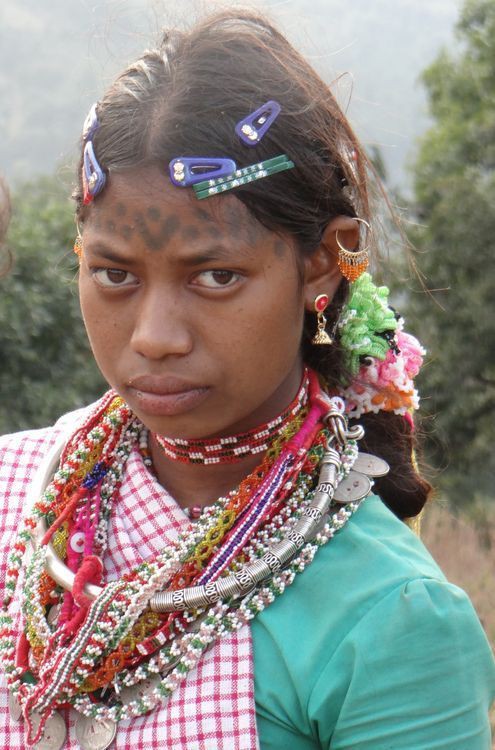
These beaded beauties come straight from the heart of India—Madhya Pradesh. Tribes like the Gond, Bhil, Baiga, and Sahariya have been crafting and wearing these necklaces for centuries. Each community has its unique patterns, techniques, and stories stitched into every string of beads.
Why These Necklaces Are More Than Just Jewelry
To the outside eye, it’s just jewelry. But for the tribes, it’s so much more. These necklaces are worn during ceremonies, festivals, and even daily life—symbolizing everything from protection to pride.
Types of Tribal Beaded Necklaces
Moti Mala
Literally translating to “pearl necklace,” Moti Mala isn’t always made of pearls. Think of small, round, white glass or seed beads strung into elegant patterns. They’re simple yet stunning.
Dana Mala
These are chunkier and usually made of earthy materials like seeds, wood, or clay. Dana Malas give off a rustic, grounded feel—perfect for harvest festivals and folk dances.
Mani Haar
This type often incorporates shiny glass or metal beads, sometimes even coins. It’s more ornamental and ceremonial, often worn during marriages or religious gatherings.
Gotiyan Ki Mala
“Gotiyan” means beads, and this style uses larger beads, sometimes painted or engraved. The vibe? Bold, beautiful, and a little boho.
Materials Used in Crafting
Natural vs. Synthetic Beads
Most traditional necklaces use natural elements like wood, terracotta, seeds, and bone. But modern variations may include glass, plastic, and metallic beads for durability and appeal.

Additional Decorative Elements
Beyond beads, artisans add coins, ghungroos (anklet bells), cowrie shells, and even tiny mirrors to bring a sparkle and deeper meaning to each piece.
Symbolism Behind Colors
Red for Power
A bright red strand isn’t just eye-catching—it symbolizes strength, fertility, and life-force.
Green for Nature
Green stands for growth, balance, and the deep connection tribes have with forests and agriculture.
Blue for Protection
Blue beads are believed to offer spiritual safety, keeping away negative energy and evil spirits.
Black for Warding off Evil
Used as a protective charm, black beads are often placed in the center or ends of the necklace to block bad vibes.
Spiritual and Protective Significance
Totems and Protective Symbols
Some tribes, especially the Baiga, weave in specific bead arrangements or sacred charms believed to protect the wearer from illness or misfortune.
Ritual Usage in Festivals and Ceremonies
These necklaces are front and center during festivals like Hareli (for crops), Karma (celebrating nature), and tribal weddings or dance rituals. They’re worn with pride, like a spiritual armor.
How These Necklaces Are Made
Hand-threading: An Art Passed Down Generations

No machines here. Just nimble fingers, decades of tradition, and a thread. Each bead is painstakingly hand-strung, making every necklace one-of-a-kind.
Family-Specific Designs
Many designs are family heirlooms, with motifs and bead sequences passed from grandmothers to mothers to daughters.
When and Where They Are Worn
Festivals like Hareli and Karma
During these joyful events, you’ll see an explosion of colors, music, dance, and of course, bead necklaces—layered and proudly displayed.
Weddings and Tribal Dances
Imagine a bride in traditional attire with a multi-layered Mani Haar catching the firelight. These necklaces elevate the look and the emotion of every tribal celebration.
The Role of Women in Bead Crafting
Learning from a Young Age
Girls begin beadwork as young as 7 or 8, guided by mothers and aunts. It’s more than a skill—it’s a rite of passage.
Social and Economic Importance
For many tribal women, bead-making provides financial independence. They sell their creations at local markets or to tourists, preserving culture while supporting families.
Evolution Over Time
Adapting Traditional Designs for Modern Tastes
Contemporary designers are collaborating with artisans to reimagine tribal necklaces—mixing old techniques with new styles, creating stunning fusion jewelry.
Rise in Global Popularity
From runways to Instagram, tribal bead necklaces have found admirers worldwide. They’re now seen as boho-chic fashion statements, without losing their roots.
Where to Find or Buy These Necklaces Today
Local Markets and Tribal Haats
The best place to buy? Tribal haats in Madhya Pradesh. You get authenticity, fair prices, and sometimes even a chance to meet the artisans.
Online Platforms Promoting Tribal Artisans
Websites like Tribes India, GoCoop, and others are helping artisans reach global buyers while ensuring ethical trade.
Preservation and Challenges
Impact of Mass Production
Sadly, cheap knock-offs are flooding the market. They look similar but lack the soul and story of real tribal bead necklaces.
Need for Sustainable and Fair Trade Practices
Supporting real artisans means choosing handmade over factory-made, and valuing the people behind the product.
Conclusion
So next time you see a Moti Mala or Gotiyan ki Mala, remember—it’s not just jewelry. It’s heritage, spirituality, and artistry wrapped around a thread. These tribal necklaces tell the stories of people, rituals, and identity that deserve to be cherished and celebrated.

FAQs
1. What is the difference between Moti Mala and Dana Mala?
Moti Mala typically uses small white beads (like faux pearls), while Dana Mala uses earthy materials like seeds or clay for a chunkier look.
2. Are these necklaces worn daily or just for special occasions?
Both! Some simpler designs are worn daily, while elaborate ones are saved for weddings, festivals, and dances.
3. Can I buy authentic tribal bead necklaces online?
Yes! Websites like Tribes India and GoCoop offer genuine handmade pieces from tribal artisans.
4. Do the colors in these necklaces really have symbolic meanings?
Absolutely! Colors like red, green, blue, and black each represent specific emotions or protections in tribal culture.
5. Why should we support traditional bead artisans?
Because you’re not just buying jewelry—you’re supporting a cultural legacy, empowering women, and preserving centuries of craft.
| Resource | Description | Link |
|---|---|---|
| Tribes India – Tribal Jewellery | Official government platform selling handcrafted tribal jewelry including bead necklaces from various Indian tribes. | Tribes India |
| GoCoop – Handcrafted Jewellery | Online marketplace connecting Indian artisans directly with customers. Includes tribal beadwork. | GoCoop Jewellery |
| Cultural Survival Marketplace | International site supporting indigenous artisans globally, with handcrafted tribal accessories. | Cultural Survival |
| UNESCO – Intangible Cultural Heritage of India | Explore India’s tribal traditions recognized globally as intangible heritage. | UNESCO India Heritage |
| Crafts Council of India | Promotes traditional Indian crafts and provides resources to support tribal artisans. | Crafts Council of India |
View the Moti Mala Tribal Necklace
