

📋 Table 1: Article Outline
Table of Contents
| # | Heading | Heading Type |
|---|---|---|
| 1 | Nhar Mundya Kada – The Traditional Bhil Warrior Bracelet | H1 |
| 2 | Introduction to Nhar Mundya Kada | H2 |
| 3 | What Does “Nhar Mundya” Mean? | H2 |
| 4 | Historical Significance of the Kada | H2 |
| 5 | Cultural Roots in Madhya Pradesh | H2 |
| 6 | The Bhil Tribe – Keepers of the Tradition | H2 |
| 7 | Symbolism Behind the Bracelet | H2 |
| 8 | Materials Used in Crafting the Kada | H3 |
| 9 | The Making Process – A Glimpse into Tribal Craftsmanship | H3 |
| 10 | Design Details: The Tiger Head Motif | H3 |
| 11 | Weight & Variations of the Kada | H3 |
| 12 | Spiritual and Protective Beliefs | H2 |
| 13 | More Than Ornamentation – A Token of Masculinity | H2 |
| 14 | When and Why Is It Worn? | H3 |
| 15 | The Role of Local Artisans | H2 |
| 16 | Challenges to Traditional Craft | H2 |
| 17 | Revival and Preservation Efforts | H2 |
| 18 | Nhar Mundya in Modern Fashion | H2 |
| 19 | External Recognition of the Art Form | H3 |
| 20 | Tourism and Cultural Showcases | H3 |
| 21 | Where to See or Buy an Authentic Nhar Mundya Kada | H2 |
| 22 | Internal Cultural Linkages | H3 |
| 23 | Conclusion: A Legacy Cast in Metal | H2 |
| 24 | FAQs | H2 |
📄 Table 2: Article Content
Nhar Mundya Kada – 1 Traditional Bhil Warrior Bracelet

Introduction to Nhar Mundya Kada
If you’ve ever roamed the culturally rich lands of Madhya Pradesh, there’s a chance you’ve heard about the Nhar Mundya Kada. But what is it really? Is it just another tribal accessory? Not quite. This powerful bracelet, traditionally worn by the Bhil men, is more than just jewelry — it’s a roaring symbol of strength, protection, and identity.
Let’s dive deep into this fierce and fascinating piece of tribal heritage.
What Does “Nhar Mundya” Mean?
Let’s break it down.
- “Nhar” means tiger
- “Mundya” means head
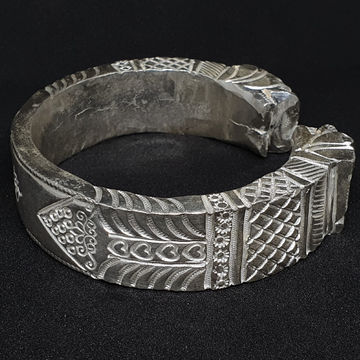
So, Nhar Mundya Kada literally translates to “Tiger-Head Bracelet”. That’s already got a bold ring to it, doesn’t it? And rightly so—this kada usually bears an embossed or sculpted image of a tiger’s face, staring straight out like a guardian spirit.
Historical Significance of the Kada

Worn for hundreds of years, this kada wasn’t just a fashion statement. It marked rites of passage, manhood, and warrior status among the Bhil tribe, one of the oldest indigenous communities of India. The kada is a reminder of past battles, of hunting prowess, and of protection against enemies—both physical and spiritual.
Cultural Roots in Madhya Pradesh
The Bhil community predominantly inhabits the forests and hills of Madhya Pradesh. Their deep bond with nature, wildlife, and ancestral beliefs is reflected in everything they create—including the Nhar Mundya Kada. In fact, this bracelet is worn with a sense of pride, tradition, and belonging.

The Bhil Tribe – Keepers of the Tradition
The Bhils have long been known as warriors and hunters, fiercely independent and rooted in their customs. For them, the tiger isn’t just a wild animal — it’s a totem, a protector, and often viewed as an ancestral spirit. So, naturally, their traditional jewelry mirrors these ideals.
Symbolism Behind the Bracelet
Why a tiger? Why the head?
Well, in many tribal belief systems, the tiger symbolizes:
- Power
- Fearlessness
- Territorial protection
- Male energy
So wearing a kada with a tiger’s head isn’t just decorative — it’s like wearing a shield, or a badge of spiritual armor.
Materials Used in Crafting the Kada

Traditionally, the kada is made from:
- Brass (Peetal) – sturdy, affordable, and golden in hue.
- Silver (Chandi) – reserved for special occasions or wealthier wearers.
Each kada usually weighs around 100 grams, though ceremonial versions can go up to 200 grams.
The Making Process – A Glimpse into Tribal Craftsmanship

These are handcrafted by local artisans. Here’s how:
- Heating the Metal – Melting brass or silver till it’s moldable.
- Shaping – Poured into pre-set cylindrical molds.
- Carving – Skilled hands etch or mold a tiger’s head right on the kada’s face.
- Finishing Touches – Polishing, minor detailing, and sometimes inscriptions.
No two kadas are exactly the same. That’s the magic of handmade art.
Design Details: The Tiger Head Motif
From fierce snarls to calm, watchful eyes — the tiger motif varies. Sometimes it’s just a head, other times the whole face is sculpted. But the bold eyes are always there — staring, guarding.
Weight & Variations of the Kada

- Lightweight (100g) – Daily wear
- Medium (150g) – Occasional events
- Heavy (200g) – Ceremonial or prestige pieces
Some also have added beads or colored stones, though the classic design remains dominant.
Spiritual and Protective Beliefs
For many Bhil men, the Nhar Mundya Kada acts like a talisman. It’s believed to:
- Ward off evil spirits
- Protect from bad luck
- Grant tiger-like courage
Some families even pass down kadas from father to son as heirlooms blessed with ancestral energy.
More Than Ornamentation – A Token of Masculinity
Let’s face it — tribal societies often associate jewelry with women. But the Nhar Mundya flips that idea. It is manly, rugged, and steeped in meaning. Wearing it is like putting on a piece of one’s soul armor.
When and Why Is It Worn?
Traditionally worn during:
- Rituals
- Hunting expeditions
- Festivals
- Tribal council gatherings
Now, you might spot one during:
- Weddings
- Cultural performances
- Museum exhibitions
The Role of Local Artisans
Crafting a Nhar Mundya Kada isn’t a hobby—it’s an art form passed through generations. Artisans use traditional methods, often without machines, creating pieces that are as personal as they are powerful.
Challenges to Traditional Craft
Sadly, this beautiful tradition faces:
- Mass production by factories
- Declining demand among younger Bhil men
- Lack of state recognition or promotion
Without intervention, we might lose this intricate heritage to modern oblivion.
Revival and Preservation Efforts
Some NGOs and cultural organizations have stepped in. They:
- Train younger artisans
- Promote crafts through exhibitions
- Sell authentic kadas online
- Incorporate the craft into school curriculums
Nhar Mundya in Modern Fashion
Fashion designers are catching on. You’ll now see:
- Fusion styles
- Brass kadas paired with denim or kurtas
- Fashion shoots featuring tribal accessories
Who says traditions can’t be trendy?
External Recognition of the Art Form
A few museums in India and abroad now display original Bhil accessories, especially the Nhar Mundya Kada, as part of exhibits on indigenous weaponry and jewelry.
Tourism and Cultural Showcases
Cultural festivals in Madhya Pradesh often feature:
- Live crafting demos
- Tribal dance where men wear the kada
- Stalls selling authentic pieces
Where to See or Buy an Authentic Nhar Mundya Kada

If you’re looking to see or own one:
- Visit Jhabua or Alirajpur districts
- Explore local haats (tribal markets)
- Connect with tribal artisan groups
- Look for certified tribal handicraft websites
Internal Cultural Linkages
Within the Bhil mythology, the tiger is often linked to protection gods or ancestor spirits, making this bracelet a spiritual bridge as well.
Conclusion: A Legacy Cast in Metal
The Nhar Mundya Kada isn’t just a bracelet. It’s a story coiled in brass. A roar forged into metal. A tradition that continues to breathe through fire, hammer, and hands of tribal artisans.
So the next time you come across one, don’t just admire it — feel the legacy it carries.

FAQs
1. What is the meaning of Nhar Mundya Kada?
It means “Tiger Head Bracelet,” a traditional ornament symbolizing courage, protection, and masculine pride in the Bhil tribe.
2. Where is the Nhar Mundya Kada mainly worn?
It is primarily worn by Bhil men in Madhya Pradesh, especially in regions like Jhabua and Alirajpur.
3. Is the kada used only for fashion purposes?
No, it holds deep spiritual and cultural significance, often believed to protect the wearer and embody ancestral energy.
4. Can women wear the Nhar Mundya Kada?
Traditionally, it’s a male ornament, but in modern fashion, anyone can wear a fusion version of it.
5. How can I buy an authentic Nhar Mundya Kada?
You can visit tribal regions in Madhya Pradesh or buy from certified tribal handicraft websites and fairs.
Would you like me to generate a visual diagram or image of the Nhar Mundya Kada as well?
| Section of the Article | Anchor Text | Destination URL | Purpose |
|---|---|---|---|
| The Bhil Tribe – Keepers of the Tradition | Ministry of Tribal Affairs, India | https://tribal.nic.in/ | Authoritative info on Bhil tribe |
| Cultural Roots in Madhya Pradesh | Madhya Pradesh Tourism website | https://www.mptourism.com/ | Cultural context and tourism |
| The Role of Local Artisans / Revival and Preservation Efforts | TRIFED India | https://trifed.tribal.gov.in/ | Tribal artisan support & crafts promotion |
| External Recognition of the Art Form | National Museum, New Delhi | https://museumsofindia.gov.in/repository/museum/natdel | Cultural preservation and exhibits |
| Where to See or Buy an Authentic Nhar Mundya Kada | TRIFED tribal jewelry shop | https://www.tribesindia.com/ | Purchase authentic tribal crafts online |