
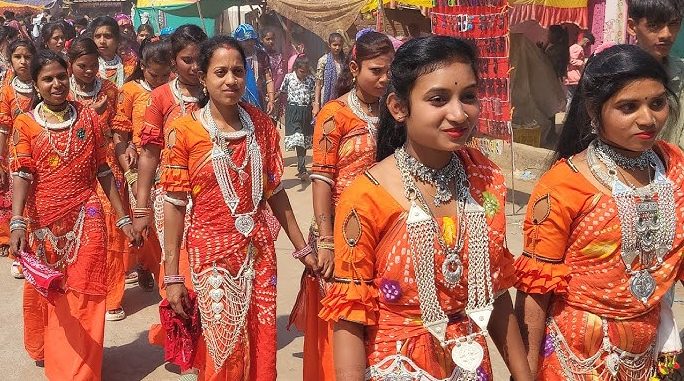
Paan Vala Haar is more than just a piece of jewelry — it’s a cultural emblem that embodies the spirit of tribal women in Madhya Pradesh. Inspired by the sacred betel leaf, this traditional silver necklace is a symbol of purity, prosperity, and pride. Handcrafted with care and passed down through generations, Paan Vala Haar is not just worn — it’s celebrated.
🧭 Table 1: Article Outline
Table of Contents
| Heading Level | Title |
|---|---|
| H1 | Paan Vala Haar: A Jewel of Madhya Pradesh’s Tribal Heritage |
| H2 | Introduction |
| H2 | The Cultural Context of Madhya Pradesh |
| H3 | Rich Tribal Legacy |
| H3 | Jewelry as an Identity |
| H2 | What is Paan Vala Haar? |
| H3 | Meaning Behind the Name |
| H3 | The Inspiration: Betel Leaf |
| H2 | Craftsmanship and Design |
| H3 | Materials Used |
| H4 | Importance of Silver |
| H3 | The Making Process |
| H4 | Cutting and Shaping |
| H4 | Engraving and Detailing |
| H4 | Assembling the Haar |
| H2 | Symbolism and Significance |
| H3 | Religious Meaning |
| H3 | Social and Economic Value |
| H2 | Occasions for Wearing |
| H3 | Festivals like Bhagoriya |
| H3 | Weddings and Rites of Passage |
| H2 | Paan Vala Haar in Tribal Communities |
| H3 | Bhil Community |
| H3 | Gond and Baiga Tribes |
| H2 | Intergenerational Traditions |
| H2 | Evolution and Modern Interpretations |
| H3 | Contemporary Designs |
| H3 | Urban Influence |
| H2 | Challenges to the Tradition |
| H3 | Modernization and Mass Production |
| H3 | Loss of Traditional Skills |
| H2 | Reviving and Preserving the Craft |
| H3 | Government and NGO Support |
| H3 | Role of Artisans |
| H2 | How to Identify Authentic Paan Vala Haar |
| H3 | Hallmarks of Original Pieces |
| H3 | Price and Weight Range |
| H2 | External Resources for Learning More |
| H2 | Conclusion |
| H2 | FAQs |
📄 Table 2: Full Article
Paan Vala Haar: A Jewel of Madhya Pradesh’s Tribal Heritage

Introduction
Have you ever stumbled upon jewelry so deeply rooted in culture that it tells a story just by existing? That’s exactly what Paan Vala Haar does — a traditional necklace worn by tribal women in Madhya Pradesh, drawing inspiration from none other than the humble paan (betel leaf). This isn’t just a fashion accessory — it’s a living memory, a sacred heirloom, and a dazzling artifact of tribal identity.
The Cultural Context of Madhya Pradesh
Rich Tribal Legacy
Madhya Pradesh is often called the heart of India, and rightly so. Home to numerous tribal communities like the Bhil, Gond, and Baiga, this central Indian state is a treasure trove of cultural expression. Each tribe brings its own unique blend of traditions, beliefs, and — most interestingly — jewelry.
Jewelry as an Identity
For these tribes, jewelry isn’t just adornment. It’s a symbol of pride, status, and spirituality. While each tribe has its distinctive ornaments, the Paan Vala Haar holds a revered place, especially among women.
What is Paan Vala Haar?
Meaning Behind the Name

Let’s break it down: “Paan” means betel leaf, and “Haar” refers to a necklace or garland. So, a Paan Vala Haar is a necklace made with elements shaped like betel leaves, linked together to form an elegant chain.
The Inspiration: Betel Leaf
In Indian culture, the betel leaf is more than just something you chew after a meal. It signifies auspiciousness, purity, and prosperity — traits that naturally make it a popular motif in traditional jewelry.
Craftsmanship and Design
Materials Used
The most common material used for making Paan Vala Haar is silver.
Importance of Silver
Silver isn’t just chosen for its beauty. It’s believed to have cooling properties, represent purity, and is more accessible than gold. Plus, silver is easier to mold into intricate shapes like paan leaves.
The Making Process
Crafting a single Paan Vala Haar can take several days of delicate handwork.
Cutting and Shaping
Artisans start with thin sheets of silver. They carefully cut out small paan-shaped leaves using chisels and molds.
Engraving and Detailing
Once the shapes are cut, each leaf is engraved with micro-patterns — often floral or tribal symbols. This step is done with tiny tools and lots of patience.
Assembling the Haar
All the engraved leaves are then linked together using a silver wire or thread, forming a complete necklace that can weigh between 150 to 200 grams.
Symbolism and Significance
Religious Meaning

Paan is often associated with Goddess Lakshmi, the deity of wealth. Wearing a necklace shaped like betel leaves is a tribute to divine blessings, especially during holy ceremonies.
Social and Economic Value
These necklaces are often passed down from mother to daughter, making them family heirlooms with emotional and monetary worth.
Occasions for Wearing
Festivals like Bhagoriya
The Bhagoriya festival, known for its celebration of love and freedom, is a prime occasion where tribal women adorn themselves with the Paan Vala Haar.
Weddings and Rites of Passage
From marriage ceremonies to coming-of-age celebrations, this necklace is worn with pride to mark significant life events.
Paan Vala Haar in Tribal Communities
Bhil Community
Among the Bhils, this necklace is often customized with additional pendants or tinkling charms, making it both a fashion statement and a spiritual token.
Gond and Baiga Tribes
The Gonds and Baigas treat the necklace with ritualistic respect, sometimes even using it in folk dance performances.
Intergenerational Traditions
Tradition runs deep. It’s common to find grandmothers handing over their Paan Vala Haar to their granddaughters during festivals, ensuring the craft lives on.
Evolution and Modern Interpretations
Contemporary Designs
Modern jewelers are now adapting the design into lighter versions, mixing in semi-precious stones and experimenting with minimalist styles.
Urban Influence
Urban boutiques are beginning to showcase these tribal pieces, creating a bridge between heritage and haute couture.

Challenges to the Tradition
Modernization and Mass Production
With the rise of machine-made jewelry, handcrafted pieces like the Paan Vala Haar are becoming rarer.
Loss of Traditional Skills
Young artisans often migrate for jobs, leading to a decline in the transmission of skills from one generation to the next.
Reviving and Preserving the Craft
Government and NGO Support
Various programs are now promoting handcrafted tribal jewelry via exhibitions, grants, and training workshops.
Role of Artisans
Artisans themselves are taking to social media and local fairs to showcase their unique pieces, generating interest and income.
How to Identify Authentic Paan Vala Haar
Hallmarks of Original Pieces
Look for hand-engraved leaf patterns, slightly irregular shapes, and the cool touch of real silver.
Price and Weight Range
A genuine necklace usually weighs 150–200 grams and can cost anywhere between ₹5,000 to ₹15,000 depending on craftsmanship.
External Resources for Learning More
Conclusion
The Paan Vala Haar isn’t just jewelry — it’s a reflection of tribal resilience, feminine grace, and cultural pride. Every paan-shaped leaf is a tribute to ancestral wisdom, lovingly forged in silver and passed through generations. In an age where fast fashion dominates, treasures like this remind us that the past is not just to be remembered — it’s to be worn with pride.

FAQs
1. What is the Paan Vala Haar made of?
It’s primarily made of silver, shaped and engraved to resemble betel leaves.
2. Is it still worn today?
Yes, especially during festivals, weddings, and by women in tribal communities.
3. Can I buy a Paan Vala Haar online?
Some artisan platforms and tribal cooperatives offer these online, but authenticity is key.
4. Why is silver preferred over gold?
Silver is symbolic of purity and cooling, and it’s more affordable and workable than gold.
5. How do I know if a Paan Vala Haar is authentic?
Check for handcrafted detailing, weight, irregular leaf shapes, and hallmark silver certification.