
| Heading Level | Title |
|---|---|
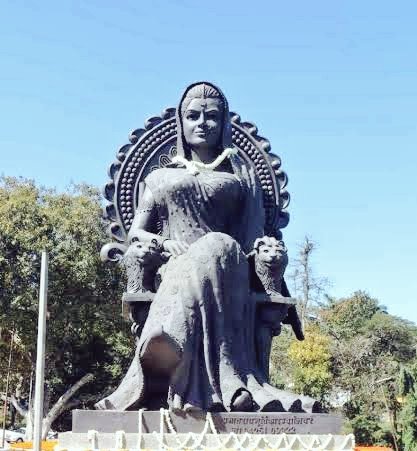
| H1 | Rani Kamlapati: The Last Hindu Queen of Bhopal |
| H2 | Introduction |
| H2 | The Rise of a Queen |
| H3 | The Beauty and Wisdom of Princess Kamlapati |
| H3 | Marriage to Nizam Shah |
| H2 | A Tragic Turn: The Assassination of Nizam Shah |
| H3 | Kamlapati’s Leadership After Her Husband’s Death |
| H3 | A Mother and a Monarch |
| H2 | The Alliance with Dost Mohammad Khan |
| H3 | A Calculated Political Move |
| H3 | Betrayal and Power Shift |
| H2 | The Fall of the Hindu Rule in Bhopal |
| H3 | Mughal Takeover |
| H3 | The Jalsamadhi of Kamlapati |
| H2 | The Symbol of Power: The Kachla |
| H3 | What is a Kachla? |
| H3 | Cultural and Warrior Significance |
| H2 | Legacy of Rani Kamlapati |
| H3 | Her Name in Modern India |
| H3 | Architectural Tribute: Rani Kamlapati Palace |
| H2 | Conclusion |
| H2 | FAQs |
| H3 | Who was Rani Kamlapati? |
| H3 | What happened to her after her husband died? |
| H3 | Who was Dost Mohammad Khan? |
| H3 | What is the meaning of Kachla? |
| H3 | What is Rani Kamlapati’s legacy today? |
Table of Contents
Rani Kamlapati: The Last Hindu Queen of Bhopal
Introduction
Ever heard of a queen who ruled not just with elegance, but with fierce bravery too? Meet Rani Kamlapati, the last Hindu queen of Bhopal—a symbol of beauty, strength, and strategic intellect. Her story, rooted in 18th-century India, isn’t just about royal lineage—it’s a tale of political chess, betrayal, and a woman’s will to protect her legacy.
The Rise of a Queen
The Beauty and Wisdom of Princess Kamlapati
Born into royalty in Ginnorgarh, Kamlapati wasn’t your average princess. She was admired for her ethereal beauty, but even more for her razor-sharp intellect. Known across Bundelkhand and Baghelkhand, she was a blend of grace and grit—a rare combination in any era.

Marriage to Nizam Shah
Her marriage to Raja Nizam Shah, the Gond ruler of the Malwa region, was more than a royal alliance—it was the start of her journey as a future queen. Together, they ruled Gondwana, with Bhopal at the heart of their power.
A Tragic Turn: The Assassination of Nizam Shah
Kamlapati’s Leadership After Her Husband’s Death
Things took a dark turn when Nizam Shah was assassinated. Instead of retreating into grief, Kamlapati did something extraordinary—she took charge. With her young son, she assumed control of Gondwana, stepping into a male-dominated world with fearless determination.
A Mother and a Monarch
Being a single mother and a ruler wasn’t easy. But Kamlapati managed both roles, skillfully navigating internal threats and external politics. She was more than a caretaker of the throne—she was a warrior queen ready to protect her land.
The Alliance with Dost Mohammad Khan
A Calculated Political Move
In a strategic move, she sought the help of Dost Mohammad Khan, an Afghan mercenary and Mughal commander. He had the army, the influence, and the ambition. At the time, it seemed like a partnership made for survival.

Betrayal and Power Shift
But power rarely comes without a price. Dost Mohammad Khan eventually seized Bhopal for himself, declaring it a princely state under his control. Kamlapati had unknowingly invited the end of Hindu rule in the region.
The Fall of the Hindu Rule in Bhopal
Mughal Takeover
With Khan’s takeover, Bhopal transitioned from a Hindu kingdom to a Mughal princely state. It marked a pivotal moment in Indian history—a silent but significant change of power and culture.
The Jalsamadhi of Kamlapati
Overwhelmed by betrayal and unable to see her land in foreign hands, Rani Kamlapati chose Jalsamadhi—a ritual drowning in water, often seen as an act of ultimate sacrifice and dignity in some Indian traditions.
The Symbol of Power: The Kachla
What is a Kachla?
On the day of her death, witnesses say her Kachla—a silver forehead ornament—still gleamed on her brow. Worn by Bundeli and Bagheli women, it wasn’t just jewelry; it was a badge of courage.
Cultural and Warrior Significance
The Kachla symbolized more than fashion. For queens and warrior women, it represented honor, leadership, and a connection to divine femininity. Even in death, Kamlapati wore it like armor.
Legacy of Rani Kamlapati
Her Name in Modern India
Today, her name lives on—schools, roads, and even a railway station in Bhopal are named after her. She’s remembered not just for how she lived, but for how she faced death—on her own terms.
Architectural Tribute: Rani Kamlapati Palace
One of the most iconic structures in Bhopal is the Rani Kamlapati Palace, built near the Upper Lake. It’s a beautiful yet haunting reminder of her life, her battles, and her legacy.

Conclusion
Rani Kamlapati’s story is not just a chapter in history books—it’s a narrative that echoes through time. She was a queen who didn’t wait for rescue, a mother who fought for her child’s kingdom, and a woman who defied norms with elegance and strength. Her legacy isn’t just in monuments or names; it’s in the spirit of every woman who dares to lead.
FAQs
Who was Rani Kamlapati?
Rani Kamlapati was the last Hindu queen of Bhopal, known for her beauty, intelligence, and courageous leadership after her husband’s assassination.
What happened to her after her husband died?
After her husband Nizam Shah was murdered, she took control of Gondwana with her son and ruled as queen before being betrayed by Dost Mohammad Khan.
Who was Dost Mohammad Khan?
He was an Afghan mercenary and Mughal commander who initially allied with Rani Kamlapati but later took over Bhopal, ending Hindu rule in the region.
What is the meaning of Kachla?
Kachla is a silver forehead ornament traditionally worn by Bundeli and Bagheli women, symbolizing honor, bravery, and status.
What is Rani Kamlapati’s legacy today?
Her name is honored through various landmarks, including a palace and a railway station, and she remains a symbol of bravery and resistance in Indian history.
| Anchor Text | Destination URL |
|---|---|
| Rani Kamlapati | https://www.britannica.com/place/Bhopal-India |
| Bundelkhand | https://en.wikipedia.org/wiki/Bundelkhand |
| Bhopal | https://bhopal.nic.in/en/ |
| Dost Mohammad Khan | https://en.wikipedia.org/wiki/Dost_Mohammad_Khan_(Bhopal) |
| Mughal princely state | https://www.worldhistory.org/Mughal_Empire/ |
| Jalsamadhi | https://www.learnreligions.com/jalsamadhi-and-its-spiritual-significance-1770068 |

| Anchor Text | Internal URL |
|---|---|
| Top 10 Forgotten Women Warriors of India | https://theridhisidhi.in/forgotten-women-warriors |
| History of Bhopal: From Hindu Queens to Nawabs | https://theridhisidhi.in/history-of-bhopal |
| The Gond Kingdom: Rise and Fall | https://theridhisidhi.in/gond-kingdom-history |
| Female Rulers in Indian History | https://theridhisidhi.in/female-rulers-india |
| Symbolic Jewelry in Indian Royalty | https://theridhisidhi.in/symbolic-jewelry-indian-royalty |
| Rani Kamlapati Palace Travel Guide | https://theridhisidhi.in/rani-kamlapati-palace-guide |
| Legacy of Women Leaders in Madhya Pradesh | https://theridhisidhi.in/legacy-women-leaders-madhya-pradesh |
| Jalsamadhi Rituals and Cultural Meaning | https://theridhisidhi.in/jalsamadhi-rituals-explained |
| Mughal Expansion in Central India | https://theridhisidhi.in/mughal-expansion-central-india |
| Dost Mohammad Khan’s Role in Bhopal’s History | https://theridhisidhi.in/dost-mohammad-khan-bhopal-history |