
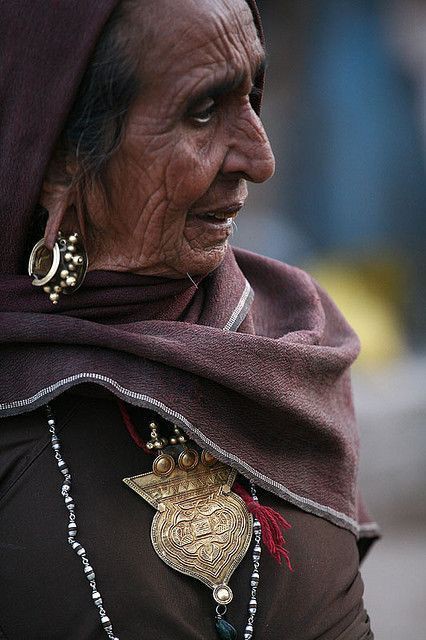
Ear stretching is an ancient and fascinating tradition practiced by the women of Gujarat, especially in the Kutch region. It involves gradually enlarging the ear lobes to accommodate large and ornate jewelry pieces, sometimes so big that an egg can pass through the hole. But why do they do it? Let’s explore the history, cultural significance, and process behind this extraordinary practice.
The Origins of Ear Stretching in Gujarat
1518: The First Recorded Mention by Duarte Barbosa
The practice of ear stretching in Gujarat is not new. Portuguese traveler Duarte Barbosa mentioned this tradition in his 1518 writings about ‘Guzerate’ (Gujarat). This proves that ear stretching has been an integral part of Gujarati culture for centuries.
Why Do Women in Kutch Stretch Their Ear Lobes?

Symbolism in Traditional Communities
In Gujarat, especially in the Kutch region, stretched ears signify cultural pride and tradition. Women believe that stretched ear lobes enhance beauty and indicate their social standing.
Status and Beauty Standards
Women with larger ear piercings are often considered more beautiful and respectable in traditional communities. The size of the ear hole often symbolizes a woman’s patience, endurance, and wealth.
How Is Ear Stretching Done?
The Initial Piercing and Small Rings
- A small hole is initially pierced in the ear lobe.
- A small metal ring or earring is inserted.
Gradual Expansion Over Time
- Over time, larger rings are used to expand the hole.
- This process can take years, gradually increasing the hole’s size.
The Role of Heavy Jewelry in Stretching
- Heavy ornaments like ‘Tundi’ or ‘Dhungri’ are worn, naturally pulling the lobe downward and expanding the hole further.
Types of Jewelry Worn in Stretched Ears
Tundi and Dhungri: Popular Earring Styles
- Tundi: A large decorative earring worn in the stretched hole.
- Dhungri: Medium-sized stud earrings, often adorned with gemstones.

The Artistic Design of Dhungri Earrings
- These earrings often feature floral or star designs with 7 to 11 points.
- They are embellished with red and green glass stones.
Materials Used in Traditional Earrings
- Gold, silver, and glass stones are commonly used.
- Some pieces weigh between 50 to 100 grams.
How This Tradition Has Evolved Over Time?
Influence of Modern Fashion Trends
- Younger generations are opting for smaller piercings due to modern fashion trends.
- Traditional large jewelry is being replaced with lightweight designs.
The Decline of Traditional Practices
- Western influences and convenience have led to a decline in ear stretching.
- Many women prefer clip-on or smaller earrings instead of permanent stretching.
Potential Risks and Care Tips
How to Maintain Healthy Stretched Lobes?
- Regular cleaning with antiseptic solutions.
- Avoiding excessive weight on earrings to prevent tearing.
Common Issues and Their Remedies
- Infections: Using natural oils and antiseptics helps in healing.
- Tearing: If stretching is done too quickly, the lobe may tear, requiring surgical repair.
Preserving a Unique Cultural Identity

Despite the decline in popularity, ear stretching remains a cherished cultural tradition in Gujarat. It symbolizes endurance, beauty, and social status. Efforts are being made to preserve this tradition through education and cultural awareness.
FAQs
1. Why do Gujarati women stretch their ears?
This tradition signifies beauty, status, and cultural heritage in the Kutch region.
2. How long does it take to stretch an ear lobe?
The process can take several years, as it requires gradual stretching to prevent damage.
3. Are there any health risks associated with ear stretching?
Yes, if not done properly, it can cause infections, tearing, or excessive pain.
4. What materials are used in traditional stretched earrings?
Gold, silver, glass stones, and sometimes semi-precious gems are used.
5. Is ear stretching still common in Gujarat today?
While the practice is declining, some rural communities still follow it as a symbol of tradition.