
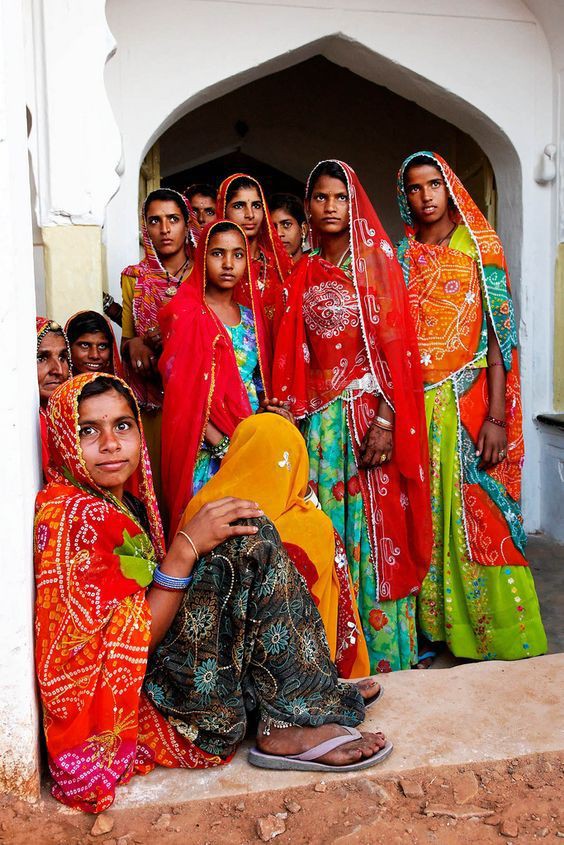
Ramjhol Payal, a graceful ornament that delicately jingles with every step, is much more than a mere piece of jewelry. Deeply rooted in Indian culture, it carries a legacy of elegance, tradition, and emotional connection. Often called “Pajeb” or “Jhanjhar,” it symbolizes beauty and bonds between people.
What is Ramjhol Payal?
Ramjhol Payal is a traditional anklet embellished with tiny ghungroos (bells) that produce a melodious sound. It typically weighs around 100 grams, making it both durable and luxurious.
Significance in Indian Culture
Worn by women during auspicious occasions and festivals, Ramjhol Payal signifies prosperity, happiness, and marital bliss. It is often gifted to brides as a blessing for their new beginnings.

Etymology and Meaning
The term “Ramjhol” originates from two words — “Ram” symbolizing peace and happiness, and “Jhol” referring to a rhythmic, gentle sound. Together, they represent the harmony and joy that the sound of the payal brings.
Design and Craftsmanship
Artisans handcraft Ramjhol Payal using metals like silver or gold, often adorned with precious stones and pearls. The intricate designs and symmetrical patterns showcase traditional Indian artistry.
The Sound of Ramjhol
The soft chime of the ghungroos is not merely decorative but also symbolic. It is believed to ward off negativity and bring positive energy.
Royal Connection
In ancient times, Ramjhol Payal was a mark of aristocracy. The sound of the payal announced the presence of royal women, symbolizing their status and elegance.
Regional Variations
Every region in India boasts its own version of Ramjhol Payal. From the robust designs of Rajasthan to the delicate filigree patterns of Gujarat, each style reflects local traditions and aesthetics.
Modern Adaptations
While traditional designs remain popular, contemporary jewelers now offer sleek, minimalistic payals suitable for modern wear. These designs often blend traditional craftsmanship with modern aesthetics.
Spiritual and Symbolic Value
Many believe that wearing Ramjhol Payal promotes positive energy and good luck. It is often a part of religious ceremonies and spiritual practices.
How to Style Ramjhol Payal
Ramjhol Payal can be paired with sarees, lehengas, or even fusion outfits. For a bridal look, heavy and ornate designs are ideal, while lightweight payals complement casual attire.

Benefits of Wearing Ramjhol Payal
- Health Benefits: Some believe that the gentle pressure from the payal stimulates acupressure points in the feet, promoting well-being.
- Emotional Impact: The sound of the payal is soothing and often evokes nostalgia and joy.
Sustainability and Ethical Choices
Choosing Ramjhol Payal made by local artisans supports traditional craftsmanship. Many jewelers now offer eco-friendly designs using recycled metals.
Care and Maintenance Tips
- Clean payals with a soft cloth and mild soap to maintain their shine.
- Store in a dry place to prevent tarnishing.
Conclusion
Ramjhol Payal is a timeless treasure that symbolizes beauty, culture, and harmony. Whether worn during special occasions or as a daily adornment, its significance remains unparalleled.
FAQs
1. What is the significance of Ramjhol Payal in weddings? Ramjhol Payal is a traditional bridal accessory, symbolizing prosperity, joy, and marital bliss.
2. How can I identify authentic Ramjhol Payal? Look for hallmarks on silver or gold payals and purchase from reputed jewelers for authenticity.
3. Is Ramjhol Payal suitable for daily wear? Yes, lightweight designs are available for daily use, offering both comfort and style.
4. What materials are commonly used to make Ramjhol Payal? Silver, gold, pearls, and precious stones are often used in crafting Ramjhol Payal.
5. Can men wear Payal in Indian culture? Traditionally, payals are worn by women, but modern fashion encourages gender-fluid jewelry choices, allowing men to wear them as well.