
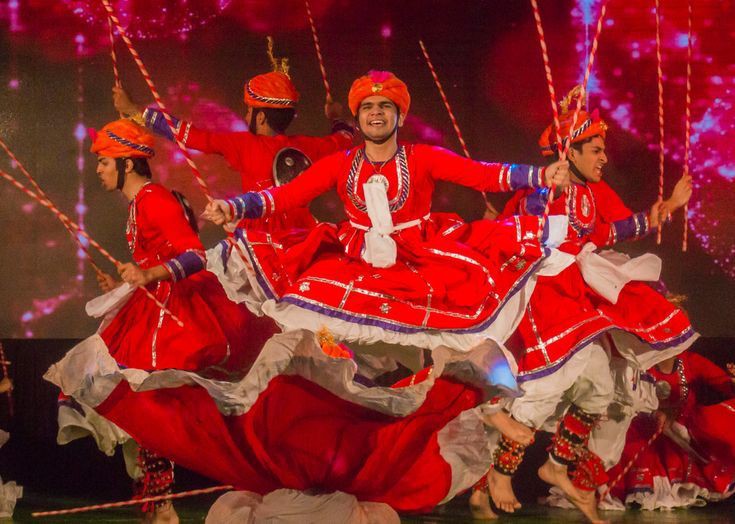
Gajjalu, a unique piece of theatrical costume jewelry, has been an integral part of Indian cultural heritage. Commonly worn by male dancers during folk performances, these traditional ankle bells resonate with the rhythm of every step, enhancing the overall artistic expression. Let’s dive into the fascinating world of Gajjalu and explore its significance.
What is Gajjalu?
Gajjalu refers to brass ankle bells sewn onto a leather strip. This ancient accessory serves not only as an embellishment but also as a rhythmic instrument. The sound produced by Gajjalu adds depth to folk dances and traditional plays.
Historical Background
The history of Gajjalu dates back to ancient Indian theatrical traditions. From temple dances to royal performances, Gajjalu has graced the ankles of performers, resonating with stories of the past.

Etymology of Gajjalu
The term “Gajjalu” originates from ancient Indian languages. It is closely associated with words like “ghungroo” and “paayal,” symbolizing the rhythmic bells used in dance.
Types of Gajjalu
- Light Gajjalu: Ideal for folk dances and simple performances.
- Heavy Gajjalu: Preferred for classical and royal dances, offering a profound rhythmic sound.
Materials Used in Making Gajjalu
Gajjalu are typically made using brass for the bells and durable leather for the strip. This combination ensures longevity and provides the desired sound quality.
How Gajjalu is Made
The making of Gajjalu involves several meticulous steps, including brass casting, bell shaping, and sewing onto leather strips. Skilled artisans craft these pieces with precision and dedication.
Significance in Folk Dance and Theatre
In traditional performances like Kathak, Yakshagana, and Kuchipudi, Gajjalu play a vital role. The rhythmic sounds amplify the dancer’s movements, enriching the storytelling experience.
Gajjalu in Regional Performances
Each region in India has its variation of Gajjalu. For instance:
- Kathak Dancers: Wear heavy Gajjalu for powerful sound effects.
- Yakshagana Performers: Use Gajjalu to add drama and intensity.
- Kuchipudi Artists: Incorporate them for graceful and rhythmic expressions.
Weight Variations and Usage
- 500 Grams to 1 Kg: Ideal for lighter, everyday performances.
- 1 Kg to 2 Kg: Used in grand stage performances to produce resonant sounds.

Symbolism of Gajjalu
Beyond their aesthetic appeal, Gajjalu symbolize devotion, discipline, and cultural pride. The rhythmic sound is believed to ward off negative energy and invite positive vibrations.
Care and Maintenance
To maintain Gajjalu’s shine and sound quality, follow these tips:
- Clean with a mixture of lemon and baking soda.
- Store in a dry place to prevent tarnishing.
- Regularly check the leather strip for wear and tear.
Modern Adaptations and Popularity
Today, Gajjalu are not only limited to traditional performances but also influence contemporary fashion and costume design. They are often seen in cultural festivals, weddings, and modern theatrical productions.
Why Gajjalu Remains Relevant Today
Gajjalu stands as a testament to India’s rich cultural heritage. By preserving and celebrating these traditional accessories, we honor the legacy of countless artists and performers.
Conclusion
From ancient temple courtyards to modern stages, Gajjalu continue to resonate with the heartbeat of Indian tradition. Embracing this cultural treasure not only enriches performances but also keeps the spirit of heritage alive.
FAQs
- What is the purpose of Gajjalu in dance? Gajjalu enhance the rhythmic aspect of dance by producing sound that complements the dancer’s movements.
- How are Gajjalu different from ghungroos? While both are ankle bells, Gajjalu are typically heavier and specifically used in theatrical and folk performances.
- Can Gajjalu be worn by female dancers? Yes, although traditionally worn by male dancers, female performers in folk and classical dances also use them.
- How to choose the right Gajjalu for a performance? The choice depends on the dance style, performance type, and the dancer’s comfort with the weight.
- Where can I buy authentic Gajjalu? Authentic Gajjalu can be purchased from traditional handicraft stores, cultural fairs, or online marketplaces specializing in ethnic accessories.