
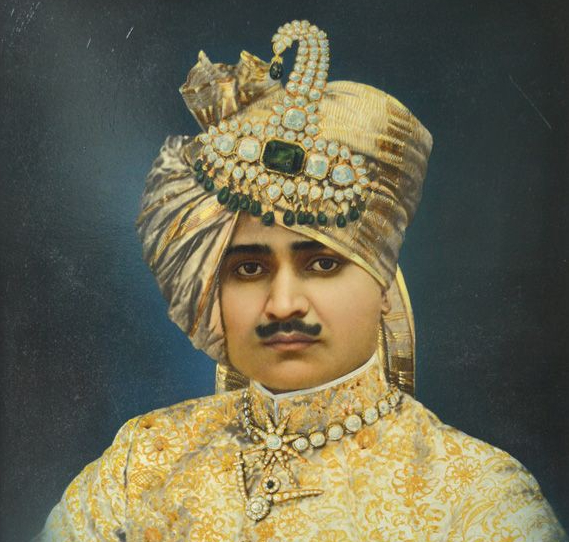
Imagine a kingdom where the king walks without his crown. Sounds strange, right? But this is exactly what happened when the British took control over India. The crown, a symbol of power and prestige, was forcibly taken away from Indian rulers. It wasn’t just about jewelry; it was about stripping away an identity that had ruled over vast lands for centuries.

The Fall of Indian Crowns
The Proclamation of Queen Victoria as Empress of India
In 1877, Queen Victoria declared herself the Empress of India. This move wasn’t just political; it was a calculated attempt to dismantle India’s sovereignty. With this declaration, British officials ensured that Indian kings were no longer seen as rulers but as mere vassals under the British crown.
The Ban on Indian Royalty Wearing Crowns
One of the first things the British did after Queen Victoria’s proclamation was to ban Indian rulers from wearing crowns. The crown, a defining symbol of a ruler’s authority, was deemed unnecessary by the British. They wanted Indian kings to be seen as powerless, mere figureheads who existed at their mercy.
Symbolic Attack on Indian Sovereignty
The removal of crowns wasn’t just about physical appearances—it was a psychological attack. It was a way of telling Indian rulers, “You are no longer in control.” This move weakened their political standing and reduced their influence over their subjects.
Delhi: The City of Crowns and Power
Delhi’s Royal Heritage
Delhi, the city of dynasties, had always been home to powerful rulers. Be it the Mughals, Rajputs, Sikhs, or Marathas—Delhi’s streets had seen them all, crowned and in full royal splendor.
How Delhi’s Streets Witnessed the Loss of Crowns
But after the British rule tightened its grip, these streets saw something else—kings without crowns. A once-powerful lineage of rulers now had to walk in their own capital, stripped of their royal headpieces. The grandeur of Delhi dimmed as the British robbed its rulers of their pride.

The Rise of Turban Ornaments
The Need for an Alternative Symbol of Royalty
Indian kings were resilient. If they couldn’t wear crowns, they would find another way to display their royal heritage. Thus, the tradition of turban ornaments (Jigha) was born.
The Birth of the Turban Ornament (Jigha)
These ornaments were no less grand than a crown. Made of gold, encrusted with the finest diamonds, emeralds, and rubies, they shone even in dim light. A holder at the back allowed a royal feather to be attached, maintaining the regal look.
Exquisite Craftsmanship and Precious Stones
These ornaments weren’t just accessories; they were masterpieces. The finest artisans crafted them, ensuring that they retained the essence of Indian royalty.
The Cultural and Political Impact
How This Move Weakened Indian Royals
By taking away their crowns, the British successfully made Indian rulers look less powerful. Subjects no longer saw their kings as supreme rulers, further cementing British dominance.
Psychological Warfare: Erasing the Royal Identity
The British didn’t just take land and wealth; they took away an identity. The absence of crowns was a constant reminder of British rule and the diminishing power of native kings.

The Response of Indian Kings
But Indian kings didn’t sit silently. They fought back in the way they could—through symbols. Turban ornaments became the new crowns, showing that their spirit remained unbroken.
British Strategy: A Masterstroke or Oppression?
A Mere Tradition or a Colonial Conspiracy?
Was this just a rule to regulate attire, or was it a deeper conspiracy to erase Indian royalty? The answer lies in history. The British systematically removed every sign of native power to establish their complete control.
The Larger British Agenda Behind the Move
By weakening kings, the British secured their rule. Without crowns, Indian rulers lost their divine status, making it easier for the British to impose their laws without much resistance.
Modern-Day Reflections
The Wedding Turban: A Forgotten Legacy?
Even today, Indian grooms wear turban ornaments on their wedding day. Is this just a tradition, or is it a faint echo of the time when kings had their crowns snatched away?
Is It Just Tradition or a Symbol of Resistance?
Perhaps, without realizing it, every Indian groom who wears a Jigha is unknowingly preserving a lost royal tradition.
Should We Demand Our Stolen Crown Back?
Restoring Lost Glory: A Possibility?
India has begun reclaiming its lost artifacts from museums around the world. Should our lost crowns be next?

The Role of Museums and Historical Preservation
Museums house many lost Indian treasures. Reclaiming these artifacts would mean reviving a piece of India’s lost history.
Conclusion
The British took away more than just land and resources; they took away India’s royal identity. The crown was more than a jewel—it was a symbol of sovereignty, dignity, and power. But while the physical crowns may be lost, their legacy continues through turban ornaments and royal traditions.