
Delhi has always been more than just a city—it has been the heart of power, politics, and empire-building. From grand Mughal courts to colonial rule, one thing remained central to India’s economy: Rupaya.
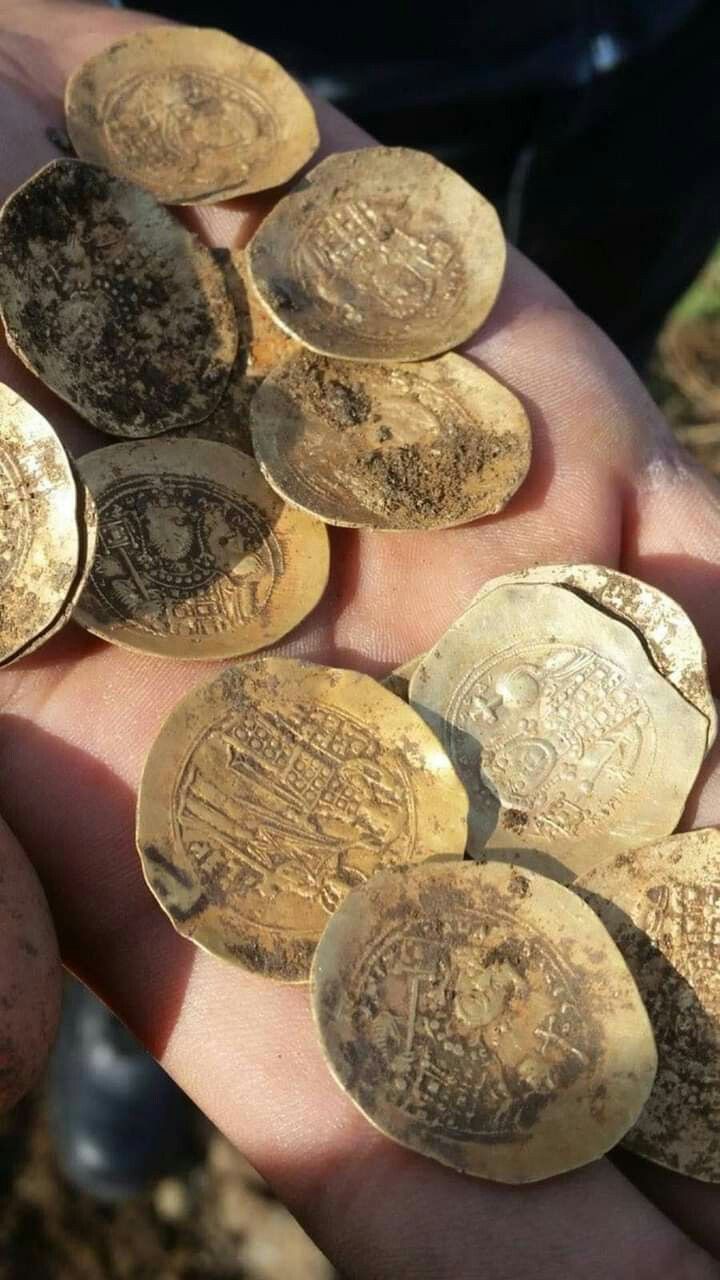
But did you know that the Rupaya we use today didn’t start as a mere piece of paper? It was once a solid silver coin that symbolized power, wealth, and stability.
This brings us to a major debate: Who was the real game-changer—Sher Shah Suri or Akbar? Let’s dive into history and uncover the journey of Rupaya.

The Birth of Rupaya: A Revolutionary Currency
Sher Shah Suri’s Economic Vision
In the 1540s, Sher Shah Suri, a brilliant Afghan ruler, introduced the silver Rupaya, a standardized coin that became the backbone of trade across Hindustan. Before his rule, currency was a chaotic mix of different coins, varying in weight and value.
Why Was Sher Shah Suri’s Rupaya Special?
Sher Shah Suri’s Rupaya had:
- Standard weight: 11.4 grams of pure silver.
- Universal acceptance: Used in every trade and transaction.
- Long-lasting impact: Even the mighty Mughals continued this system.
His innovation ensured that business flourished, and people trusted the currency.
Akbar’s Currency Reform: Strengthening Rupaya
Akbar’s Introduction of the Ilahi Tola System
When Akbar ascended the throne, he took currency reforms to the next level. He introduced the Ilahi Tola system, ensuring that all coins followed a specific weight standard.
Akbar’s currency system included:
- Gold Coin (Mohur) – 11.2 grams (For the elite and royalty)
- Silver Coin (Rupaya) – 11.4 grams (For trade and business)
- Copper Coin (Dam) – 20 grams (For common people)

Comparison of Sher Shah Suri’s and Akbar’s Currency Systems
| Feature | Sher Shah Suri’s Rupaya | Akbar’s Rupaya |
|---|---|---|
| Weight | 11.4 grams | 11.4 grams |
| Metal | Pure Silver | Standardized under Ilahi Tola |
| Usage | Mainly trade and military | Universal usage across all classes |
By ensuring uniformity, Akbar strengthened the economy and expanded Rupaya’s reach.
British Colonial Rule: The Fall of the Original Rupaya
How the British Changed Everything
Enter the British, and everything took a sharp turn. They introduced paper money, replacing silver coins. Their objective? To drain India’s wealth and control the economy.
- Devaluation of Rupaya: British policies removed the silver standard.
- Forced currency shift: Paper notes became mandatory.
- Loss of financial power: India’s economic independence was destroyed.
Impact on India’s Economy
The British turned Rupaya from a powerful metal currency into mere paper, weakening India’s financial strength.
What If the British Hadn’t Come?
Would We Still Be Using Silver and Gold Coins?
If the British had never colonized India, things might have been different:
- Silver and gold coins could still be in circulation.
- India’s currency could have been one of the strongest in the world.
- The economy might have remained self-sufficient.
Why Do We Still Buy Gold and Silver on Festive Occasions?
Ever wondered why we buy gold and silver on Dhanteras and Akshay Tritiya? It’s not just tradition—it’s a reminder of a time when Rupaya was real wealth.

Conclusion
The journey of Rupaya—from Sher Shah Suri’s innovation to Akbar’s refinement, and finally, to British devaluation—is a powerful lesson in history. What was once a currency of strength became just another piece of paper.
Even today, Indians value gold and silver as a way to honor their financial heritage. Perhaps, in some way, we’re still holding on to the original Rupaya.
FAQs
1. Who introduced the first Rupaya in India?
Sher Shah Suri introduced the first silver Rupaya in the 1540s, setting the foundation for India’s currency system.
2. Why was Sher Shah Suri’s Rupaya significant?
It brought standardization, stability, and trust in trade, making it the most powerful currency of its time.
3. How did Akbar improve the currency system?
Akbar introduced the Ilahi Tola system, ensuring that all coins had uniform weight and value, reducing fraud and increasing trust.
4. Why did the British replace metal coins with paper money?
The British devalued Rupaya to control India’s economy and extract wealth, replacing silver coins with printed notes.
5. Is the Indian Rupee still influenced by its historical roots?
Yes! The Indian Rupee (₹) continues to reflect its legacy, and Indians still buy gold and silver as a nod to their financial history.