
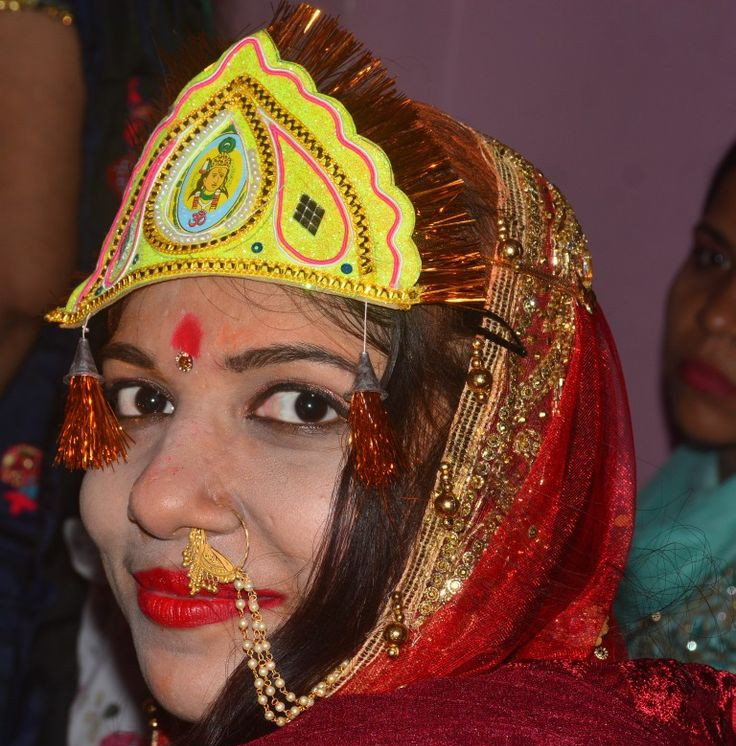
Imagine a crown, not just any crown, but one that holds centuries of tradition and grace. That’s what the Mauḍ is – a head ornament uniquely crafted for Indian weddings. Traditionally worn by both the bride and the groom, it represents the epitome of elegance and cultural heritage. Made of gold and silver, the Mauḍ is not just an accessory but a statement piece symbolizing honor, dignity, and blessings for a new beginning.

Its Cultural and Traditional Significance
The Mauḍ is more than just jewelry; it is a symbol of auspiciousness. In Indian weddings, it is believed to bring good fortune to the couple and solidify their bond in the presence of divine blessings.
History of Mauḍ
Origins of Mauḍ
The roots of the Mauḍ trace back to royal families of ancient India. Inspired by the crowns worn by kings and queens, it was adapted as a wedding ornament to signify royalty and grace.
Evolving Designs of Mauḍ Over Time
The traditional Mauḍ was simple yet elegant, often studded with gemstones or intricate carvings. Over the years, it has transformed, with contemporary designs incorporating modern aesthetics while retaining its traditional charm.
Significance of Mauḍ in Weddings
Mauḍ as a Wedding Ornament
For the bride, the Mauḍ accentuates her beauty, complementing her attire and symbolizing her transition into a new chapter of life. For the groom, it adds a touch of regal elegance, completing his majestic look.
Symbolism of Mauḍ
The Mauḍ is a physical manifestation of the couple’s honor and dignity. Its placement near the forehead is said to channel divine blessings, reinforcing the sacredness of the marital bond.

Craftsmanship and Materials
How Mauḍ Is Made
The creation of a Mauḍ is no less than an art form. Craftsmen meticulously design it using gold or silver, embedding intricate patterns, motifs, and sometimes precious stones.
Regional Variations
Different parts of India bring their unique flair to the Mauḍ. While Rajasthani Mauḍs are heavily embellished, South Indian designs are simpler but equally stunning.
Modern Adaptations
The Revival of Traditional Mauḍ
With the resurgence of interest in traditional weddings, Mauḍs have regained their prominence. Designers now blend vintage charm with contemporary aesthetics, making them a hit among millennials.
Celebrity Influence on Mauḍ Trends
High-profile celebrity weddings have brought Mauḍs back into the limelight. Their iconic wedding looks often feature stunning Mauḍ designs, inspiring others to embrace this timeless ornament.
How to Choose the Perfect Mauḍ
Factors to Consider
When selecting a Mauḍ, focus on the material, craftsmanship, and how well it complements your overall attire. A balance between tradition and personal style is key.
Budget-Friendly Options
Gold and silver Mauḍs can be expensive, but there are budget-friendly alternatives like gold-plated or imitation designs. Renting a Mauḍ is also a practical choice for those who want a luxurious look without the hefty price tag.
Mauḍ: A Crown of Love and Legacy
The Mauḍ is more than just an ornament; it is a legacy that embodies the essence of Indian weddings. It bridges the gap between tradition and modernity, offering a glimpse into the richness of cultural heritage. When a bride and groom don the Mauḍ, they aren’t just adorned with jewelry but are crowned with love, respect, and blessings.
FAQs
- What is the meaning of Mauḍ in Indian culture?
The Mauḍ symbolizes honor, dignity, and divine blessings, making it an essential part of Indian wedding traditions. - Can Mauḍ be worn for events other than weddings?
While traditionally worn for weddings, contemporary designs make it suitable for cultural events or festivals. - How do I maintain and store a Mauḍ?
Store the Mauḍ in a velvet-lined box and avoid exposure to moisture or harsh chemicals to preserve its shine and longevity. - Are there lightweight designs available for Mauḍ?
Yes, modern craftsmen offer lightweight Mauḍs, ensuring comfort without compromising on elegance. - What makes Mauḍ special compared to other head ornaments?
Unlike other ornaments, the Mauḍ is steeped in cultural and spiritual significance, representing both aesthetics and tradition