
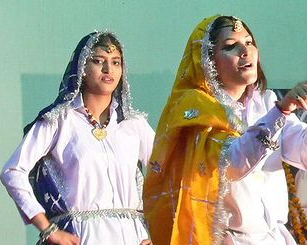
Have you ever heard the soft jingling of ghunghroos and wondered about their origin? In Haryana, “Ghunghat” isn’t just a piece of fabric; it’s a royal adornment that speaks of tradition, grace, and cultural depth. Unlike the simple odhni or dupatta, this Ghunghat is adorned with ghunghroos—tiny bells—that lend it a unique charm.

Origin and Meaning of Ghunghat
The word “Ghunghat” originates from “Ghunghroo,” the bells often sewn onto its edges. Traditionally, this odhni was a symbol of modesty, beauty, and mystery. A woman walking with her face partially covered by a Ghunghat exuded an aura of elegance and allure.
The Unique Design of Ghunghat
The Ghunghat isn’t just any head covering; it’s a masterpiece. Silver ghunghroos, delicately crafted by artisans, are stitched along the edges of the fabric. These bells create a melodious sound as the wearer moves, almost like a subtle song accompanying her.
Fabric Choices for Ghunghat
The choice of fabric enhances the beauty of the Ghunghat. Lightweight materials like chiffon, silk, and cotton are commonly used, ensuring comfort while maintaining an elegant flow. The fabric’s softness complements the jingling sound of the ghunghroos.
Sound and Aesthetic Appeal
Imagine walking into a room, and the gentle clinking of bells announces your presence. The Ghunghat’s sound isn’t just noise; it’s a rhythm that adds to the wearer’s grace. The melodic tune creates a soothing, almost magical atmosphere.

Cultural Symbolism of Ghunghat
In Haryana, the Ghunghat symbolizes modesty, humility, and beauty. The act of covering one’s face with this ornamented odhni portrays a woman’s grace and respect for cultural values, while the jingling bells add a touch of mystery and allure.
Role of Ghunghat in Haryana’s Heritage
Ghunghat holds a special place in Haryana’s festivals and weddings. It’s not just a decorative piece but a legacy passed down from mothers to daughters. It plays a starring role in traditional ceremonies, where its jingling sound becomes part of the celebration.
Craftsmanship Behind Ghunghat
Creating a Ghunghat is no ordinary task. Local artisans skillfully design the silver ghunghroos, each crafted to perfection. These bells are then meticulously attached to the fabric, ensuring both durability and beauty.
Weight and Practicality
Although the Ghunghat is adorned with silver bells, its weight is perfectly balanced. The slightly heavy design keeps it stable, ensuring it stays in place while the wearer moves. This balance adds to its practicality without compromising comfort.
Emotional and Nostalgic Value
For many women, a Ghunghat is more than just an accessory—it’s a treasure trove of memories. Watching their mothers or grandmothers don this regal odhni evokes a sense of connection and pride in their heritage.
Ghunghat in Modern Times
In today’s world, the Ghunghat has evolved while retaining its traditional essence. Designers are incorporating it into contemporary fashion, making it suitable for both traditional and modern occasions.
Versatility in Styling
From pairing it with lehengas for weddings to draping it over a saree for festivals, the Ghunghat is versatile. It can be styled in numerous ways, making it a cherished piece for various events.
Ghunghat’s Role in Empowerment
While the Ghunghat represents modesty, it also symbolizes strength and identity. It connects women to their cultural roots and reminds them of their heritage, empowering them to carry their traditions with pride.
Preserving the Legacy of Ghunghat
Efforts are being made to sustain this beautiful craft. Younger generations are being introduced to the art of Ghunghroo-making and the cultural significance of the Ghunghat, ensuring its legacy remains alive.
Conclusion
The Ghunghat isn’t just an accessory; it’s a piece of art, a cultural icon, and a symbol of beauty and tradition. With its jingling sound and elegant design, it continues to captivate hearts and stand as a testament to Haryana’s rich heritage.
FAQs
1. What is the Ghunghat’s main purpose?
The Ghunghat is both a decorative and symbolic accessory, representing modesty, beauty, and cultural values.
2. What materials are used in making a Ghunghat?
Common materials include chiffon, silk, and cotton, adorned with intricately designed silver ghunghroos.
3. Is the Ghunghat still relevant in modern fashion?
Yes, modern adaptations of the Ghunghat make it suitable for contemporary and traditional attire.
4. How is the Ghunghat different from a regular odhni or dupatta?
The Ghunghat is unique due to its silver bell embellishments, which create a melodious sound, enhancing its charm.
5. Can the Ghunghat be worn with western outfits?
While traditionally paired with ethnic wear, modern designs allow it to complement fusion and western outfits.