
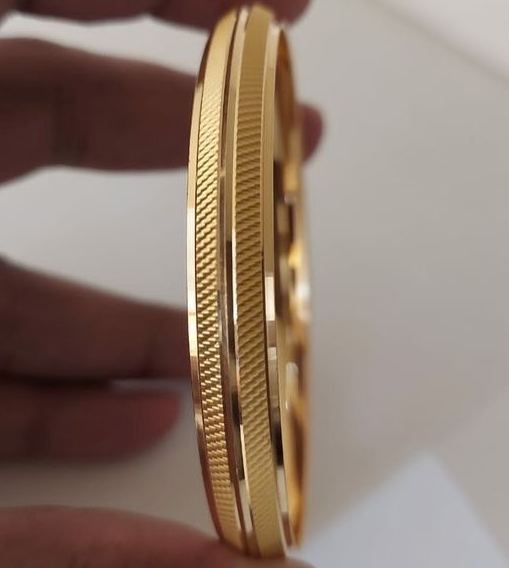
What does a simple steel bangle on a Sikh’s wrist represent? It’s more than just an ornament—it’s a timeless symbol of faith, identity, and discipline. The Kara, introduced by Guru Gobind Singh Ji in 1699 during the Baisakhi Amrit Sanchar, holds deep spiritual and cultural significance. Let’s explore the fascinating story of this humble yet powerful symbol.
Historical Background
The Kara was established as one of the Five Ks that define the Sikh faith. Guru Gobind Singh Ji, the 10th Sikh Guru, envisioned the Kara as a constant reminder for Sikhs to stay connected to Waheguru and uphold righteous actions. Originally a simple iron bangle, it symbolized the eternal bond between the creator and creation.

Spiritual Significance of Kara
The Kara’s circular design represents infinity—it has no beginning and no end, much like Waheguru’s eternal presence. Wearing a Kara reminds Sikhs of their spiritual duties, emphasizing that actions should align with the teachings of Sikhism. It serves as a guide to moral behavior, honesty, and humility.
Kara as a Practical Tool
A Defensive Accessory
Historically, the Kara wasn’t just symbolic—it had a practical purpose. During battles, warriors used it as a makeshift weapon, similar to a knuckle-duster. Some traditional Karas were even designed with spikes or sharp edges for combat situations.
Use in the British Indian Army
Sikh soldiers in the British Indian Army wore Karas as part of their identity. In disputes, they used a form of boxing called “loh-muthi” (iron fist), where the Kara played a pivotal role.
Cultural Importance
The Kara transcends its spiritual significance to become a universal symbol of Sikh identity. Whether worn by a devout Sikh or someone appreciating its cultural value, the Kara reflects faith, pride, and community spirit.

Material and Design
Traditional Materials
Karas are traditionally made of iron or steel, symbolizing strength and resilience. Silver and gold variants are also popular for ceremonial purposes.
Weight and Variations
A Kara can weigh anywhere between 50 to 300 grams, depending on the wearer’s preference. Modern designs often incorporate intricate engravings, personal messages, or decorative elements.
Kara in Sikh Rehat Maryada
The Kara is one of the Five Ks that every Amritdhari Sikh must wear. It signifies commitment to the faith and acts as a constant reminder of the Sikh code of conduct.
Modern Use of Kara
A Fashion Statement
In addition to its religious importance, the Kara has found a place in contemporary fashion. Sleek designs and creative embellishments make it a versatile accessory.
Role in Contemporary Culture
Today, people across the globe wear the Kara, appreciating its aesthetics and the values it represents.
Symbol of Equality
The Kara promotes the core Sikh value of equality. Its simple design, traditionally worn by people of all backgrounds, breaks barriers of caste and class, emphasizing humility and unity.

Kara in Popular Culture
The Kara has been featured in movies, books, and media as a symbol of strength and tradition. Celebrities and public figures often wear Karas, further popularizing its significance.
Regional Variations
Different Sikh communities have adapted the Kara to reflect local traditions, resulting in diverse styles and designs. From plain iron Karas to intricately engraved ones, the variety is vast.
Kara’s Weight and Size
Choosing the right Kara often depends on personal preference and purpose. Heavier Karas symbolize strength, while lighter ones are designed for daily wear.
Kara as a Gift
A Kara is a meaningful gift in Sikh families, symbolizing blessings, protection, and spiritual growth. It’s often given during ceremonies or special occasions.
How to Care for Your Kara
Cleaning Tips
To maintain the shine, clean your Kara with a soft cloth and mild soap. Avoid harsh chemicals that can tarnish its surface.
Storage Suggestions
Store your Kara in a fabric-lined box to prevent scratches and preserve its quality.
Conclusion
The Kara is much more than a simple bangle. It’s a living testament to Sikh values, history, and identity. From its spiritual roots to its modern interpretations, the Kara remains a timeless symbol of faith, equality, and strength.
FAQs
- Why is the Kara circular in design?
The circular design represents infinity and the eternal nature of Waheguru. - What materials are traditionally used for making a Kara?
Iron and steel are traditional materials, but silver and gold are also used. - Is the Kara only for Sikhs?
While it’s a symbol of Sikh faith, anyone can wear it to appreciate its values. - Can a Kara be customized?
Yes, modern Karas can be customized with engravings, patterns, or personal touches. - What is the significance of the Kara in daily life?
It serves as a reminder of one’s faith, moral responsibilities, and connection to Waheguru.