
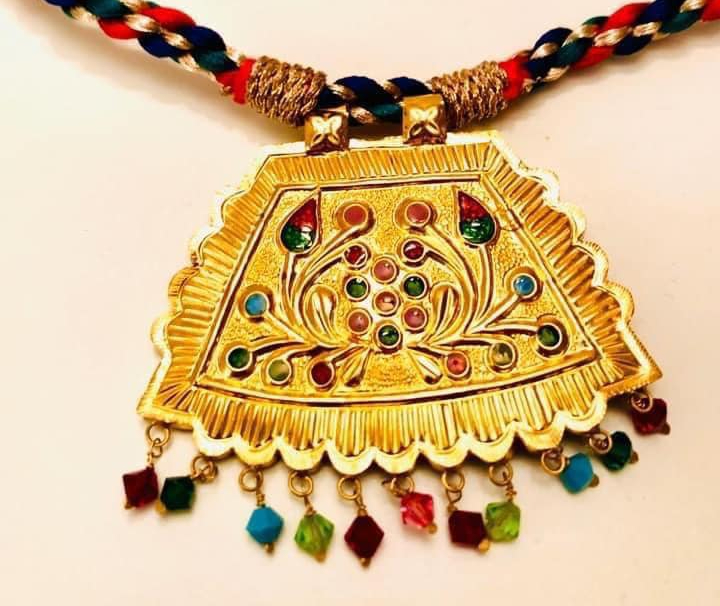
The Elegance of Nama Dogri Jewelry: A Cultural Legacy in Gold and Tradition
Introduction to Nama Dogri Jewelry
Dogri jewelry, with its rich history and cultural significance, stands as a symbol of tradition and heritage in the Dogra region of India. Among the most cherished pieces is Nama Dogri jewelry, which has captivated both local and global audiences with its intricate designs and profound symbolism. Rooted in the cultural fabric of Jammu and Kashmir, Nama jewelry isn’t just an accessory; it’s a legacy passed down through generations, each piece telling a story of devotion, artistry, and tradition.
In this article, we’ll take a closer look at the rich history, craftsmanship, and significance of Nama Dogri jewelry. From its deep ties with nature and spirituality to its modern-day relevance, Nama jewelry continues to be a beloved treasure in the Dogri culture.

The Significance of ‘Nama’ in Dogri Culture
What Does ‘Nama’ Mean?
The word “Nama” refers to a specific type of necklace in Dogri culture, often worn by women. However, the meaning behind it goes much deeper than just an ornament. Nama translates to “a blessed offering” or “a sacred adornment,” reflecting the deep spiritual connection embedded in these pieces. Traditionally, these necklaces were not just worn for beauty, but also as a form of protection and to invoke blessings.
Symbolism Behind Nama Jewelry
Every piece of Nama jewelry carries with it a powerful symbolic meaning. The intricate designs, often featuring floral patterns, animals, and deities, are not just decorative but are meant to convey deeper connections to nature and spirituality. Each piece of jewelry holds a blessing and is considered a bearer of positive energy, protection, and divine grace.
The Traditional Craftsmanship of Nama Jewelry
Materials Used in Nama Jewelry
One of the most striking features of Nama jewelry is its use of high-quality materials, which enhance the beauty and durability of each piece. Traditionally crafted using gold, these jewelry items are adorned with precious stones, pearls, and silk threads. The choice of materials adds to the richness and exclusivity of Nama jewelry, making it a sought-after treasure.
Gold and Its Role in Nama Jewelry
Gold, being a symbol of purity and wealth, plays a central role in Nama jewelry. The golden designs in Nama pieces are not just a sign of affluence but also represent the eternal nature of life and the unbroken link between generations. This connection to gold elevates the spiritual and cultural value of Nama jewelry, making it more than just a material possession.

Designs Inspired by Nature
Floral and Fauna Motifs in Nama Jewelry
Many designs in Nama Dogri jewelry are inspired by nature, particularly the local flora and fauna of the Dogra region. Floral motifs—such as lotus flowers, jasmine, and lily—symbolize purity, beauty, and grace. Similarly, animal-inspired designs (often from the natural wildlife of Jammu) represent strength, loyalty, and protection. This natural influence adds a unique charm to Nama jewelry, blending artistry with nature.
Nature’s Beauty Captured in Gold
Nama jewelry’s most enchanting feature is how it captures nature’s raw beauty in gold and precious stones. Whether it’s the intricate patterns of a blooming flower or the delicate elegance of a bird in flight, these designs encapsulate the essence of nature, preserving its splendor for generations to come.
The Pendant: Heart of Nama Jewelry
The Role of Pendants in Nama Jewelry
At the heart of every Nama necklace lies the pendant—a central piece that carries great significance. In the traditional designs, pendants often featured the images of deities or sacred symbols, making the jewelry a form of spiritual devotion. Pendants served not just as adornments but as protective talismans that were believed to bring blessings and safeguard the wearer from harm.
Traditional vs. Modern Pendant Designs
While traditional Nama pendants featured images of deities or divine figures, today’s pendants have evolved into diverse forms. Modern designs incorporate a mix of cultural and contemporary influences, allowing for greater variety and customization. However, the spirit of honoring tradition and culture remains at the core of these updated designs.

Cultural and Spiritual Significance
Pendants Representing Deities
Historically, the pendants in Nama jewelry often depicted images of gods and goddesses from Dogra folklore. These divine representations were meant to invoke blessings and offer spiritual protection to the wearer. Whether it was a pendant depicting Lord Shiva, Durga, or Kali, these deities were considered guardians, ensuring peace, prosperity, and good fortune for those who wore them.
Blessings and Protection Through Jewelry
Nama jewelry was much more than just an accessory; it was believed to carry divine energy. In the past, people wore these pendants to protect themselves from evil and misfortune. The belief was that by wearing a piece of jewelry representing a deity, the wearer would be under the divine protection of that deity.
The Heirloom Nature of Nama Dogri Jewelry
Passed Down Through Generations
One of the most treasured aspects of Nama jewelry is its heirloom quality. These pieces are not just worn by one generation; they are passed down through the family, carrying the stories, values, and culture of the ancestors. In this way, Nama jewelry serves as a link between generations, keeping the cultural and spiritual traditions alive.
Preserving Cultural Identity with Jewelry
For the people of Dogra culture, Nama jewelry is a symbol of their identity. It represents a deep connection to their roots, their traditions, and their family’s history. Wearing Nama jewelry is a way of preserving and honoring this cultural legacy.
Contemporary Twists in Nama Jewelry
Modern Designs, Same Tradition
While Nama jewelry has deep historical and cultural significance, it has also evolved over time. Contemporary designers have added modern twists to traditional designs, incorporating new materials, shapes, and colors. However, despite these changes, the essence of Nama jewelry—the devotion, protection, and cultural identity—remains intact.

Customization in Nama Jewelry
In today’s world, Nama jewelry has become highly customizable. Whether it’s changing the type of stones used, incorporating unique designs, or creating personalized pendants, customization allows wearers to make their Nama jewelry as unique as they are, while still honoring the tradition.
How to Wear and Style Nama Jewelry
Perfect Occasions for Nama Jewelry
Nama jewelry, with its rich cultural significance, is perfect for special occasions such as weddings, festivals, and family celebrations. It adds a touch of elegance and tradition to any outfit. Whether you’re attending a cultural function or a formal event, wearing Nama jewelry is sure to make you stand out.
Matching Nama Jewelry with Modern Outfits
While Nama jewelry is rooted in tradition, it can also be paired with contemporary outfits to create a fusion look. The elegance of a Nama pendant or necklace can complement everything from traditional sarees to modern gowns. This versatility makes Nama jewelry a go-to choice for many women today.
Conclusion: Nama Jewelry as a Cultural Treasure
Nama Dogri jewelry is much more than just an ornament. It is a cultural treasure, rich in history and spiritual meaning. From its intricate designs inspired by nature to the protective blessings it carries, Nama jewelry represents the essence of Dogri tradition. Whether worn for spiritual reasons, as a family heirloom, or as a fashionable accessory, Nama jewelry continues to be a cherished symbol of the Dogra people’s heritage.
FAQs
1. What is Nama Dogri jewelry?
Nama Dogri jewelry is a traditional form of jewelry worn by Dogri women, with its origins in Jammu and Kashmir. It is known for its unique designs inspired by nature and spirituality, often featuring pendants representing deities and symbols of protection.
2. What materials are used in Nama jewelry?
Nama jewelry is traditionally crafted using gold, precious stones, pearls, and silk threads. The use of high-quality materials adds to the jewelry’s elegance and durability.
3. What is the significance of the pendant in Nama jewelry?
The pendant in Nama jewelry is the central piece, often representing deities or sacred symbols. Historically, it was worn for protection and blessings, and it continues to hold spiritual significance.
4. Can Nama jewelry be customized?
Yes, Nama jewelry can be customized to suit modern tastes while retaining its traditional essence. Customization allows for changes in design, materials, and personalization.
5. How should Nama jewelry be styled?
Nama jewelry can be worn for both traditional and modern occasions. It can complement ethnic attire such as sarees or lehengas, as well as contemporary outfits, creating a fusion of tradition and modern style.